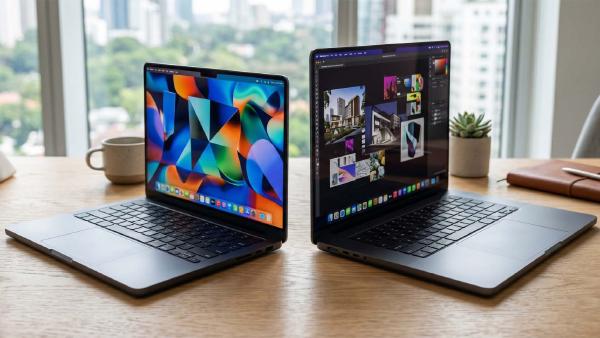
In a surprising twist of events, resellers are taking advantage of Apple’s recent price hikes by demanding additional payments from customers who had already placed orders. This situation has emerged in response to a global RAM shortage that has forced Apple to increase prices across its product lineup. As first reported by Wccftech, customers are now finding themselves in a difficult position, having to choose between paying more or potentially losing their orders entirely.
One such case involves a U.K. customer, known by their Reddit handle “sw1000,” who had fully paid for an M5 Max MacBook Pro with 128GB of unified memory on June 5. This was prior to Apple’s announcement regarding price increases. However, upon contacting the reseller KRCS, the customer was informed that they would need to pay the difference resulting from the new pricing structure. This has understandably left many feeling frustrated and unfairly treated.
The demand for additional funds from these resellers seems to be gaining traction, with other customers sharing similar experiences online. This has raised questions about consumer rights and the ethical responsibilities of resellers in situations like these. While Apple has made the decision to raise prices due to unavoidable market conditions, it appears that the resellers have interpreted this as an opportunity to maximize their profits, leaving customers caught in the crossfire.
As the situation unfolds, it remains crucial for consumers to be aware of their rights when it comes to pre-orders and purchases. Resellers typically have their own terms and conditions, but practices such as raising prices post-purchase were not clearly communicated, leading many to feel blindsided.
The incident has sparked discussions on social media, with users voicing their concerns over the lack of transparency in reseller practices. Many are calling for clearer guidelines and better communication from both Apple and the resellers to prevent similar issues from arising in the future.
For those who find themselves in a similar position, it’s advisable to reach out to consumer protection agencies or seek legal advice if they believe they are being treated unfairly. The hope is that this situation will prompt resellers to reevaluate their practices and establish a more equitable approach to pricing, especially in light of market fluctuations.
Apple’s current pricing strategy is a response to ongoing global supply chain issues, particularly a shortage in RAM components that have been affecting various tech industries. This shortage has led to increased production costs, ultimately impacting consumers. While Apple’s decision to raise prices might be a necessary business move, the subsequent actions taken by resellers raise ethical concerns that need to be addressed.
As this situation continues to develop, the outcomes will likely influence how customers view resellers and the purchasing process, particularly in the realm of high-demand tech products. Consumers deserve transparent practices and should not face unexpected financial burdens after making what they believed to be finalized purchases. The discussions surrounding these issues will hopefully lead to improved customer relations and clearer policies in the future.
Image credit: Wccftech
This article was generated with AI assistance and reviewed for accuracy.