As we move through May, it’s always a good time to take a nostalgic trip back through the annals of PC gaming history. With each passing decade, we can see how the medium has evolved, offering insights into what shaped the gaming landscape we know today. This month is no different, as first reported by PC Gamer, which shines a light on some groundbreaking titles that were making waves in May across the years.
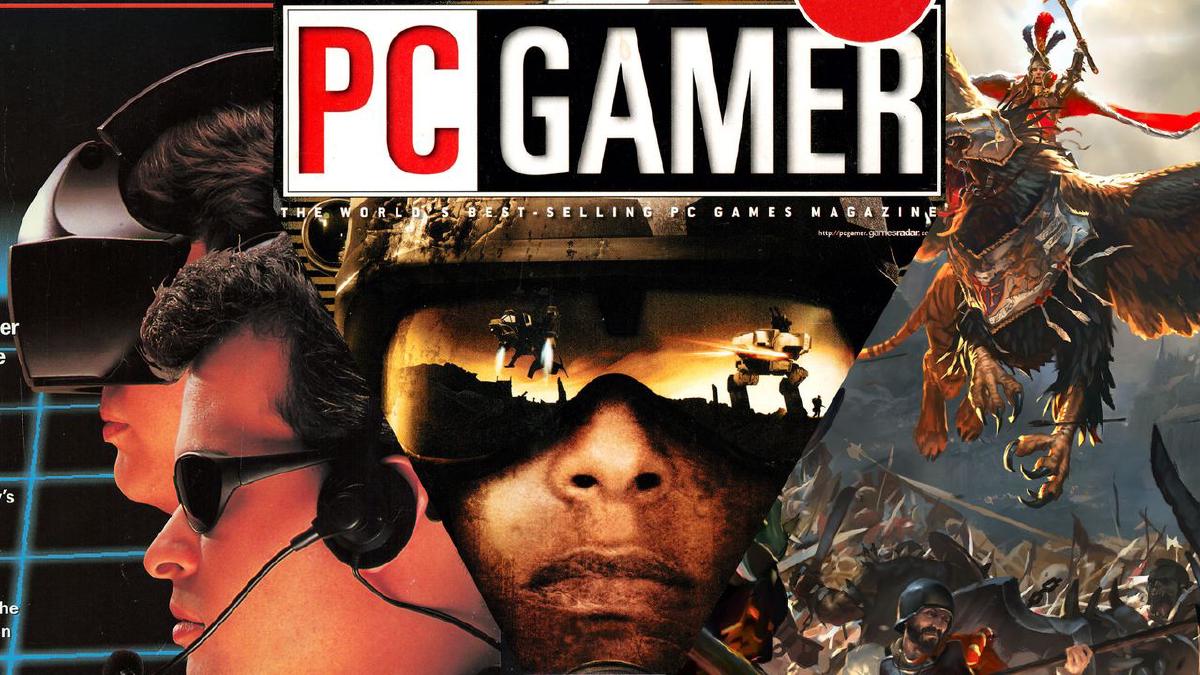
Starting with the cover of PC Gamer from May 1996, we find ourselves in an era ripe with potential for virtual reality. The fascination with VR was burgeoning, and games like “Dactyl Nightmare” were emblematic of this excitement. While the technology may not have been fully realized back then, the seeds were planted for what would eventually blossom into the immersive experiences we enjoy today. Players were captivated by the idea of stepping into a digital world, an ambition that many indie developers are embracing now, often crafting unique experiences that push the boundaries of conventional gaming.
Fast forward ten years to May 2006, and the landscape had shifted dramatically. The cover featured “Battlefield 2142”, a title that offered players a futuristic twist on the beloved Battlefield formula. Set in a world ravaged by climate change and war, it pushed the series into new territory, introducing players to massive multiplayer battles with an emphasis on teamwork and strategy. Its innovative gameplay mechanics and dynamic environments set a standard that many shooters have aspired to reach.
In this era, the community was beginning to see some vital transformations as well. Modding communities for games like “Battlefield 2142” blossomed, allowing players to create and share their own maps and scenarios, fostering a collaborative spirit that resonates deeply within indie gaming today.
Then we arrive at May 2016, where “Total War: Warhammer” took center stage. This game was a landmark moment for the Total War franchise, merging the strategic depth fans had come to love with the rich lore of the Warhammer universe. It delivered a blend of real-time tactics and turn-based strategy that captivated both veterans of the series and newcomers alike. What made this title particularly special was its dedication to community feedback, which has been a hallmark for many successful indie titles,showing that even major studios can learn from the grassroots level.
As we reflect on these three decades of gaming, it’s essential to recognize the impact of these titles not just as standalone experiences but as part of a broader dialogue within the industry. From the experimental VR of the ’90s to the expansive worlds of shooters and strategy games, these games have contributed to a rich tapestry that continues to inspire indie developers today. Emerging studios often look to their predecessors for guidance and inspiration, taking those foundational elements and weaving them into fresh narratives and gameplay experiences.
In a time where the industry is heavily populated by big-name studios and franchises, it is important to remember the roots of gaming and support smaller developers who strive to innovate. These indie studios often draw from the lessons of the past while striving to carve out their own unique spaces in an ever-evolving market. As players, we have the responsibility to celebrate both the iconic titles and the overlooked gems that deserve our attention.
Reflecting on the gaming journey from 1996 to 2016 showcases not just nostalgia but also a reminder of the transformative power of video games. By supporting indie developers and embracing innovative titles, we can ensure a vibrant future for this medium we all cherish.
Image credit: PC Gamer
This article was generated with AI assistance and reviewed for accuracy.