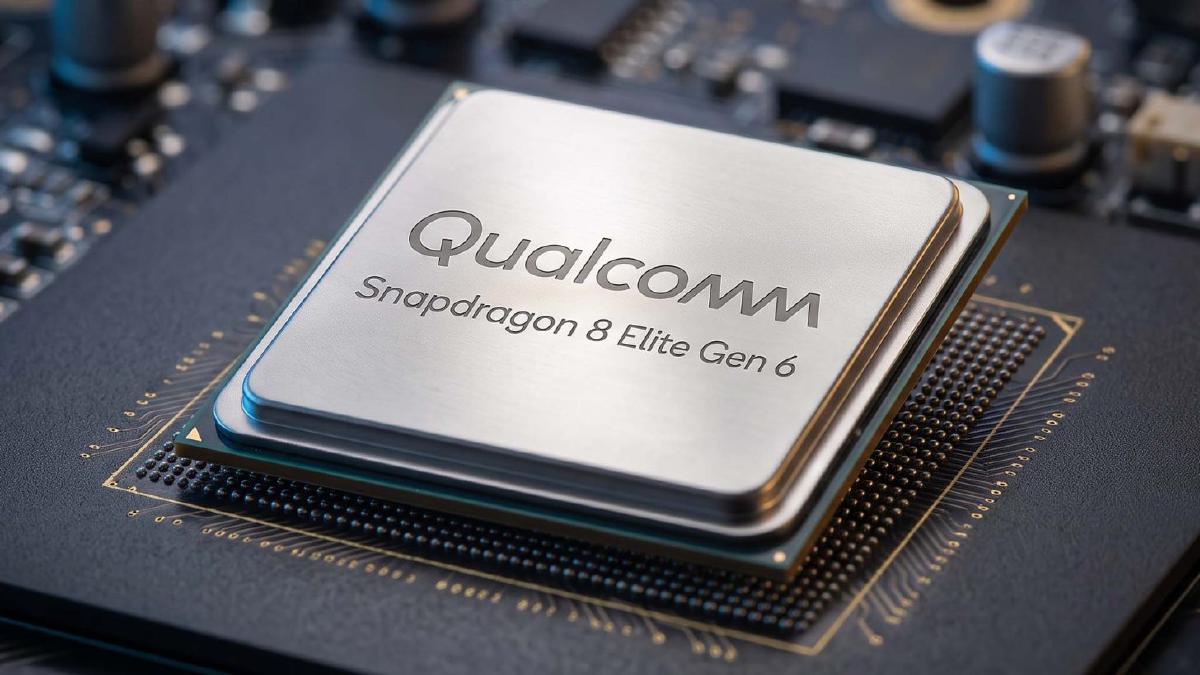
Qualcomm has officially acknowledged that its Snapdragon 8 Elite Gen 6 chipset will see an increase in price, driven by rising production costs. As first reported by Wccftech, the semiconductor giant has informed its customers that the anticipated hike will be a double-digit percentage, a decision prompted by the current market conditions affecting the tech industry.
The hike in prices is largely attributed to escalating costs associated with the production of 2nm wafers. This follows a period during which Qualcomm attempted to absorb costs rather than pass them on to consumers. However, with continued challenges in the supply chain, including a noted shortage of DRAM, the company has found it necessary to adjust its pricing strategy. The Snapdragon 8 Elite Gen 6 and its Pro variant are expected to be among the affected products, although specific details regarding other unnamed items were not disclosed.
The news of the impending price increase comes at a time when smartphone demand is notably low. With consumers holding off on upgrades and a sluggish market affecting sales, Qualcomm’s decision underscores the pressures manufacturers are facing across the board. The adjustment may also reflect broader trends within the technology sector, where rising supplier costs are becoming increasingly common.
Despite these challenges, Qualcomm remains a key player in the mobile chipset market, focusing on innovation and performance. The Snapdragon 8 Elite Gen 6 is anticipated to be a significant upgrade, featuring enhancements that are expected to improve user experience across various applications, from gaming to artificial intelligence.
With the price increase, Qualcomm may be aiming to maintain a certain quality standard for its products while ensuring that it can continue investing in research and development. This move raises questions about how the price adjustments will impact device manufacturers and, ultimately, consumers.
As Qualcomm navigates these supply chain hurdles, the long-term implications for smartphone pricing and performance are yet to be fully realized. Companies that rely on Qualcomm’s chips may need to reconsider their pricing strategies as well, which could lead to increased costs for end users.
Founded in 1985, Qualcomm is renowned for its innovations in mobile telecommunications and is a key architect of 3G, 4G, and 5G technology. The company continues to lead the market with its Snapdragon series, which powers a vast array of smartphones and devices worldwide.
Image credit: Wccftech
This article was generated with AI assistance and reviewed for accuracy.