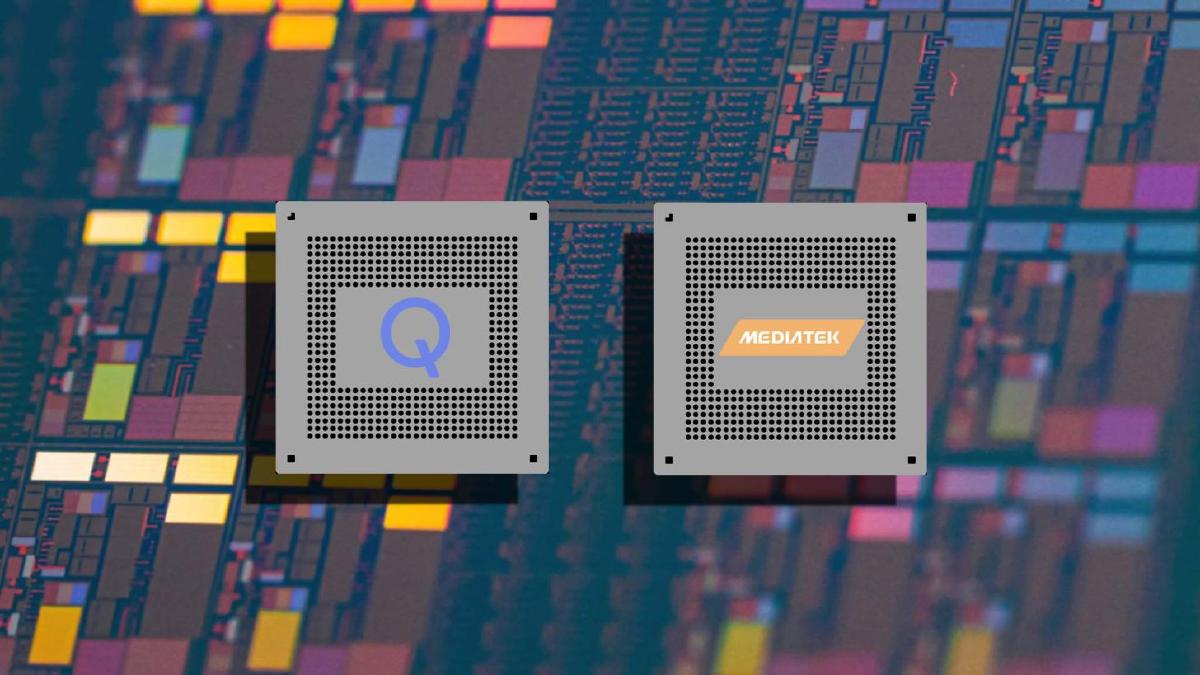
Qualcomm and MediaTek are making significant strides in the mobile chipset space with the upcoming release of their 2nm chipsets. As first reported by Wccftech, both companies are utilizing TSMC’s cutting-edge 2nm N2P process this year in an effort to close the performance gap with Apple’s A20 and A20 Pro chips. This advancement could provide a much-needed boost for Android devices, offering higher clock speeds for enhanced single-core and multi-core performance.
However, this progress comes at a price. The anticipated 2nm chipsets from Qualcomm and MediaTek are projected to be around 20 percent more expensive than the current generation of systems-on-chip (SoCs). This steep increase poses a significant risk for mass adoption among smartphone makers, who are always mindful of production costs and consumer pricing.
The competition between these tech giants is heating up as Apple’s chips continue to dominate the market with impressive performance benchmarks. Qualcomm, known for its Snapdragon processors, and MediaTek, recognized for its Dimensity series, are keen to reclaim some ground. By pushing into 2nm technology, they aim to deliver devices that can compete on speed, efficiency, and overall performance.
While the promise of higher performance is appealing, the financial implications could deter many manufacturers from swiftly integrating these new chipsets into their devices. The potential pricing increase may lead some companies to weigh the benefits against the risk of passing costs onto consumers, who are increasingly sensitive to price changes in a competitive landscape.
The move to 2nm technology represents a significant milestone in mobile processor development, but it is essential to consider how this will impact the broader ecosystem. If the costs prove too high for widespread adoption, it could lead to a scenario where only flagship models incorporate this advanced technology, leaving mid-range and budget devices behind.
The push for advancement in chipset technology reflects a broader trend in the tech industry, where companies are constantly seeking to gain an edge over their competitors. Qualcomm and MediaTek’s aggressive strategy may accelerate innovation in the mobile market, leading to devices that offer performance previously thought unattainable.
As consumers eagerly await the next generation of smartphones, it will be interesting to see how Qualcomm and MediaTek navigate the balance between performance enhancement and affordability. The industry’s response to these 2nm chipsets could shape the future of mobile technology and influence how consumers perceive value in their devices.
Both Qualcomm and MediaTek have long been key players in the smartphone chipset arena. Qualcomm, based in San Diego, has been a staple for Android manufacturers, while MediaTek, headquartered in Taiwan, has carved out a significant niche with its focus on providing cost-effective solutions. As they gear up to launch these new chipsets, the stakes are higher than ever for both companies and the smartphone makers that rely on their technology.
Image credit: Wccftech
This article was generated with AI assistance and reviewed for accuracy.