Precigenetics, a biotech company specializing in live-cell drug discovery, has recently completed a significant transaction that highlights the lucrative nature of their innovative technology. As first reported by Wccftech, the company sold 11 microfluidic environment chips for an impressive total of $2.3 million, translating to a staggering margin of over 95 percent.
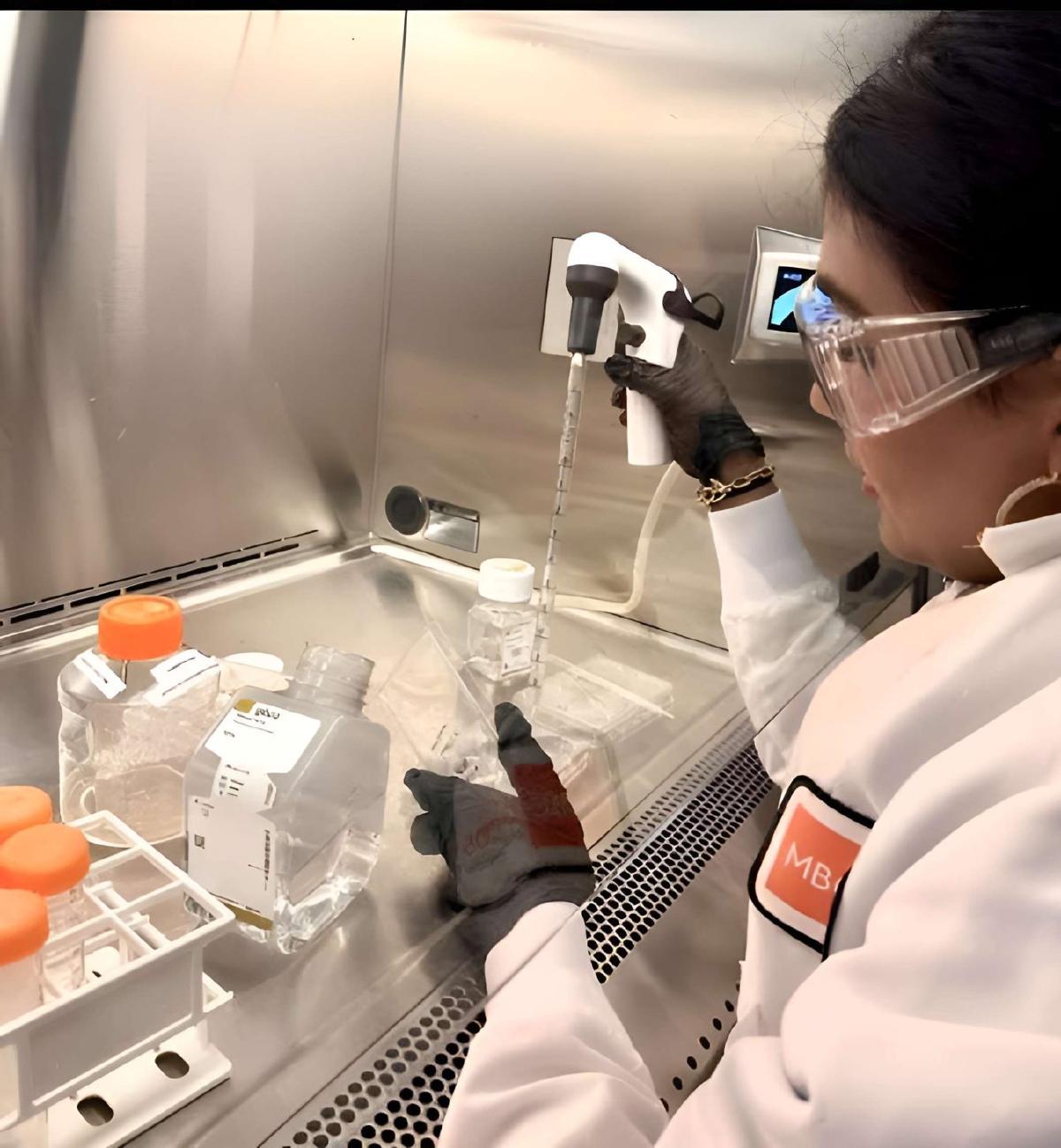
These microfluidic chips are not merely advanced pieces of technology; they represent a shift in how cellular analysis and drug discovery are conducted. While traditional methods often involve analyzing static images or sacrificing cells during testing, Precigenetics employs a cutting-edge approach using a photonic-AI platform known as Cell Cinema. This system allows for continuous imaging of live cells, providing researchers with dynamic insights into cellular behavior and interactions.
The cost of fabricating these microfluidic chips can vary significantly, ranging from approximately $30 to over $500 per unit. The premium pricing at which Precigenetics has sold their chips indicates not only the sophistication of the technology but also the substantial demand within the biotech sector. This pricing strategy has led to a discussion about the implications of such high margins in industries reliant on advanced scientific technologies.
The sale of these chips is pivotal for Precigenetics as it reflects the confidence investors and the market have in their innovative methodologies. As the demand for precise and real-time cellular analysis grows, the company’s ability to command high prices may enhance its position within the competitive landscape of biotechnology.
In the context of the broader market, this deal sheds light on the lucrative opportunities present in the intersection of AI and biotech. Companies that can innovate in these areas are likely to attract significant attention, both from investors and researchers. The ability to analyze live cells continuously offers an edge that can lead to breakthroughs in drug discovery and development.
The implications of this transaction extend beyond immediate financial gain. As Precigenetics continues to refine its technology, the potential for further advancements in understanding diseases and developing effective treatments becomes increasingly viable. The integration of AI in cellular analysis indicates a trend that may reshape how future research is conducted across various fields.
As Precigenetics prepares to leverage this recent success, it is clear that the company is not just focusing on immediate profits but also on building a foundation for future growth. Their innovative approach in drug discovery, bolstered by their proprietary technology, positions them as a significant player in the evolving biotech landscape.
Founded with a commitment to transforming live-cell analytics, Precigenetics remains focused on enhancing drug discovery processes, providing valuable insights that could lead to breakthroughs in medicine. The company’s emphasis on leveraging AI and cutting-edge technology is indicative of a broader trend within the biotech industry, where efficiency and accuracy are paramount.
Image credit: Wccftech
This article was generated with AI assistance and reviewed for accuracy.