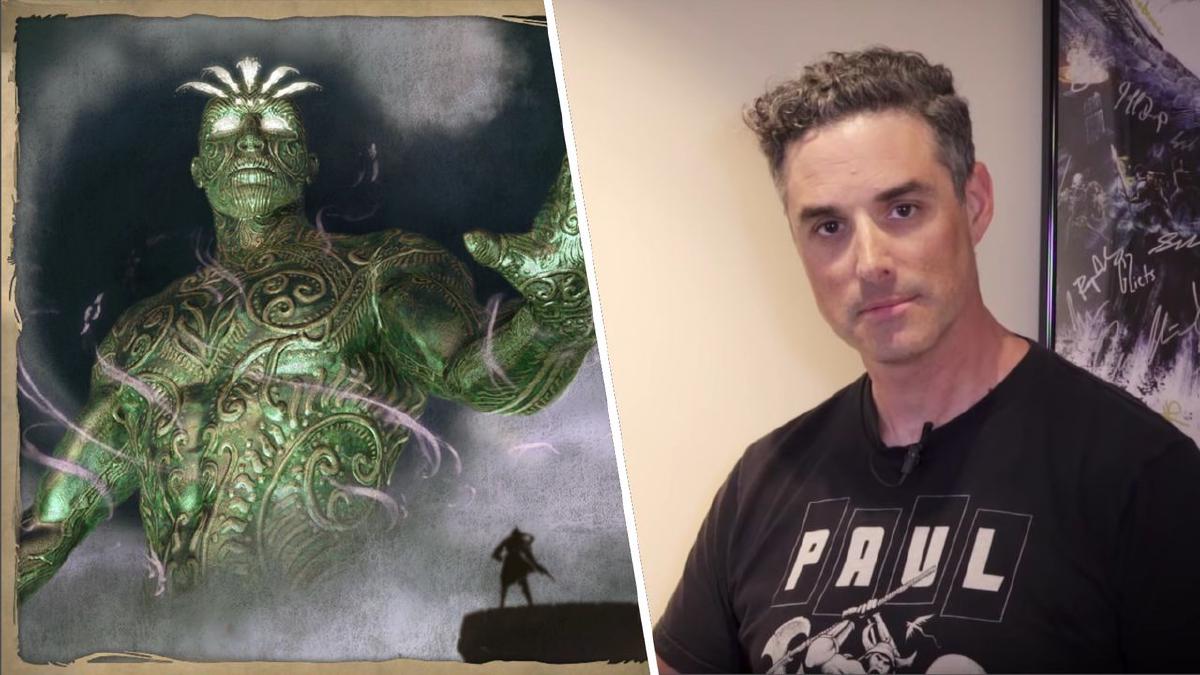
In an enlightening discussion about player expectations and design choices in role-playing games (RPGs), Josh Sawyer, the director of the acclaimed Pillars of Eternity series, emphasized the conflict between player autonomy and storytelling constraints. As first reported by PC Gamer, Sawyer’s insights reveal a nuanced understanding of what makes RPG players tick and how their expectations can challenge developers.
Sawyer pointed out that many RPG enthusiasts often believe they are “built different,” meaning they expect to have unmatched freedom in their gaming experiences. This mindset can lead to frustration when a game imposes limitations on player choices, which is a common element in narrative-driven titles like Pillars of Eternity. Players, conditioned by the genre’s open-ended nature, may react negatively when the game restricts their options to progress the story or follow a specific narrative path.
He explained that while many players enjoy exploring vast worlds and making their own choices, they also tend to grapple with emotional connections to the characters and storylines being presented. This duality can make it challenging for developers to balance the need for player agency with the desire to tell a coherent story. Sawyer’s comments shed light on the delicate line that RPG designers must walk, where the freedom of choice intersects with the narrative structure of the game.
Sawyer also addressed the challenge of player feedback, noting that the most vocal players often have strong opinions about what they want from a game. This can create a feedback loop where developers feel pressured to cater to the desires of a specific segment of the player base, potentially at the expense of the broader narrative vision. He emphasized the importance of understanding player psychology and how it plays into the success of RPGs, stating that effective game design requires not just technical skill, but also an awareness of how players perceive and interact with game worlds.
As Pillars of Eternity continues to evolve with its sequel and updates, Sawyer’s insights remain relevant. He suggests that while catering to player expectations is crucial, staying true to a game’s core design philosophy is equally important. This balance can lead to a richer gaming experience that respects both the players’ desire for freedom and the developers’ storytelling goals.
Overall, Sawyer’s reflections highlight the ongoing conversation about player agency in RPGs. As game development progresses, it is clear that understanding the complexities of player expectations will be essential for creating engaging and immersive experiences.
Pillars of Eternity, developed by Obsidian Entertainment, is a celebrated title known for its deep storytelling, complex characters, and intricate world-building. Since its release, it has garnered a dedicated fan base that appreciates its commitment to narrative depth and player agency, making Sawyer’s remarks all the more pertinent as the franchise continues to expand.
Image credit: PC Gamer
This article was generated with AI assistance and reviewed for accuracy.