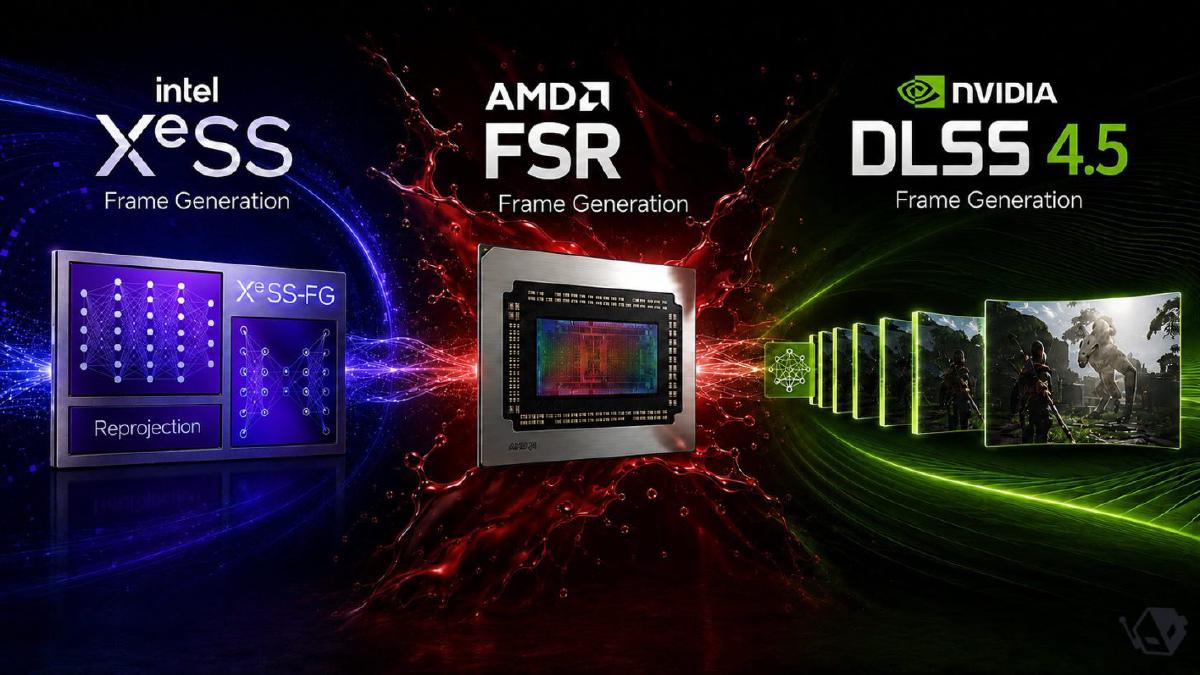
Frame generation technology has rapidly become a focal point in the conversations surrounding PC gaming performance, particularly as it relates to enhancing gameplay on high-refresh-rate monitors. As first reported by Wccftech, while these advancements from NVIDIA, AMD, and Intel offer significant benefits, their effectiveness largely depends on proper implementation and usage.
Frame generation can help smooth out demanding titles, allowing for a more fluid experience even in graphically intensive environments. However, the technology is not a universal solution for all performance issues. There are still numerous factors at play that can impact its effectiveness, including the underlying hardware and the specific game titles being run. Understanding how to leverage these technologies properly can make all the difference in achieving optimal performance settings.
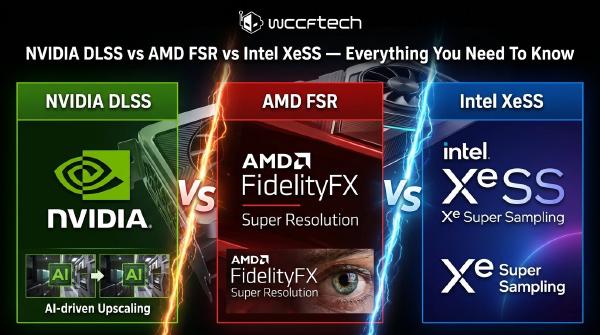
NVIDIA’s Deep Learning Super Sampling (DLSS) is perhaps the most well-known of the current frame generation technologies. By employing AI to upscale lower resolution images, DLSS can greatly improve frame rates while maintaining visual fidelity. This technology is particularly advantageous for gamers using NVIDIA’s RTX graphics cards, as they can take full advantage of the dedicated Tensor Cores designed for this purpose. However, to maximize its benefits, gamers should ensure that they are using the latest drivers and software updates, as performance improvements are regularly integrated into new releases.
Similarly, AMD’s FidelityFX Super Resolution (FSR) offers a different approach, utilizing spatial upscaling to boost frame rates without relying on AI. While it is less demanding in terms of hardware requirements, FSR performs best when paired with AMD’s own Radeon GPUs. Gamers should also be aware that FSR may not yield the same level of quality as DLSS in some instances, particularly in terms of edge smoothness and detail preservation.
On the other hand, Intel’s Xe Super Sampling (XeSS) is the latest entrant in the frame generation race. Designed to leverage Intel’s architecture, XeSS promotes cross-platform compatibility, which can be a significant advantage for gamers using mixed hardware setups. However, much like with FSR, users will need to adjust their in-game settings properly to see the best results, ensuring that the technology is activated and optimized for their specific configurations.
The conversation around frame generation also touches upon the common pitfalls that both developers and players might encounter. Improper configuration can lead to visual artifacts, screen tearing, and input lag, undermining the very benefits that these technologies aim to provide. Consequently, understanding the nuances of each system is essential for anyone looking to engage with modern gaming at a high level.
In practice, users should take the time to adjust their graphics settings to find the right balance between performance and visual quality. This often requires trial and error to identify the optimal settings for each unique title. Additionally, keeping abreast of community discussions and developer patches can provide insight into the latest tweaks and optimizations that can further enhance the gaming experience.
As frame generation continues to evolve, its role in PC gaming is likely to become more significant. By mastering these technologies, players can unlock new levels of performance and enjoy a smoother, more immersive gaming experience. With the combination of NVIDIA’s DLSS, AMD’s FSR, and Intel’s XeSS, PC gamers have powerful tools at their disposal to tackle even the most demanding titles effectively.
The rise of these technologies highlights the ongoing innovation within the gaming hardware space. As graphics cards become more advanced, gamers can expect further improvements in performance alongside enhanced visual fidelity. Understanding how to utilize these emerging tools will be key for anyone looking to get the most out of their gaming rig.
Image credit: Wccftech
This article was generated with AI assistance and reviewed for accuracy.