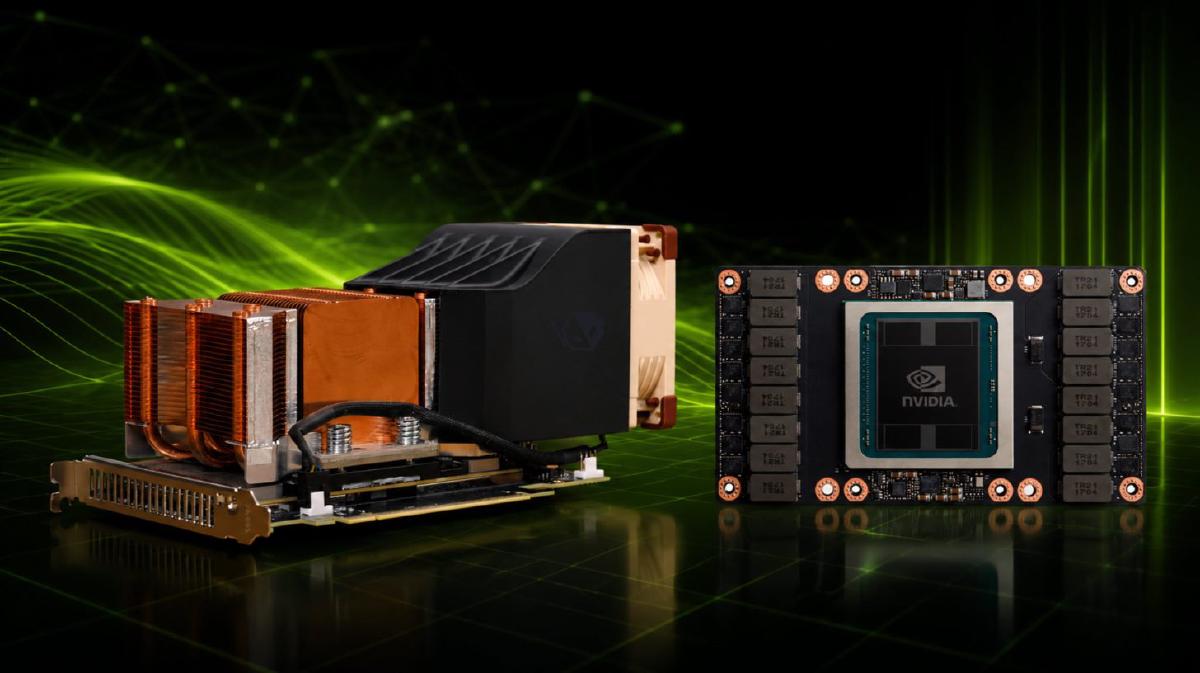
In an intriguing twist in the GPU landscape, the NVIDIA V100, an eight-year-old graphics card, is proving to be a formidable performer in AI workloads, particularly in large language models (LLMs). Priced around $100, this vintage powerhouse has outshone modern consumer cards like the RTX 3060 and RX 7800 XT in efficiency and performance, as first reported by Wccftech.
While the latest GPUs are engineered with AI capabilities in mind, the V100 is demonstrating that sometimes, older technology can rival newer iterations under specific workloads. The V100 belongs to NVIDIA’s Volta series, which was designed exclusively for data center applications and not for conventional gaming. This distinction has allowed the V100 to excel in tasks that involve heavy computational lifting, particularly in the realm of artificial intelligence.
The V100 was the first GPU to feature NVIDIA’s Tensor Core architecture, a crucial component that has become a standard in the industry for AI advancements. The Tensor Cores were specifically engineered to accelerate deep learning tasks, and it seems that the V100’s architecture continues to shine even against newer models.
The performance gap is particularly notable in tasks that require handling large datasets and complex models, where the V100’s architecture allows it to outperform its younger counterparts. While the RTX 3060 and RX 7800 XT have their strengths in gaming and graphics rendering, the V100’s design is tailored for efficiency in AI operations.
This surprising development raises questions about the rapid evolution of GPU technology and the marketing strategies that often prioritize newer models for gaming enthusiasts. As gamers and AI developers alike look for cost-effective solutions, the V100 offers a compelling alternative that defies expectations.
With the rise of AI-driven applications across various sectors, the potential for older GPUs like the V100 to find a new lease on life is becoming more apparent. Enthusiasts and professionals who may have overlooked the V100 in favor of flashier, more recent models might reconsider as they navigate budget constraints while seeking optimal performance for AI tasks.
The story of the V100 serves as a reminder that sometimes, the best tools for the job are not always the newest ones. With a price tag of just $100, this GPU is not only accessible but also delivers remarkable performance for anyone working with AI or data-heavy applications.
For those in the indie game development scene or smaller studios, this could mean a more affordable way to harness the power of AI in their projects. As the industry shifts towards increasingly sophisticated AI applications, the V100 stands as a testament to the enduring value of well-designed technology.
The NVIDIA V100, while no longer at the forefront of consumer gaming, continues to be relevant in the ever-evolving conversation about GPU performance and AI capabilities. As the landscape changes, it will be fascinating to see how developers adapt and what new innovations emerge in this exciting field.
Image credit: Wccftech
This article was generated with AI assistance and reviewed for accuracy.