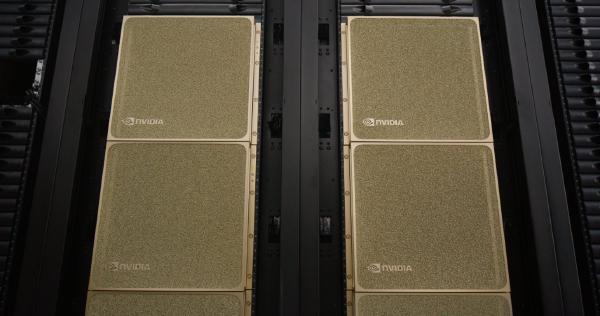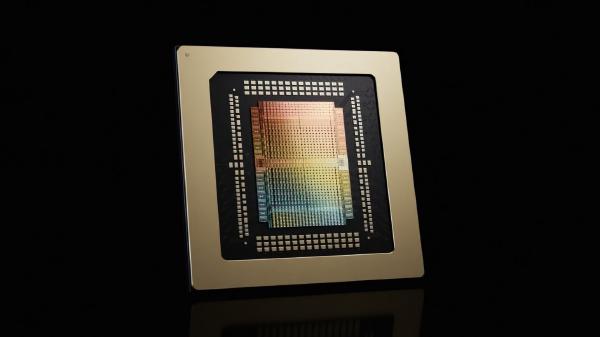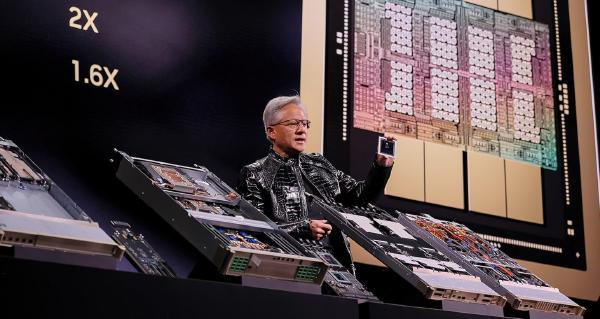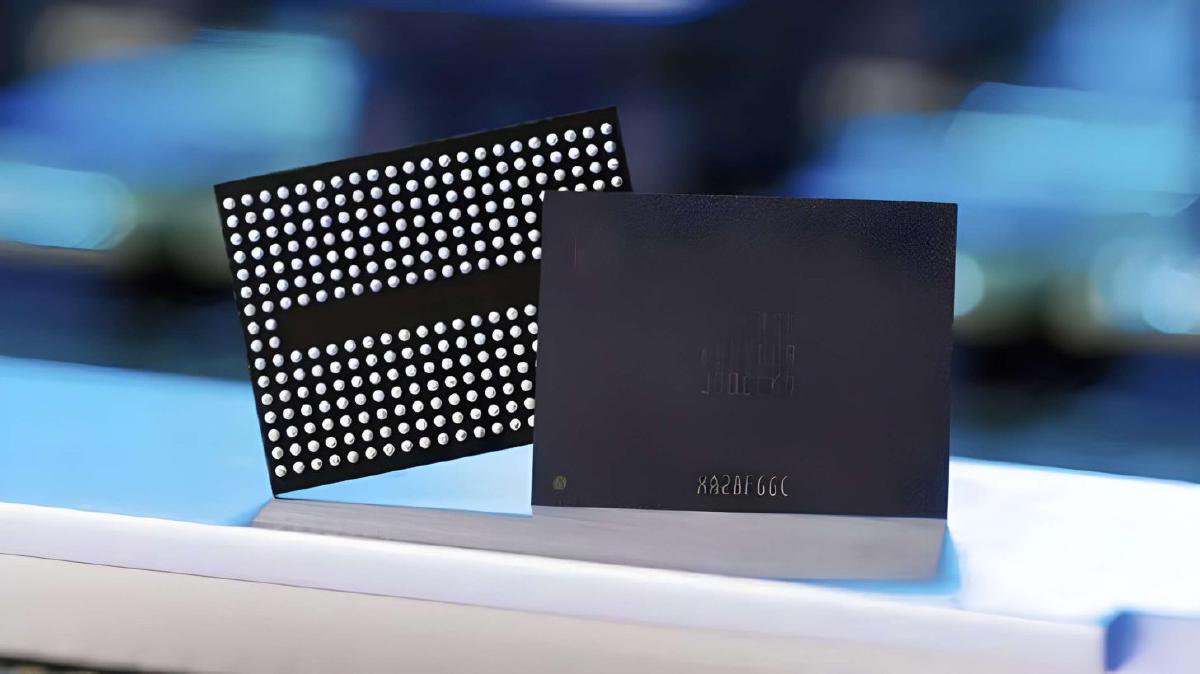
NVIDIA’s ambitious production ramp-up for its Vera Rubin platform is having unexpected effects on the supply chain, particularly in the realm of TLC NAND flash memory. As first reported by Wccftech, the demand generated by this initiative has led to a notable increase in spot prices for 512Gb TLC NAND, which has now reached $21. This marks a significant rise following a slump observed in June.
The surge in TLC NAND prices can be traced back to NVIDIA’s innovative Context Memory eXtension (CMX) technology, which is integrated into the Vera Rubin platform. As NVIDIA locks in more NAND cells for use with CMX, the availability of TLC NAND becomes increasingly constrained, thereby affecting its market price. This ripple effect serves as a reminder of how intertwined the tech industry is, particularly as companies ramp up production for growing applications like enterprise SSDs.
Enterprise SSD demand has been on the rise, driven by a variety of factors including data center expansions, cloud services growth, and an ever-increasing reliance on high-performance computing. The Vera Rubin platform, which aims to enhance AI workloads and data processing, is positioned at the forefront of this technological shift. As NVIDIA continues to expand its capabilities, the demand for the necessary components, like TLC NAND, becomes more pronounced.
The increase in spot prices reflects broader market dynamics, where supply chain disruptions can lead to rapid price fluctuations. As companies invest heavily in next-generation technologies, the competition for critical components intensifies. This situation is particularly pressing for smaller developers and independent studios that rely on accessible and affordable hardware, as rising prices can impact their ability to innovate and compete.
While the Vera Rubin platform showcases NVIDIA’s commitment to pushing boundaries in AI and data processes, it also highlights the challenges posed by component shortages. As larger corporations ramp up production, smaller entities in the ecosystem may find themselves feeling the pinch, which could stifle creativity and diversity in the tech landscape.
NVIDIA’s actions in the TLC NAND market are a fascinating case study in how interconnected the tech world has become. As the race for technological advancement continues, the effects of these trends will ultimately shape the market, influencing everything from pricing strategies to product availability.
NVIDIA has garnered a reputation for its pioneering work in graphics and AI technology, and the Vera Rubin platform is no exception. With its focus on improving performance and efficiency for demanding applications, NVIDIA aims to cement its position as a leader in the sector. As the company continues to innovate, the impacts on various supply chains, including NAND memory, will be critical to watch, especially for smaller players trying to carve out their own niches in an increasingly competitive environment.
Image credit: Wccftech
This article was generated with AI assistance and reviewed for accuracy.