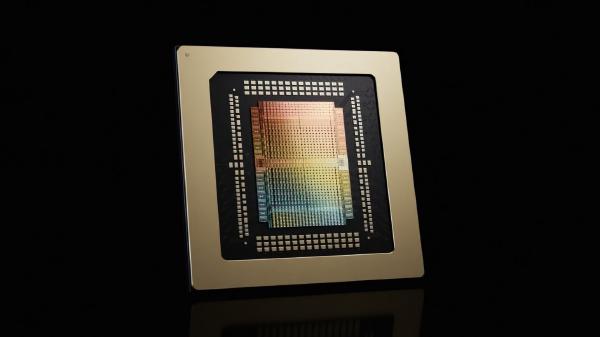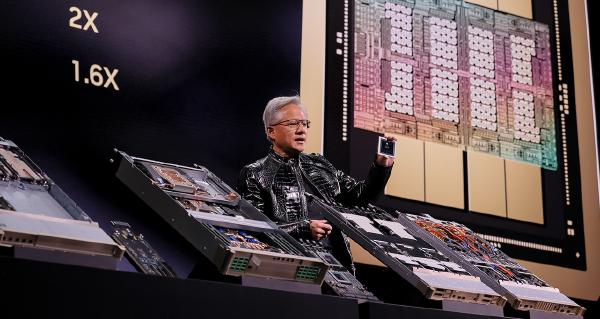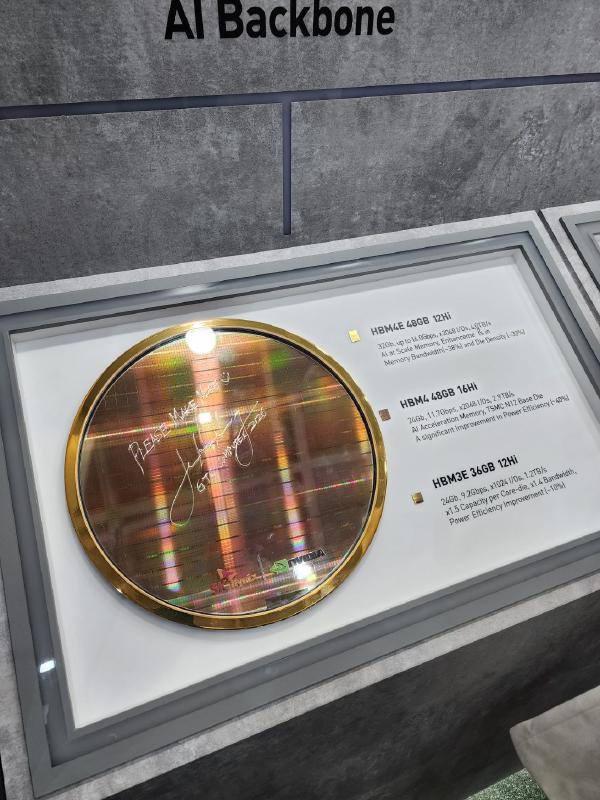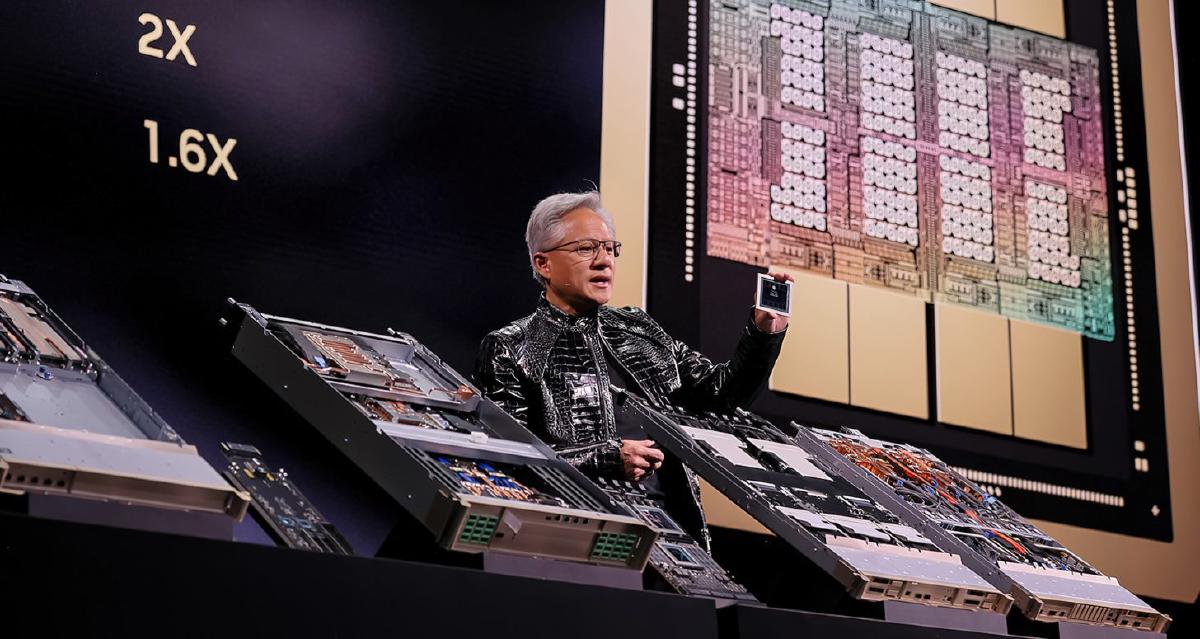
NVIDIA is set to scale up its Vera Rubin AI data centers, and the financial implications are staggering. Recent analysis published by Wccftech reveals that constructing these advanced data centers could cost an average of nearly $50 billion for each gigawatt of power. This presents a substantial jump in both investment and operational costs for cloud providers integrating Vera Rubin technology.
As NVIDIA rolls out the first systems to key cloud partners for validation and testing, it appears that the Vera Rubin systems are poised to surpass the success of previous architectures, such as Blackwell. However, these advancements come with significant financial challenges, particularly in terms of energy consumption, which is projected to reach approximately $1.3 billion annually for each installation.
The Vera Rubin architecture is an integral part of NVIDIA’s strategy to enhance capabilities in artificial intelligence, specifically designed to support the growing demand for AI applications. This architecture aims to deliver superior performance in data processing and machine learning tasks, making it attractive for large-scale cloud deployments.
Nevertheless, the financial burden linked to these data centers is a critical consideration for potential users. The stark cost estimates associated with power usage highlight the increasing operational expenses that come with maintaining advanced AI infrastructures. This trend is reflective of the broader industry movement towards more power-hungry AI solutions, which demand not only cutting-edge hardware but also significant energy resources.
The urgency for efficient and sustainable energy solutions is paramount as NVIDIA prepares for a wider rollout of Vera Rubin. Companies looking to harness AI capabilities will need to factor in these escalating costs when assessing their infrastructure needs. The projected annual power expenses pose a challenge not only for budgeting but also for environmental sustainability concerns.
Furthermore, Foxconn’s involvement in estimating these costs underscores the focus on scaling production and efficiency. As a major manufacturing partner for NVIDIA, Foxconn is well-positioned to provide insights into the logistical and financial aspects of building these next-generation data centers.
The Vera Rubin systems are designed to support a variety of applications beyond traditional computing tasks. This includes advanced machine learning, data analysis, and AI-driven decision-making processes that can how sectors such as finance, healthcare, and even gaming operate. As cloud usage continues to proliferate, the implications of these costs will resonate throughout multiple industries.
In summary, while NVIDIA’s Vera Rubin architecture stands to enhance the capabilities of AI data centers significantly, the associated costs and energy demands present a formidable barrier for adoption. As the first systems continue to roll out, stakeholders must carefully evaluate the financial and operational impacts of integrating such advanced technology into their infrastructures.
NVIDIA, founded in 1993, is a leader in visual computing and accelerated AI, pushing the boundaries in gaming, data science, and GPU technology. The introduction of Vera Rubin marks a pivotal moment in their pursuit of next-generation AI capabilities.
Image credit: Wccftech
This article was generated with AI assistance and reviewed for accuracy.