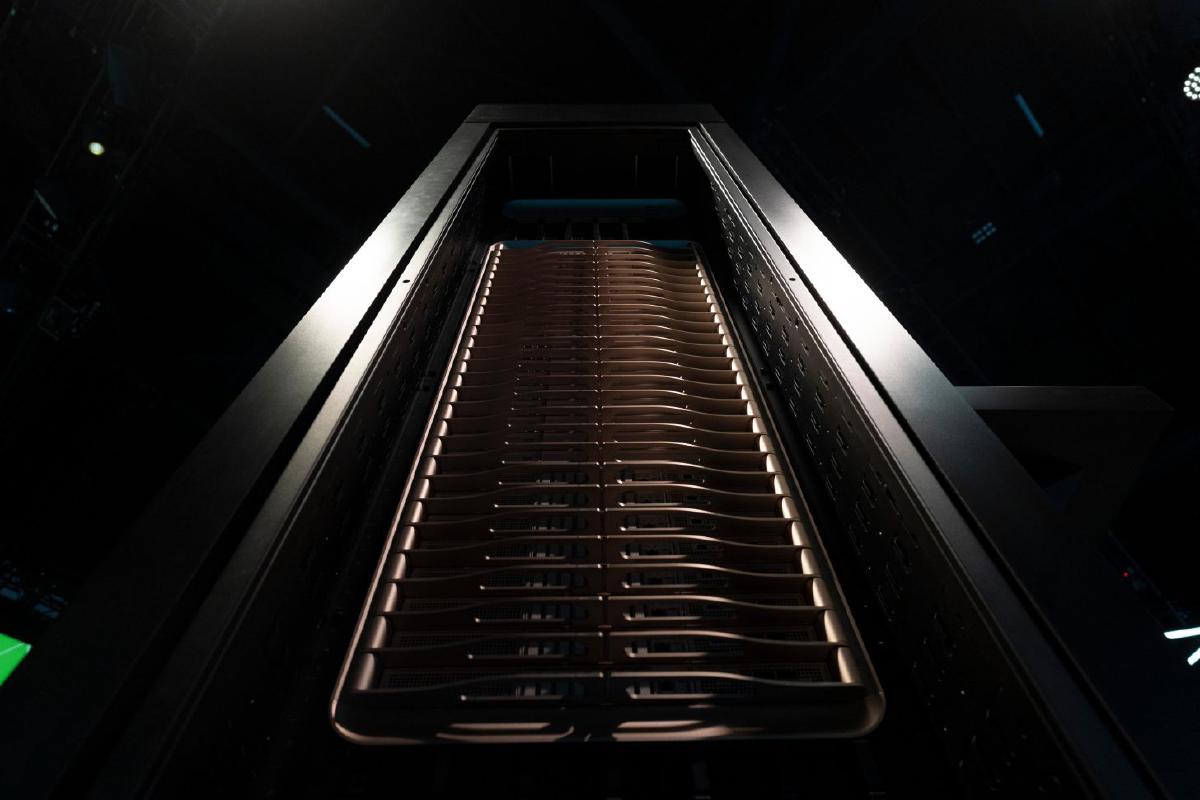
NVIDIA’s upcoming Rubin and Rubin Ultra server lines are set to break records in pricing, with estimates suggesting a staggering cost of $21 million per unit. As first reported by Wccftech, a significant portion of this expense is attributed to the rising costs of memory, particularly the new HBM4e technology.
The prices for these next-generation servers represent a dramatic increase compared to the previous Blackwell series. According to research from BofA Global, the Rubin servers will not only exceed Blackwell costs, but they may also redefine what’s considered standard in server pricing. The Rubin Ultra is expected to be especially costly, with memory alone inflating prices by an estimated $1.5 million per unit.
A closer look at the pricing structure reveals that the skyrocketing costs of HBM (High Bandwidth Memory) and DRAM (Dynamic Random Access Memory) components are leading to this unprecedented hike. In an industry where budgets have already stretched thin, this new pricing dynamic may impact various sectors that rely on high-performance computing.
The implications of these costs extend beyond just NVIDIA. Companies and developers looking to invest in state-of-the-art technology might find it increasingly challenging to allocate funds for these servers. As the demand for advanced technology in fields such as AI, data processing, and gaming rises, the financial barriers presented by these server prices could lead to a reevaluation of tech budgets across the board.
NVIDIA has become a leader in the server market, particularly in sectors that require immense computing power. The company’s innovations, especially in GPU technology, have driven substantial demand for their products. However, the Rubin series marks a new chapter, as the focus shifts to the costs associated with cutting-edge memory technology. The high prices could also limit access for smaller developers and businesses, which often compete on tighter budgets.
As NVIDIA prepares to roll out the Rubin series, the tech community is left pondering the future of server pricing and how it will affect the landscape of computing. Will this lead to innovation stalling for smaller developers who can’t keep up? Or could it push them to seek alternative solutions, thereby fostering a more diverse technology ecosystem?
For gamers, the potential fallout from these costs might not be immediately apparent. However, as game studios increasingly rely on powerful servers for online gaming and cloud services, the ripple effects could influence everything from game development timelines to the features available in future titles.
The high costs of memory and servers could lead to more significant investments in technology research and development, but it may also trigger a competitive shift in which only the largest players can afford the latest equipment. This dynamic could reshape the tech landscape, prompting smaller companies to explore innovative, cost-effective solutions.
In the world of gaming, where studios are constantly pushing the boundaries of what’s possible, the introduction of the Rubin Ultra servers signifies both an opportunity and a challenge. As developers navigate this new pricing reality, the focus may shift to creativity and innovation as they find ways to leverage technology without breaking the bank.
NVIDIA, founded in 1993, has long been a pivotal player in the graphics processing unit market. The company’s latest Rubin series of servers promises to leverage cutting-edge technology, but the financial implications may well be felt throughout the industry.
As we await more details on the Rubin Ultra servers, one thing is certain: the tech landscape is on the brink of a significant transformation.
Image credit: Wccftech
This article was generated with AI assistance and reviewed for accuracy.