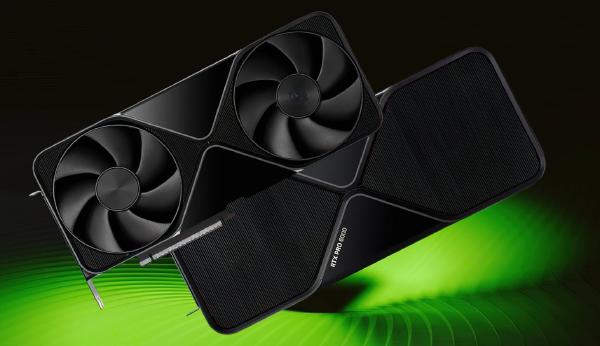
NVIDIA is set to expand its graphics card lineup with the upcoming RTX Spark series, which will offer two distinct variants tailored for different performance needs. As first reported by Wccftech, recent insights gleaned from the latest Windows 11 drivers reveal key specifications, including CUDA core counts for both models.
The more powerful variant of the RTX Spark will be equipped with an impressive 6,144 CUDA cores. This configuration is expected to offer significant enhancements in graphical performance, particularly for demanding applications such as gaming and content creation. Alongside this high-end GPU, the top model will also feature a 20-core CPU, promising to deliver robust processing capabilities that pair well with the high core count.
On the other hand, the entry-level RTX Spark variant will come with 5,120 CUDA cores and is likely to be paired with an 18-core CPU. Although it will not match the sheer power of its more expensive counterpart, this model will still provide a substantial performance boost over previous generations, making it an attractive option for gamers and creators on a budget.
The introduction of the RTX Spark series is part of NVIDIA’s ongoing strategy to cater to a wide range of user preferences and performance requirements. By offering two differentiated models, NVIDIA aims to capture a larger segment of the market, accommodating both high-end enthusiasts and more cost-conscious consumers.
Moreover, the first GeForce graphics driver specifically for the RTX Spark has been released, designated as version 616.00. This marks a significant step forward in NVIDIA’s development process and signals that the company is gearing up for a launch in the near future.
As the gaming landscape continues to evolve, the demand for higher performance GPUs has never been greater. NVIDIA’s strategic approach with the RTX Spark series reflects this, addressing the diverse needs of gamers, streamers, and professional content creators. The inclusion of multiple variants means that users can select the model that best fits their computing requirements and budget constraints.
In terms of architectural advancements, the Blackwell GPU architecture, paired with these CPUs, is expected to improve power efficiency and overall performance, further setting the RTX Spark apart in a competitive market. Enthusiasts will be keen to see how these new models stack up against both NVIDIA’s existing offerings and rival products from AMD and other manufacturers.
With the graphics card market still facing supply challenges and high demand, the launch of the RTX Spark series will likely generate significant interest among consumers. NVIDIA’s ability to combine powerful specifications with a varied product range could prove pivotal in maintaining its position as a leader in GPU technology.
NVIDIA has a long-standing reputation for pushing the boundaries of performance and innovation in the graphics card market. The RTX Spark series, with its advanced specifications and dual-variant approach, looks to continue this legacy, making it a critical development for gamers and professionals alike. As more information becomes available, anticipation will undoubtedly grow leading up to the official launch.
Image credit: Wccftech
This article was generated with AI assistance and reviewed for accuracy.