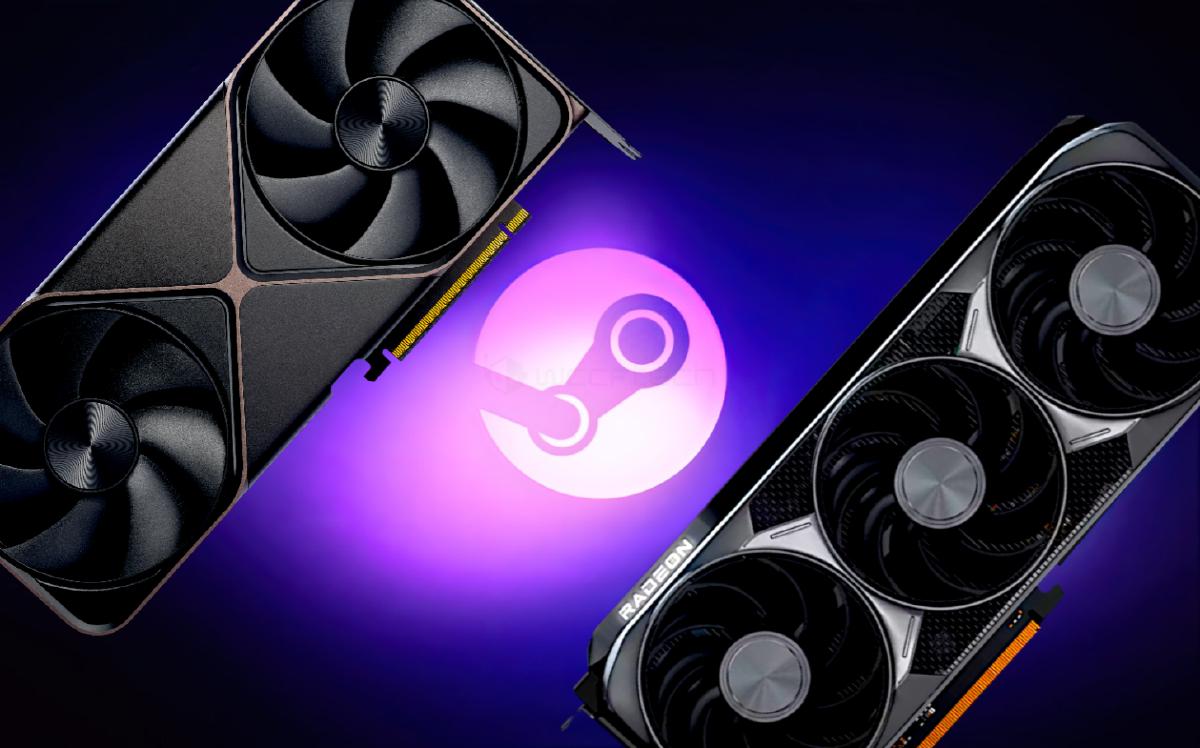
After a prolonged absence, NVIDIA’s entry-level RTX 5050 has finally made its appearance in the Steam Hardware Survey, signaling its debut among the RTX 50 series GPUs. This listing comes as NVIDIA continues to push its lineup, even as it faces increasing competition from AMD’s RDNA architecture.
As first reported by Wccftech, the RTX 5050’s inclusion in the Steam database is notable not just for its release but also for the context of its performance relative to peers. Launched in mid-2025, the GPU had been noticeably absent from previous surveys, leaving gamers and analysts speculating about its standing in the market. With both desktop and laptop variants now listed, the RTX 5050 is positioned to cater to budget-conscious gamers looking for reliable performance.
The RTX 5050’s arrival corresponds with a broader trend in GPU specifications. The survey data indicates that GPUs with 16 GB of VRAM are becoming increasingly popular, edging closer to the use of 8 GB options. This shift points to a growing demand for higher memory capacity among gamers who are pushing for better performance in increasingly demanding titles.
However, the RTX 5050 is not the only player in this segment. AMD’s RDNA 4 architecture has made significant inroads, with its lone entry outperforming NVIDIA’s latest offering in certain benchmarks. This rivalry highlights the fierce competition between the two firms as they vie for market share in the entry-level segment. AMD has been steadily gaining traction with its graphics cards, offering compelling performance metrics that appeal to a wide range of players.
The impact of this competition is not purely academic. For gamers, it translates into more options at various price points. The RTX 5050 aims to deliver solid performance for 1080p gaming and some light 1440p capabilities, while AMD’s RDNA 4 promises efficient power consumption with competitive frame rates. How these GPUs stack up in real-world performance and user experiences will be crucial for gamers evaluating their next upgrade.
Looking ahead, NVIDIA’s strategy with the RTX 5050 may influence its positioning in the gaming ecosystem. As developers continue to push the envelope with demanding graphical fidelity, the importance of VRAM capacity and power efficiency will only increase. The response from the gaming audience will be a crucial indicator of whether NVIDIA can reclaim its foothold over AMD in this segment.
In summary, while the RTX 5050 has finally made its official appearance in the Steam Hardware Survey, it faces a challenging landscape dominated by AMD’s RDNA 4 architecture. As both companies continue to innovate, gamers can expect an ongoing evolution in the hardware space that prioritizes performance and efficiency.
NVIDIA, known for its cutting-edge graphics technology, has been a dominant player in the GPU market for years. The RTX 50 series represents its latest attempt to cater to the increasing demand for both performance and affordability in gaming hardware.
Image credit: Wccftech
This article was generated with AI assistance and reviewed for accuracy.