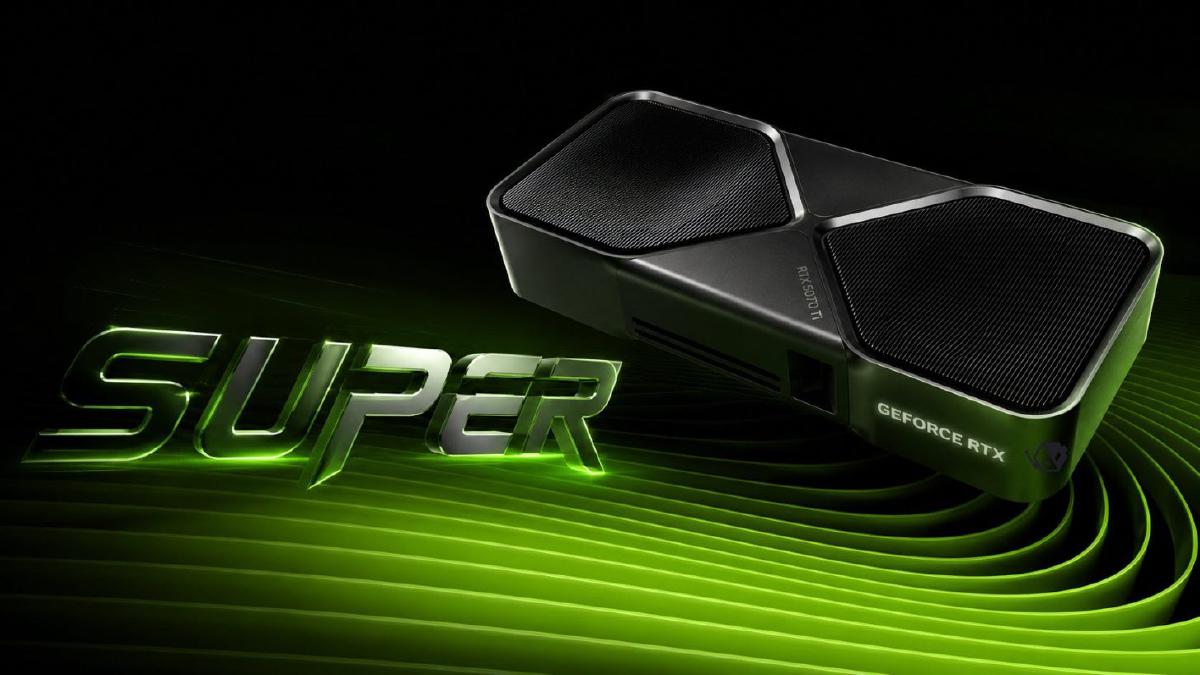
NVIDIA’s anticipated RTX 50 Super graphics cards have reached at least one of its board partners, yet they are currently on hold due to unresolved pricing issues with GDDR7 memory. As reported first by Wccftech, this development suggests that while the Blackwell series is ready for rollout, market dynamics surrounding memory costs have prompted NVIDIA to pause the sale of these GPUs.
The RTX 50 Super cards represent a significant potential upgrade for gamers looking to enhance their PC setups. These GPUs are designed to deliver superior performance and efficiency, keeping gamers at the cutting edge of graphics technology. However, the situation around memory pricing has complicated the launch process. The shift to GDDR7 memory, while promising in terms of speed and bandwidth, has led to concerns about its affordability.
Industry insiders have indicated that NVIDIA had initially planned to release these cards sooner, but the high costs associated with GDDR7 memory have caused delays. This is not the first time that memory pricing has affected the timeline of a major GPU release. In recent years, fluctuating prices for components have created uncertainty for both manufacturers and consumers.
NVIDIA is known for its aggressive market strategies, and this hold on the RTX 50 Super GPUs raises questions about how the company will navigate these challenges. As gamers eagerly await the chance to upgrade their graphics capabilities, the delay could have implications for sales and competition in the GPU market.
The decision to pause the rollout may also reflect a broader trend in the industry, where manufacturers are grappling with high costs and supply chain issues. This has been a recurring theme throughout the tech landscape, affecting everything from gaming consoles to PCs.
NVIDIA’s RTX 50 Super series is expected to introduce advancements that could set new benchmarks for performance in gaming and content creation. The excitement surrounding these GPUs highlights the community’s desire for innovation, but the ongoing uncertainty regarding pricing could dampen that enthusiasm.
As NVIDIA weighs its options, consumers are left wondering when they will finally see the full launch of the RTX 50 Super cards. For those eager to push the boundaries of their gaming experiences, the wait may feel long, but it could ultimately lead to better value as NVIDIA fine-tunes its strategy in response to market conditions.
Gamers keep a close eye on developments from NVIDIA, especially following the company’s history of impactful releases that have shaped the gaming landscape. The RTX 50 Super series is shaping up to be a potential highlight of the upcoming hardware cycle, but how pricing and supply chain challenges will influence its availability.
NVIDIA, based in Santa Clara, California, has been a leader in graphics processing technology for decades. Known for its innovation, the company continues to push the envelope of what is possible in gaming and visualization.
Image credit: Wccftech
This article was generated with AI assistance and reviewed for accuracy.