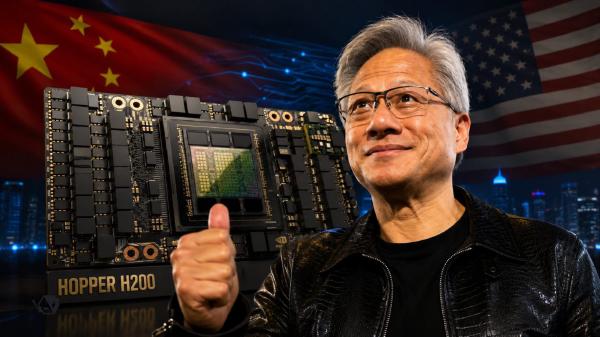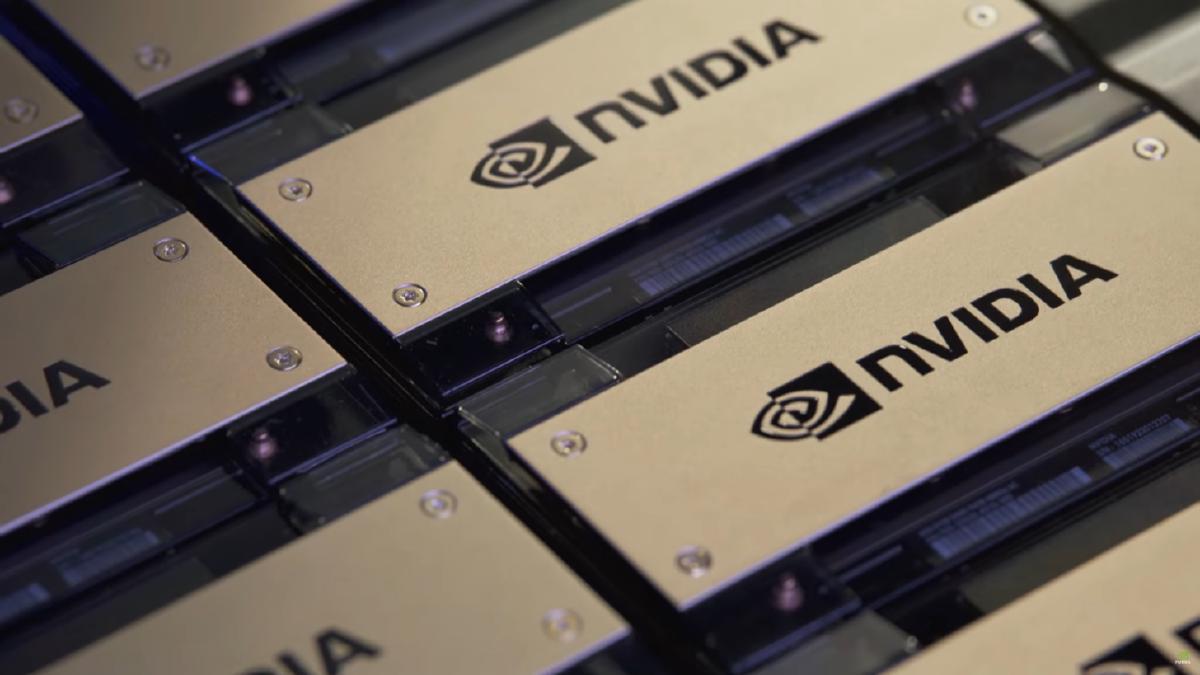
NVIDIA’s H200 AI GPUs have officially started shipping to China, as confirmed by U.S. officials. This development marks a significant shift in the landscape of AI hardware in the region, especially following a series of trade restrictions that had previously hindered NVIDIA’s ability to export advanced technology.
The arrival of the H200 GPUs comes two months after a notable summit between U.S. President Joe Biden and Chinese President Xi Jinping. The meeting was expected to influence trade and technology discussions, and it appears to have had a tangible impact on NVIDIA’s operations. As first reported by Wccftech, this shipment signifies a relaxation of the stringent export limitations that have characterized U.S.-China tech trade.
The NVIDIA Hopper series, particularly the H200, has endured a tumultuous journey since its initial launch. When the Hopper architecture was unveiled, it was met with existing U.S. export restrictions aimed at the Chinese market. Consequently, NVIDIA was forced to create a modified version named the H20, which complied with export regulations. While the H20 was a considerably reduced offering compared to its full-fledged counterpart, it still managed to provide a competitive alternative to domestically manufactured chips in China.
The return of the H200 GPUs is crucial for Chinese AI firms that rely on advanced hardware to power their operations. NVIDIA’s GPUs have been instrumental in various AI applications, from machine learning to data analysis, and their absence from the Chinese market has left a gap that local manufacturers have struggled to fill.
China’s softened stance on NVIDIA’s products, as evidenced by the recent shipments, could signal a thawing of tensions in the tech sector. It raises questions about the future of AI and semiconductor collaboration between the two superpowers. The implications of these developments extend beyond just hardware availability; they could potentially influence the direction of AI research and development in both countries.
As companies like NVIDIA and other tech giants navigate the complexities of international trade, the landscape of AI infrastructure is likely to evolve. With the demand for high-performance GPUs expected to surge as AI applications proliferate, the return of the H200 may set off a new wave of innovation within Chinese tech firms.
The competitive pressure on NVIDIA may also lead to increased investments and advancements in the domestic semiconductor industry in China. As the geopolitical landscape continues to shift, the ramifications of these shipments will be closely monitored by industry analysts and policymakers alike.
NVIDIA, founded in 1993, is a leader in GPU technology and has significantly influenced gaming, professional visualization, data center, and automotive markets. The company has always been at the forefront of AI and deep learning, making its products essential for enterprises looking to harness the power of artificial intelligence. The H200 represents a critical component of NVIDIA’s strategy to maintain its leading position in the rapidly evolving tech landscape.
Image credit: Wccftech
This article was generated with AI assistance and reviewed for accuracy.