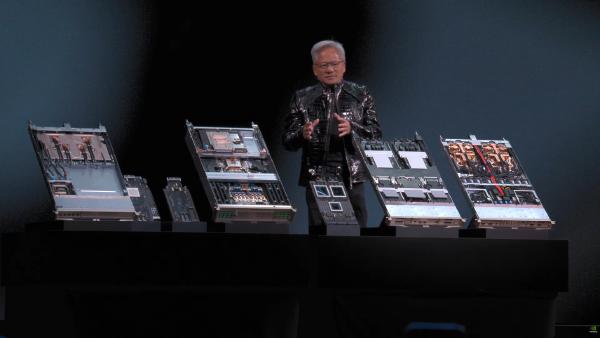
NVIDIA recently highlighted its innovative Neural Texture Compression (NTC) technique during a session at the GTC 2026 conference, demonstrating its potential to significantly reduce the demands on video memory (VRAM) while maintaining or even enhancing visual quality. This announcement is particularly relevant for developers and gamers looking for ways to optimize performance without compromising on graphics fidelity.
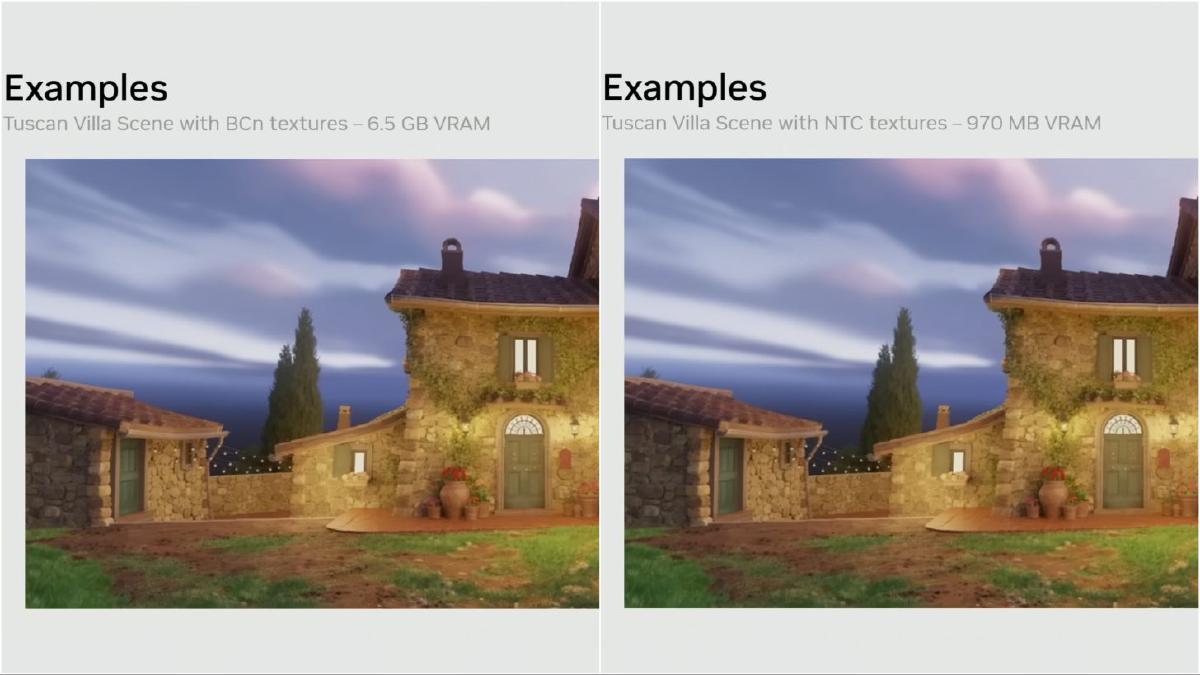
According to Senior DevTech Engineer Alexey Bekin, NTC utilizes a machine learning approach to improve texture storage efficiency. Rather than requiring each texel to be stored individually, NTC compresses textures into compact, learned latent representations. This method can lead to a dramatic reduction in VRAM usage,up to 85 percent,allowing developers to allocate resources more effectively.
Though NTC was first introduced nearly three years ago and has been available via an SDK since early 2026, it appears that adoption among game developers has been slow. This latest presentation serves as an opportunity for NVIDIA to reiterate the advantages of NTC and encourage its integration into future projects. As first reported by Wccftech, the company emphasized that leveraging this technology could offer studios a way to enhance textures without the accompanying costs of increased memory usage.
NTC’s implications extend beyond simple memory savings. By enabling developers to either save on hardware costs or allocate resources toward higher-quality assets, the technique presents a compelling case for studios looking to push the graphical envelope. The ability to maintain high fidelity without exhausting system resources can lead to better performing games across a range of hardware, making it an enticing option for both AAA titles and indie projects.
The benefits of adopting NTC could resonate throughout the industry, particularly as gaming hardware continues to advance. With the growing demand for high-resolution textures and more detailed environments, any technology that facilitates these improvements while managing resource use effectively is likely to attract interest. NVIDIA’s push to promote NTC at this year’s GTC indicates its commitment to helping studios harness the power of machine learning to enhance their creative processes.
While the technical merits of NTC are clear, its successful implementation will depend on developer buy-in and practical applications in upcoming games. As the gaming landscape evolves, tools like Neural Texture Compression could become essential for developers seeking to deliver rich, immersive experiences without overstretching the capabilities of current hardware.
NVIDIA’s advancements in rendering technology underscore its role as a leader in the graphics space, especially with the rise of machine learning applications. As studios begin to explore NTC, the potential for innovative visual storytelling in upcoming titles may be significantly enhanced, paving the way for more dynamic and visually engaging gaming experiences.
NVIDIA has established itself as a powerhouse in graphics processing technology, providing solutions that have set benchmarks for performance and quality in gaming. With its ongoing research and development efforts, the company continues to push the envelope, making strides that could shape the future of how games are developed and experienced.
Image credit: Wccftech
This article was generated with AI assistance and reviewed for accuracy.