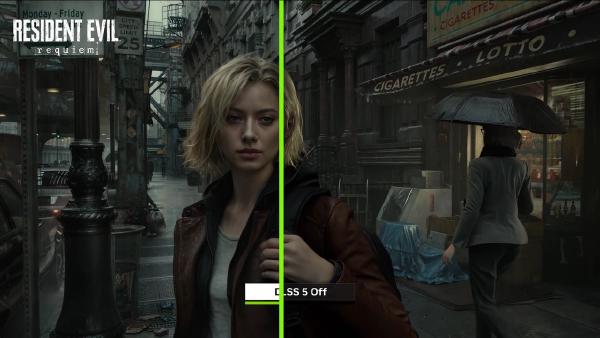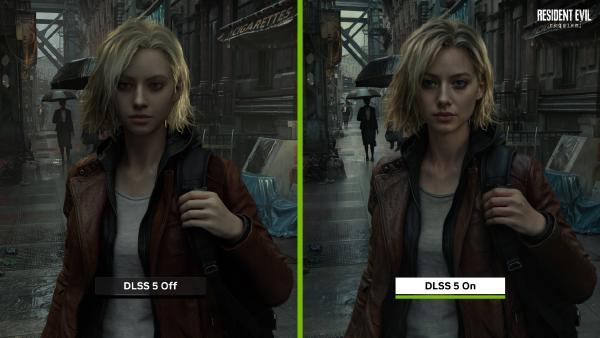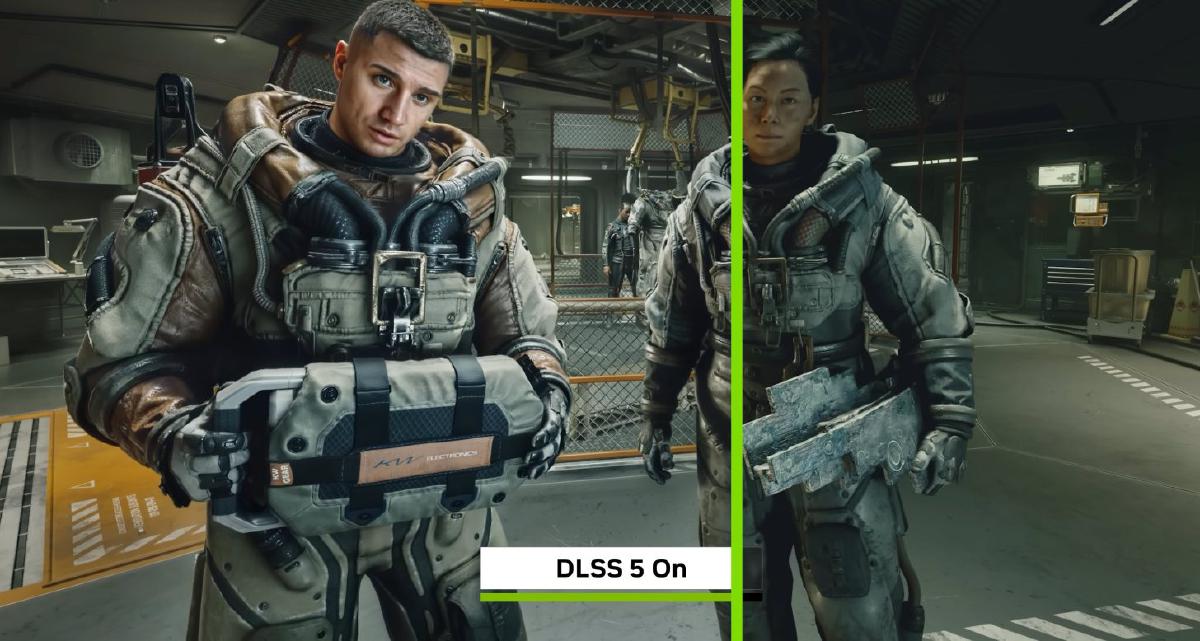
NVIDIA has formally announced the details of its latest technology, DLSS 5, which promises to elevate gaming visuals while fully respecting the creative vision of game developers. As first reported by Wccftech, the new system employs Neural Rendering capabilities to provide a significant boost in visual fidelity, setting new standards for graphical quality in video games.
The launch will support a range of NVIDIA GPUs, with a particular focus on optimizing performance for single-GPU setups. This is a key consideration for many gamers who may not have the luxury of multi-GPU systems. NVIDIA’s commitment to maintaining the integrity of artistic intent is especially noteworthy, as increasingly seeks ways to enhance immersion without compromising the unique styles and stories that developers strive to convey.
One of the standout features of DLSS 5 is its ability to analyze and interpret the intentions behind a game’s art style. Instead of merely upscaling images or providing a generic visual enhancement, DLSS 5 incorporates advanced algorithms designed to align closely with the original artistic direction. This means that players can expect a more authentic representation of the worlds, characters, and environments crafted by indie developers and established studios alike.
The reception to the initial reveal has sparked a mix of enthusiasm and skepticism. Some players have raised concerns regarding how the technology will perform in practice, especially when comparing the showcased scenes with real-world gameplay. However, NVIDIA appears committed to addressing these questions, ensuring that the technology not only dazzles but also meets the expectations of gamers and artists alike.
As the gaming landscape continues to evolve, technologies like DLSS 5 play a crucial role in bridging the gap between artistic vision and technical capability. It stands to reason that indie developers, who often operate on limited budgets and resources, could significantly benefit from tools that elevate their work without sacrificing their creative vision.
The announcement of DLSS 5 not only marks a significant milestone for NVIDIA but also opens up new opportunities for developers looking to push the boundaries of visual storytelling in games. The technology is set to launch alongside upcoming titles, and early adopters are keenly awaiting to see how it integrates into their favorite games.
NVIDIA has always positioned itself as a champion of innovation in gaming, and with DLSS 5, they seem poised to lead the charge toward a future where artistic integrity and cutting-edge technology can coexist in harmony. As we look ahead, it will be fascinating to observe how this new tool influences the design choices of both indie and AAA studios.
In the world of gaming, where visuals often dictate the player experience, DLSS 5 could very well be a turning point that empowers creators to present their visions like never before. As this technology rolls out, it may well shape the way we experience art in games, reminding us that every pixel has a story to tell.
NVIDIA continues to be a key player in the gaming hardware industry, with a legacy of pushing technological boundaries. DLSS 5 is the latest in a series of innovations designed to enhance the gaming experience, making it easier for developers to bring their unique visions to life.
Image credit: Wccftech
This article was generated with AI assistance and reviewed for accuracy.