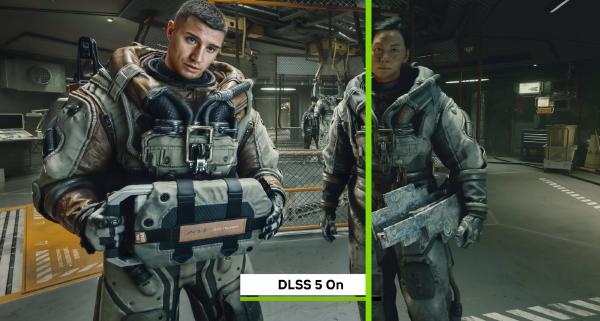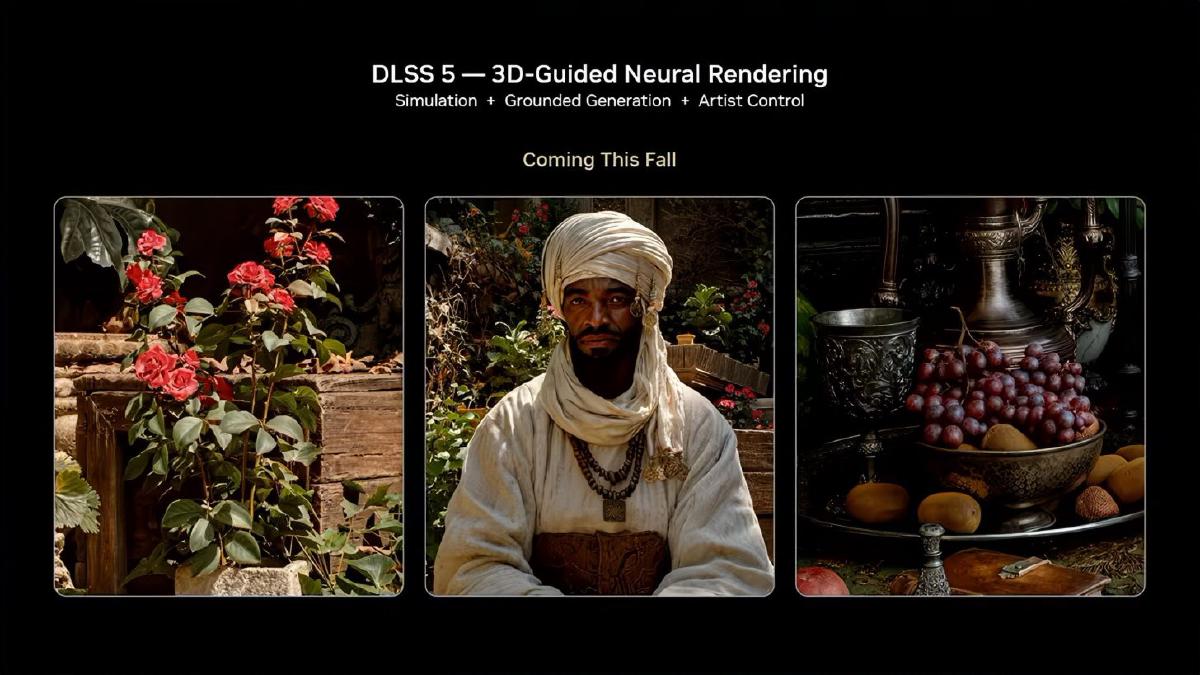
NVIDIA has recently introduced its latest advancement in graphics technology, DLSS 5, which promises to transform how artists create and control visuals in video games. As first reported by Wccftech, the company showcased this innovative toolset at SIGGRAPH, emphasizing its commitment to preserving artistic integrity while providing developers with enhanced capabilities.
At the heart of DLSS 5 is the idea that it is not about AI replacing traditional graphics techniques, but rather about AI enhancing them. NVIDIA aims to empower creators with more control over their final visual outputs, addressing previous concerns about the integrity of artistic vision in the age of artificial intelligence. The technology uses neural rendering to uplift existing assets, allowing for stunningly lifelike visuals that can be achieved even on a single GPU.
During the SIGGRAPH demonstration, the difference between gameplay with DLSS off and DLSS on was staggering. The visual quality improvement was described as day and night, raising the bar for what players can expect from current and future titles. This leap in graphical fidelity is not just a technical achievement; it’s an opportunity for developers to push their creative boundaries while maintaining their unique artistic styles.
NVIDIA’s commitment to artist control is likely to resonate well within the indie game development community, where many creators work with limited resources but possess a wealth of imagination and creativity. By providing tools that enhance their ability to realize their visions without compromise, NVIDIA is fostering an ecosystem that champions diverse artistic expression.
While the initial reception of DLSS 5 appears overwhelmingly positive, the true test will be how developers integrate this technology into their projects. Whether it’s enhancing the whimsical world of an indie platformer or adding depth to an atmospheric narrative-driven game, the potential applications are vast.
The implications of DLSS 5 extend beyond just better graphics. By enabling developers to focus more on storytelling and artistic direction, this technology could lead to a new wave of titles that truly resonate with players. The artistic community has long feared that AI advancements might stifle creativity; however, NVIDIA’s approach seems to align more with collaboration than replacement.
As the gaming industry continues to evolve rapidly, the demand for lifelike visuals at accessible performance levels is increasing. NVIDIA’s DLSS 5 could very well be a pivotal player in this evolution, enabling smaller studios to compete with larger ones on a level playing field.
For now, fans and developers alike will be watching closely as more information about DLSS 5 becomes available and as studios begin to experiment with this technology in upcoming projects. The possibilities are immense, and the prospect of witnessing the next generation of indie games powered by DLSS 5 is certainly thrilling.
NVIDIA is known for its dedication to advancing graphics technology and supporting developers of all sizes. The company has long been a staple in the gaming industry, continuously pushing the envelope to enhance player experiences. With DLSS 5, they are once again proving their commitment to the future of gaming.
Image credit: Wccftech
This article was generated with AI assistance and reviewed for accuracy.