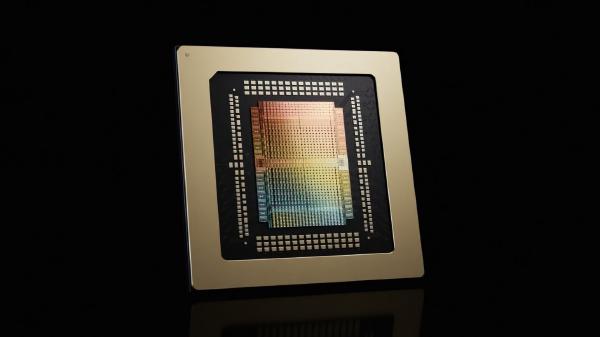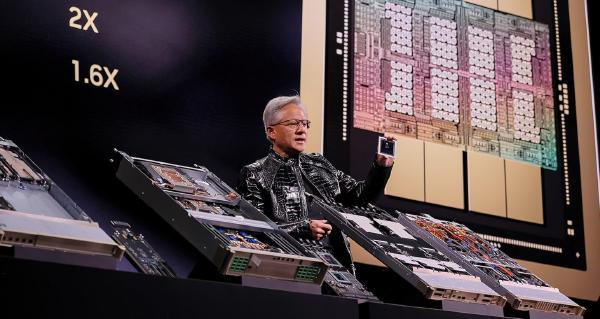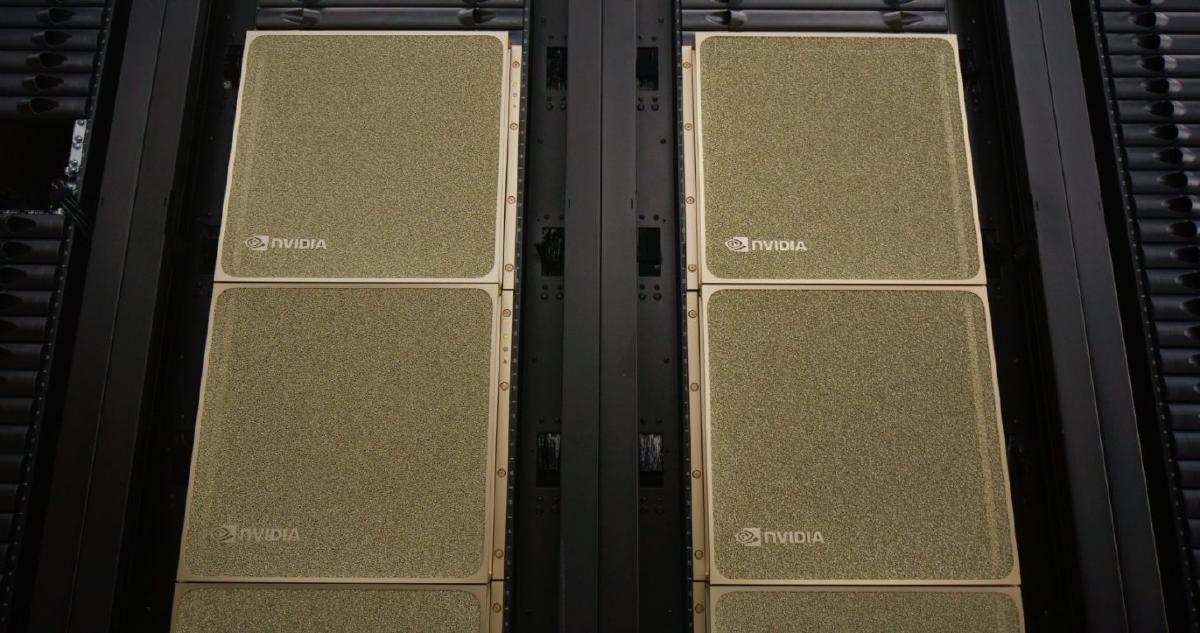
NVIDIA is making significant strides in the AI CPU market, announcing plans to produce up to 1,000 Vera Rubin Racks daily. This ambitious goal follows the successful introduction of its Grace CPUs, which have already made a notable impact in AI applications. As first reported by Wccftech, NVIDIA is transitioning from its roots as a GPU manufacturer to establish itself as a comprehensive system provider.
The company’s venture into CPU production is a key part of this strategy, and its recent success with the Grace CPUs has set the stage for this new initiative. The Grace architecture, which was unveiled earlier this year, has garnered attention for its performance in handling complex AI workloads. NVIDIA’s rapid scaling of production for the Vera Rubin Racks is a direct response to the increasing demand for more efficient and powerful computing solutions in AI development.
NVIDIA has been pivoting towards a more diverse range of products. While it has long been synonymous with graphics processing units, the company is now emphasizing its capabilities in CPU technology. The Grace CPUs are built to operate alongside its GPUs, creating a powerful synergy that enhances overall computational performance, particularly for machine learning and data processing tasks.
The Vera Rubin Racks will play a crucial role in NVIDIA’s expanding CPU lineup. These systems are designed to leverage the capabilities of the Grace CPUs, allowing organizations to run advanced AI applications more efficiently. With the ability to produce 1,000 racks each day, NVIDIA aims to meet the growing needs of enterprises and researchers alike who require high-performance computing solutions.
NVIDIA’s shift to a full-stack system provider signifies a broader trend within the tech industry, where companies are increasingly focused on creating integrated solutions to meet complex computational demands. The firm’s investments in CPU technology highlight its commitment to not just remain relevant but to lead in an evolving market landscape.
This strategic move positions NVIDIA favorably against competitors in the AI sector, where the demand for processing power continues to surge. By enhancing its CPU offerings while maintaining its GPU leadership, NVIDIA is working to create an ecosystem that supports both traditional gaming and cutting-edge AI development.
NVIDIA’s dedication to innovation and community engagement has always been a hallmark of its approach. As it continues to build on the foundation laid by Grace, the company is not just looking to dominate the market but also to ensure that developers and researchers have the tools they need to push the boundaries of what is possible with AI.
In its quest for dominance in the AI CPU market, NVIDIA is redefining its identity and expanding its technological footprint. As the company gears up for the production of the Vera Rubin Racks, the industry waits to see how these advancements will shape the future of AI and computing.
NVIDIA, founded in 1993, is renowned for its groundbreaking work in graphics technology but is now making waves in the AI sector with its CPU innovations, aiming for a holistic approach to computing solutions.
Image credit: Wccftech
This article was generated with AI assistance and reviewed for accuracy.