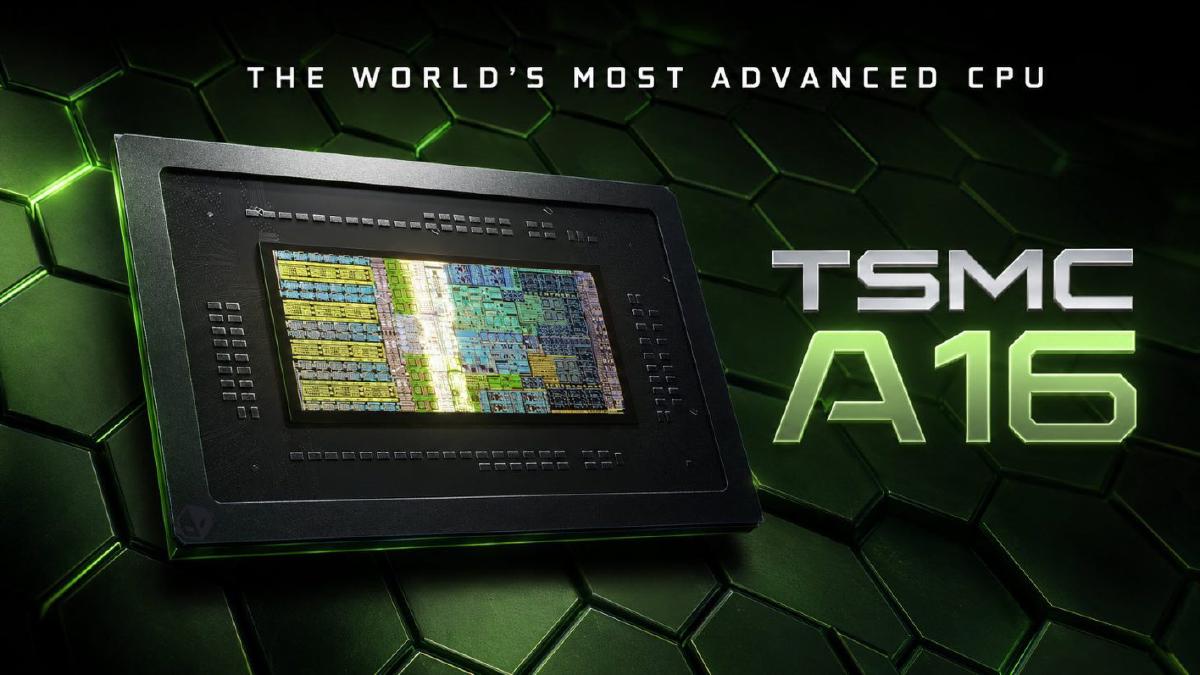
NVIDIA is gearing up for a significant advancement in its CPU technology with the upcoming Rosa series, which is expected to launch in 2029. As first reported by Wccftech, these next-generation processors will utilize cutting-edge manufacturing processes from TSMC, specifically their 2nm technology and A16 process. This collaboration hints at a promising leap in performance and efficiency for NVIDIA’s computing solutions.
The Rosa CPUs are a strategic move for NVIDIA as they aim to enhance their role in the evolving landscape of computing. The integration of TSMC’s 2nm technology is particularly noteworthy. It’s designed to improve performance while reducing power consumption, a critical factor in today’s tech-driven world where efficiency is paramount.
In addition to the 2nm process, NVIDIA is also looking at the A16 technology, which is complemented by a feature known as Super Power Rail. This technology is expected to optimize power delivery, potentially allowing for better thermal management and overall system stability. As gaming and computing demands continue to rise, this focus on power efficiency could be a turning point for developers and gamers alike.
NVIDIA has not only carved out a substantial niche in the GPU market, but they are also making significant strides in CPU development. With the release of Rosa, they are positioning themselves to compete more aggressively in fields traditionally dominated by other chip manufacturers. The move to partner with TSMC underscores NVIDIA’s commitment to innovation and their desire to push the boundaries of what’s possible in computing technology.
The details surrounding these developments are still emerging, but the prospect of harnessing TSMC’s latest process technologies raises expectations for the performance capabilities of the Rosa CPUs. Players in the gaming industry, content creators, and tech enthusiasts are all likely to keep a close eye on how these advancements could transform their experiences.
As the tech landscape evolves rapidly, advancements like those being implemented in the Rosa CPUs could have ripple effects across various sectors. Companies engaged in game development and content creation will benefit from the enhanced processing power and efficiency that these CPUs aim to deliver.
For those invested in the future of computing and gaming technology, the Rosa CPUs represent a beacon of what’s to come. As NVIDIA prepares to reveal more about this ambitious project, excitement builds around how these innovations might influence both gaming and professional workflows in the years ahead.
NVIDIA is well-regarded for its contributions to graphics and computing technology. With the Rosa CPUs, they are likely to continue this legacy, reinforcing their position as a leader in the industry. Their partnership with TSMC signals a commitment to utilizing the most advanced manufacturing technologies available, setting the stage for an exciting future in processor design.
Image credit: Wccftech
This article was generated with AI assistance and reviewed for accuracy.