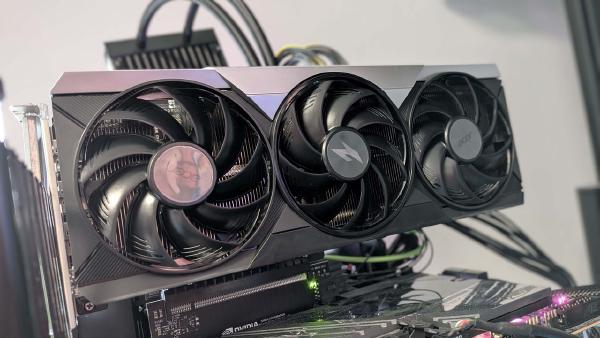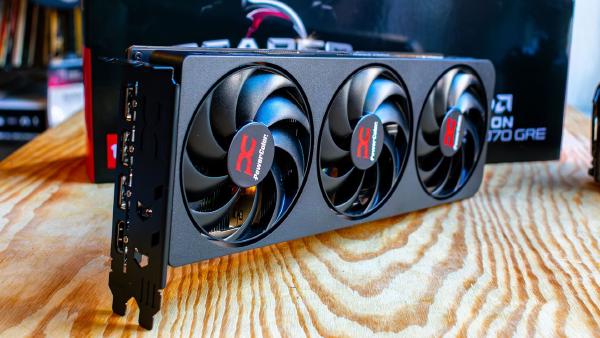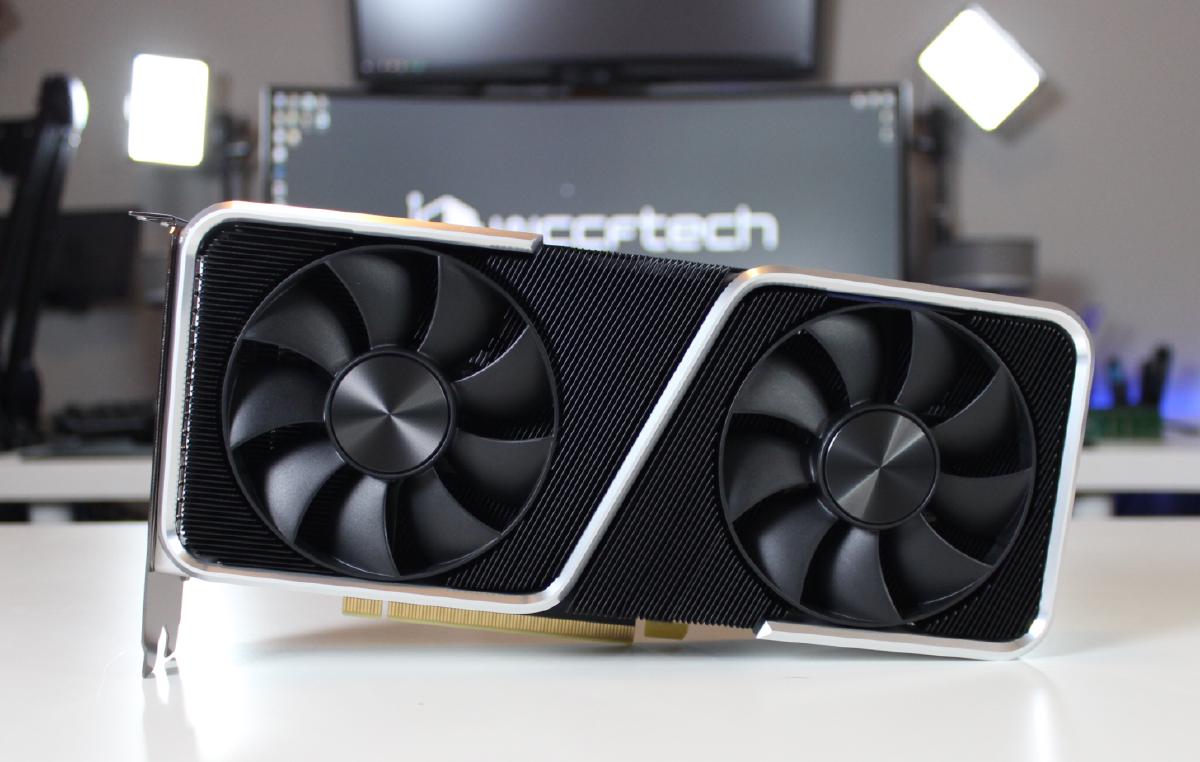
NVIDIA’s GeForce RTX 3060 12 GB graphics card is making a surprising return to the retail market, a decision driven by the ongoing global shortage of DRAM. This unexpected relaunch serves as a stark reminder of the difficulties currently plaguing the PC gaming industry, highlighting a shift in the market landscape.
The RTX 3060, originally released in early 2021, was designed to offer decent performance for gamers at a mid-range price point. However, the resurgence of this five-year-old model coincides with a notable lack of new and innovative graphics cards anticipated from NVIDIA, specifically the RTX 50 SUPER series, which was expected to provide a performance boost over its predecessors. As first reported by Wccftech, the current situation has forced NVIDIA to revisit older models like the RTX 3060 instead of pushing forward with new technology.
The situation stems from a significant disruption in the supply chain, primarily due to shortages of DRAM. This critical component is essential not only for graphics cards but also for a wide range of computing devices. The ongoing scarcity has led manufacturers to reconsider their production strategies, raising concerns about the availability of newer GPUs and the subsequent impact on pricing.
NVIDIA’s decision to reintroduce the 12 GB variant of the RTX 3060 underscores a broader issue,many gamers may be left without access to the latest technology, resulting in a stagnant upgrade cycle. While the RTX 3060 remains a capable card for 1080p and even some 1440p gaming, its re-release may not be what enthusiasts had hoped for during a period when technological advancements were expected to flourish.
The RTX 3060 features a modest specification set by today’s standards, including 3584 CUDA cores and a 192-bit memory interface, which are now considered entry-level for high-end gaming. Despite its age, the card can still deliver decent frame rates in popular titles, but it lacks the performance headroom seen in newer architectures.
The revival of the RTX 3060 might be a practical response to meet the demand of gamers currently facing inflated prices and limited choices. However, it also raises questions about NVIDIA’s roadmap and whether the company can navigate the supply chain challenges while remaining competitive in the graphics card market.
As the gaming landscape evolves, industry insiders are closely watching NVIDIA’s next moves. The current predicament may lead to a shift in consumer expectations regarding hardware availability and performance standards. Gamers are increasingly looking for value in their purchases, and the return of older models like the RTX 3060 could imply a temporary stopgap rather than a sustainable solution.
In the broader context, NVIDIA is not the only player feeling the pressure; other manufacturers are also grappling with the ramifications of supply chain constraints. Nonetheless, the RTX 3060 serves as a reminder of the challenges surrounding the PC gaming market and how external factors can shape product offerings.
NVIDIA, established in 1993, is a leading manufacturer of graphics processing units (GPUs) and has set the standard for gaming graphics with its GeForce product line. The company remains a key player in the race to deliver cutting-edge technology, though its recent reliance on older models may hint at the hurdles it faces in maintaining that position.
Image credit: Wccftech
This article was generated with AI assistance and reviewed for accuracy.