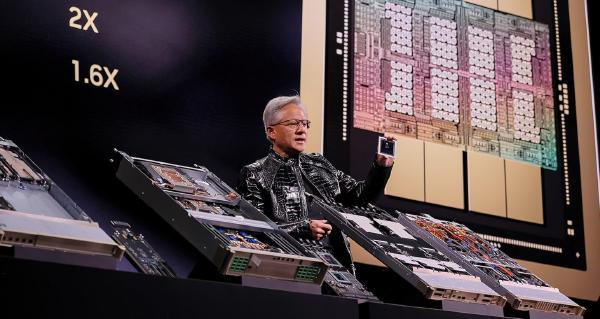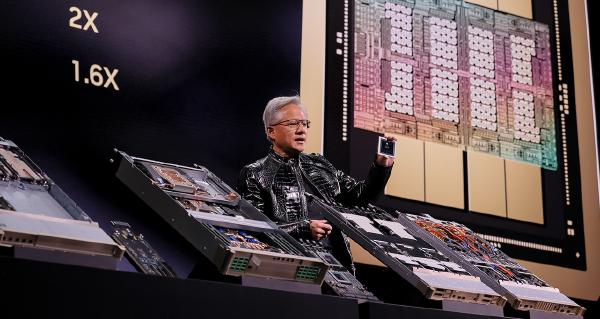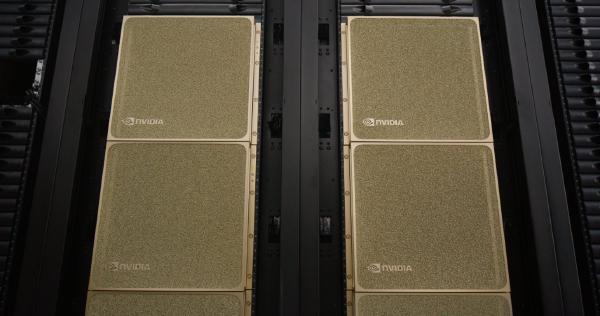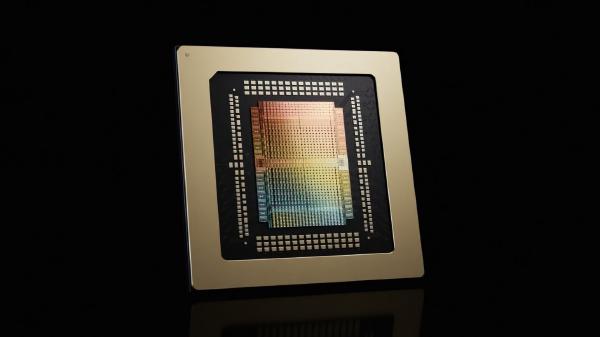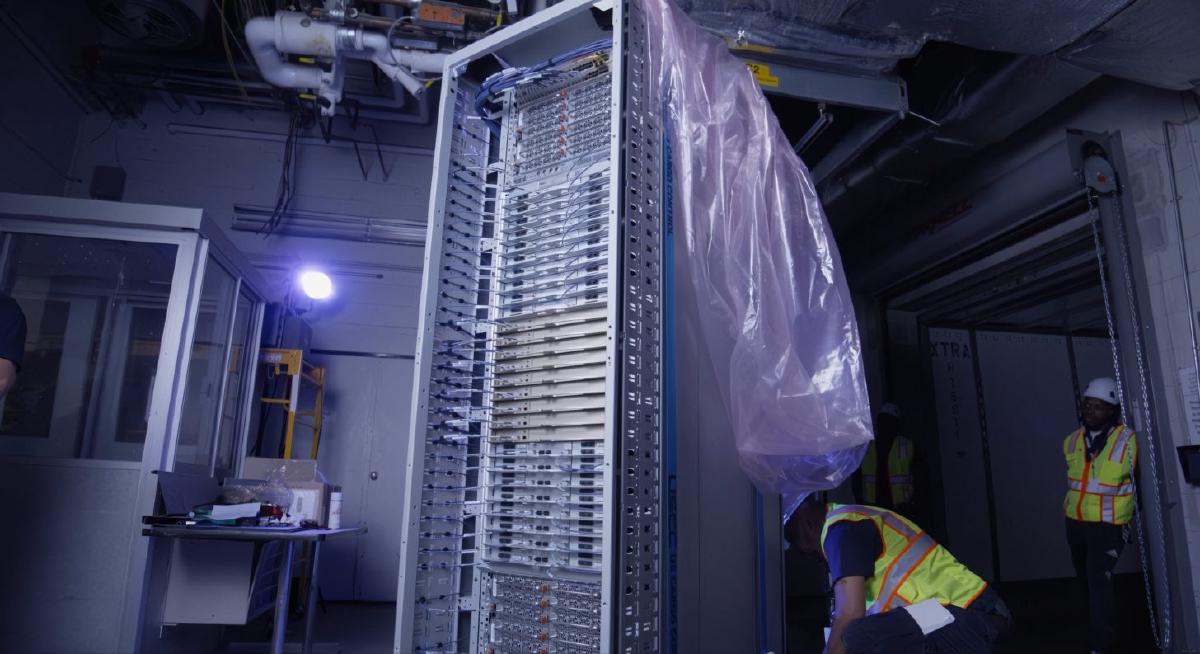
NVIDIA Corporation is taking significant steps to manage rising costs associated with its Vera Rubin NV72 rack-scale AI systems. As reported by Wccftech, the company is reducing the memory capacity of these systems due to escalating prices for High Bandwidth Memory (HBM4) and an industry-wide memory shortage.
The decision to trim memory follows an analysis from GF Securities, which identified that the increasingly high costs of HBM4 could account for nearly 29 percent of the total expenses associated with each rack. By reducing the memory capacity, NVIDIA could potentially lower the overall cost of the Vera Rubin NV72 racks by close to 50 percent. This move is not merely a reaction to the current economic landscape; it also reflects NVIDIA’s proactive strategy of securing long-term memory supply agreements in anticipation of upcoming shortages.
The tech industry has faced considerable challenges due to production constraints exacerbated by high demand. Many companies have struggled to maintain their performance and pricing. However, NVIDIA’s foresight in securing these agreements has provided it with a buffer against the turbulent memory market, allowing the company to navigate this period with greater agility than some of its competitors.
The Vera Rubin NV72 rack is designed to support AI workloads, with an emphasis on high-performance computing. By optimizing memory usage, NVIDIA aims to enhance the affordability and accessibility of its AI solutions, which is crucial as businesses increasingly turn to artificial intelligence for various applications.
The implications of this memory reduction extend beyond just NVIDIA. A significant cost reduction could make the technology more attractive to a wider range of enterprises, from startups to established corporations looking to implement AI strategies without incurring overwhelming expenses. This could lead to increased adoption of NVIDIA’s AI systems and a potential shift in the competitive landscape of AI hardware.
As the demand for high-performance AI systems continues to grow, NVIDIA’s maneuver highlights the necessity for strategic resource management in the tech sector. Companies must not only innovate but also remain agile in adapting to shifting market conditions.
This move underscores NVIDIA’s ongoing commitment to delivering cutting-edge technology while remaining responsive to the economic realities of the memory market. By strategically managing its resources, NVIDIA aims to maintain its leading position in the AI space, ensuring that its products remain competitive in an increasingly crowded field.
NVIDIA has established itself as a pioneer in the graphics and AI industries, consistently pushing the envelope in performance and efficiency. With the Vera Rubin NV72 rack systems, the company aims to set new standards for AI infrastructure, balancing technological prowess with fiscal responsibility. As the landscape of AI continues to evolve, NVIDIA’s decisions will likely shape the future of AI deployment across various sectors.
Image credit: Wccftech
This article was generated with AI assistance and reviewed for accuracy.