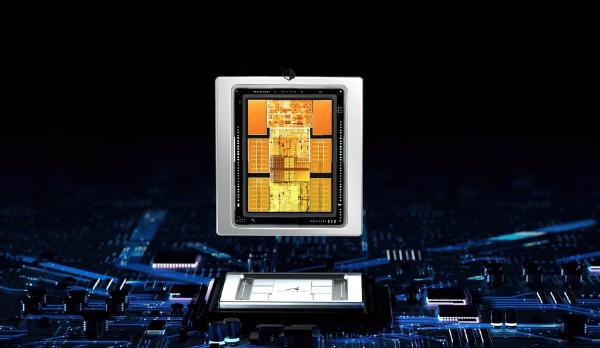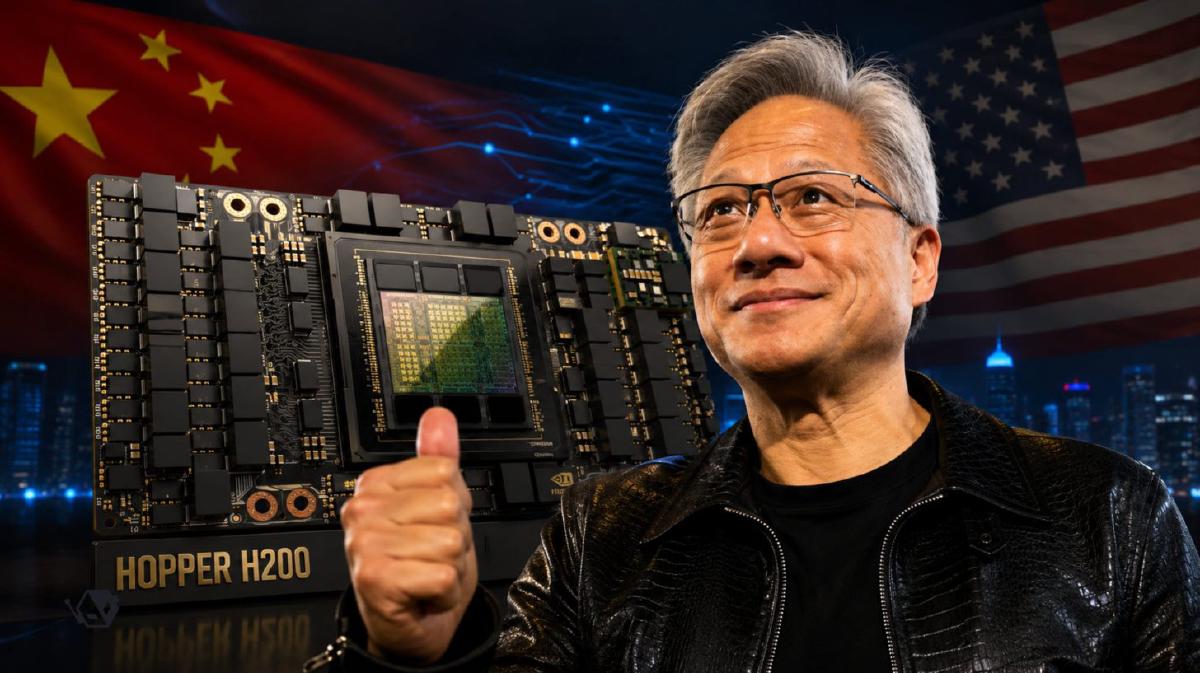
In a notable turn of events, NVIDIA has secured approval from the US government to resume selling its Hopper H200 GPUs to Chinese firms. This development is significant for the company, which saw its market share plummet from an impressive 95 percent due to previous US export restrictions. As first reported by Wccftech, this approval enables ten Chinese companies to access up to 75,000 units of the H200 GPU each, potentially allowing NVIDIA to reclaim its foothold in a rapidly growing market.
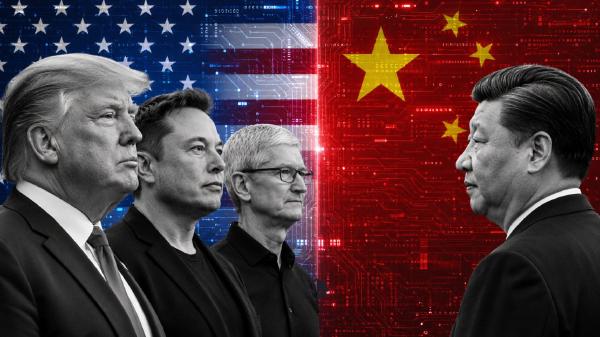
The decision comes amidst the backdrop of ongoing negotiations between US President Donald Trump and Chinese President Xi Jinping, where technology was a key discussion point. Initially, NVIDIA CEO Jensen Huang had intended to accompany Trump on his trip to China, but plans shifted at the last moment. Huang’s absence from the delegation did not hinder the positive outcome for NVIDIA in this high-stakes market.
The Hopper H200 GPU is particularly crucial for AI applications, offering advanced capabilities that many Chinese tech companies are eager to harness. This hardware is expected to power a variety of AI projects, ranging from machine learning to data analysis, making it a valuable resource for the Chinese tech sector.
The approval not only benefits NVIDIA but also reflects a potential thaw in US-China trade relations in the tech industry. The reinstated access to NVIDIA’s cutting-edge technology could lead to renewed innovation and competition in AI, fostering advancements that might have otherwise been stifled by the restrictions.
NVIDIA’s current standing in China highlights the delicate balance between national interests and corporate ambitions. The company has historically played a significant role in the AI landscape, and near-total market absence could have had long-term consequences not just for NVIDIA, but for its partners and customers who rely on its products.
As the tech landscape continues to evolve, NVIDIA’s ability to navigate these complex geopolitical waters will be critical. The renewed access to the Chinese market may signal a shift in strategy, with NVIDIA possibly seeking closer ties with international markets while maintaining compliance with US regulations.
For gamers and developers alike, the implications of this approval extend beyond the business realm. NVIDIA’s advancements in GPU technology power a myriad of indie titles and emerging projects, meaning that the resurgence of its presence in China could lead to new partnerships and opportunities for innovation in gaming and AI.
In recent years, many indie developers have relied on NVIDIA’s technology to push the boundaries of what is possible in games, particularly in visual fidelity and AI-driven mechanics. As these smaller studios gain access to the latest hardware, we can expect to see a wave of creativity and experimentation in the indie game scene.
NVIDIA, founded in 1993, is well-known for its pioneering work in the graphics processing unit (GPU) market. The company has consistently pushed the envelope in gaming and AI technology, making it a cornerstone of the industry. The approval for the H200 GPUs could mark a new chapter not only for NVIDIA but also for the global tech ecosystem, with potential benefits rippling through various sectors.
Image credit: Wccftech
This article was generated with AI assistance and reviewed for accuracy.