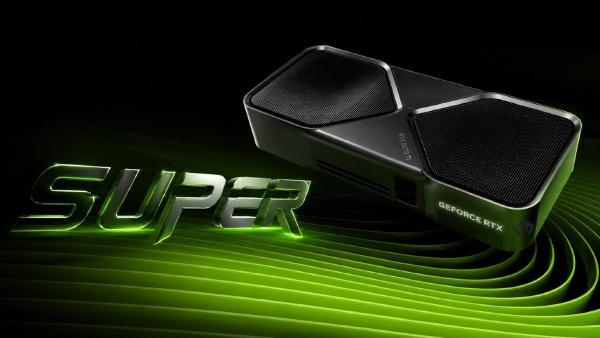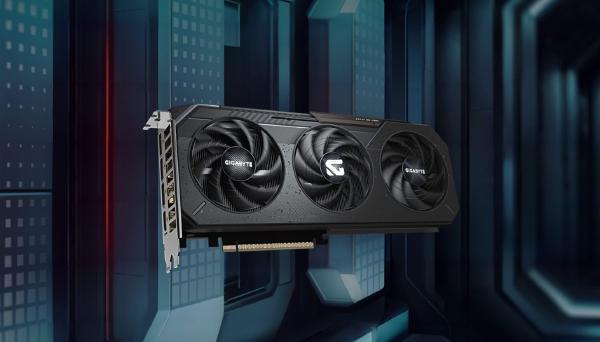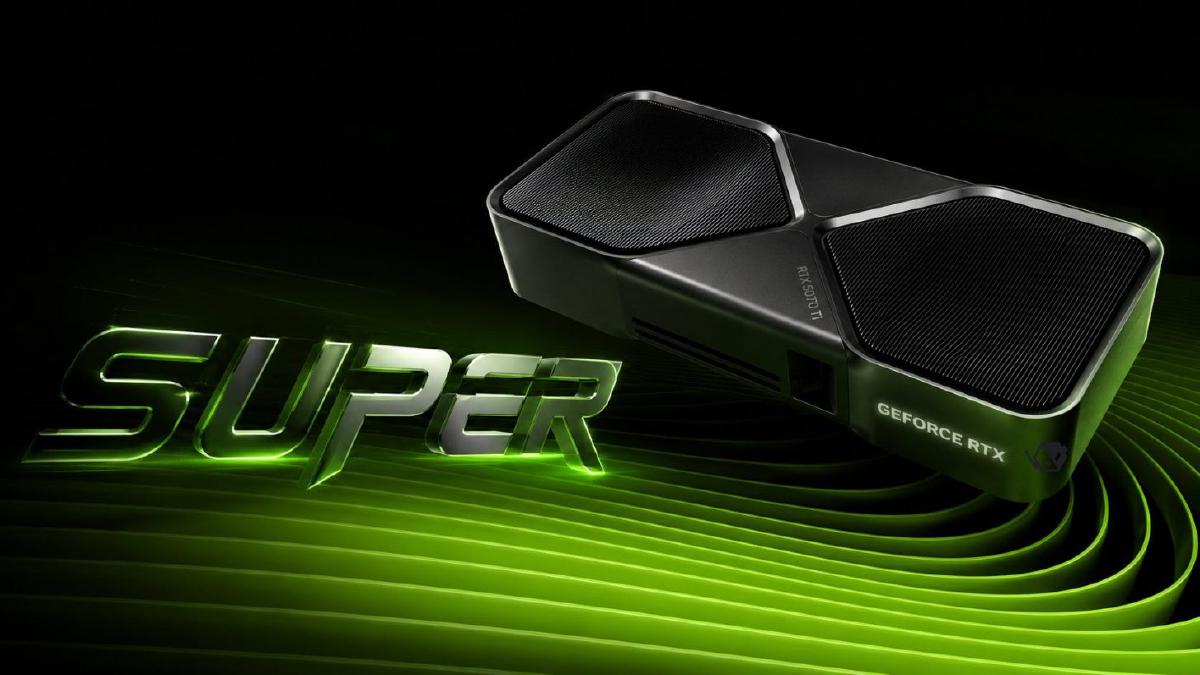
In a move that has sent ripples through the tech community, NVIDIA has announced a price increase on its consumer graphics cards for the third time this year, with hikes reaching up to 30 percent. This decision, influenced by Samsung’s reported 20 percent rise in DRAM prices for the current quarter, has left distributors scrambling and store shelves significantly depleted, as first reported by Wccftech.
The timing of this price adjustment is particularly concerning for gamers and creators alike. Unlike previous price hikes earlier this year, which primarily affected select models, the latest increase has a broader reach, impacting a wider range of consumer-facing graphics card options. Reports suggest that this substantial price increase has led to a panic within the distribution network, as many retailers struggle to keep their inventories stocked.
As consumers navigate the murky waters of hardware availability, the ramifications of these price hikes extend beyond just the immediate cost for buyers. Gamers looking to upgrade their setups may find themselves facing not only higher prices but also limited choices, as the demand for graphics cards continues to outstrip supply. This situation has been exacerbated by ongoing global supply chain issues, which have hampered the production and distribution of essential components.
Market analysts speculate that NVIDIA’s decision might be a preemptive measure to stabilize its operations amidst rising costs and supply challenges. However, for end-users, this could mean delaying upgrades or settling for less powerful models than originally planned. It raises questions about the long-term impact on gaming performance and the overall PC gaming landscape.
has reacted with frustration, with many expressing concerns over the financial burden these increases place on casual and dedicated gamers alike. With gaming hardware often being a significant investment, the idea of paying even more for already expensive components has understandably ruffled feathers.
In light of this situation, users are encouraged to be vigilant when shopping for graphics cards. While some models may still be available at pre-hike prices through secondary markets or smaller retailers, potential buyers should brace for increased competition and higher costs.
NVIDIA’s repeated price increases this year highlight a troubling trend within the hardware sector, where consumers are increasingly facing challenges in accessing the technology needed for an optimal gaming experience. As the situation unfolds, it will be crucial for both manufacturers and consumers to adapt to this rapidly changing landscape.
NVIDIA, a leading player in the graphics card market, is known for its cutting-edge technology that powers many of the most popular games and applications today. The company’s range of GPUs has been instrumental in advancing gaming graphics and performance, making these price increases all the more impactful for its user base.
Image credit: Wccftech
This article was generated with AI assistance and reviewed for accuracy.