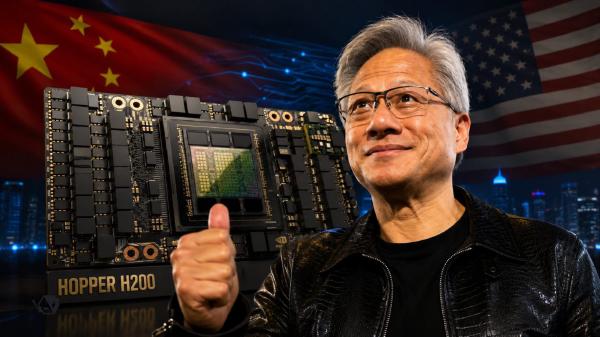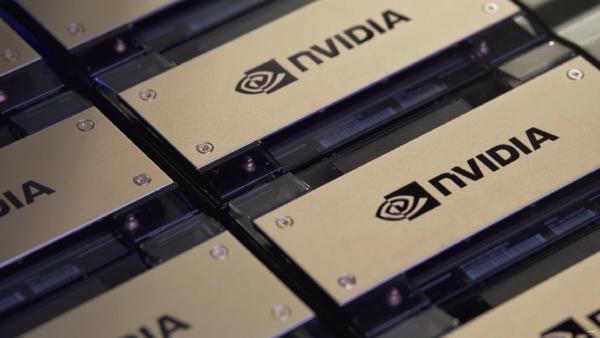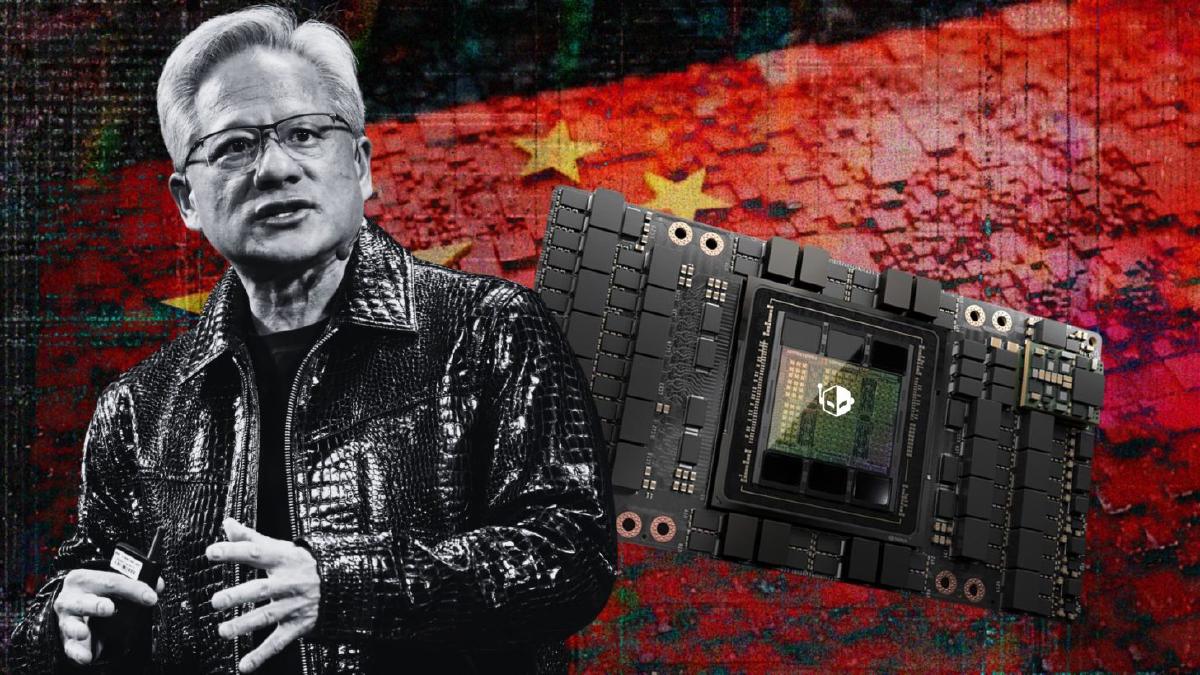
NVIDIA is making strategic moves to maintain its foothold in the Chinese market, despite significant restrictions imposed by US export controls. As first reported by Wccftech, the company is developing a new inference chip based on Groq’s LPU technology. This initiative appears to be an effort to provide value to its Chinese customer base while adhering to current regulations.
The backdrop to this development is the ongoing tension between the US and China over technology exports. Recently, the Biden administration has tightened restrictions on the export of advanced semiconductors and GPU technology to China, a trend that has roots in the previous administration under Donald Trump. The H200 GPU, previously authorized for use in China, is now under scrutiny, with Beijing actively discouraging its importation. The changing landscape has prompted NVIDIA to rethink its approach to the Chinese market.
The proposed LPU-based inference chip represents an innovative pivot for NVIDIA, allowing the company to offer a product tailored specifically for its Chinese clientele. This shift not only helps circumvent the current export limitations but also positions NVIDIA to compete effectively with local Chinese manufacturers. These manufacturers, such as SMIC, have been capitalizing on the US export controls, establishing themselves as key players in the semiconductor market within China.
NVIDIA’s ability to engineer a chip that meets the needs of Chinese customers while remaining compliant with export regulations will be crucial to retaining its market share. The development of inference chips, which are essential for AI applications and deep learning, is particularly relevant given China’s increasing focus on these technologies. The introduction of Groq’s LPU technology into NVIDIA’s lineup could enhance performance and efficiency, making these chips attractive options for local enterprises.
Moreover, the implications of these developments extend beyond NVIDIA. As the global semiconductor landscape adjusts to the new geopolitical realities, companies must navigate a complex web of regulations and market demands. Local firms in China are under pressure to innovate and produce alternatives that meet the same technological standards as their Western counterparts.
While NVIDIA’s exploration of LPU-based designs may provide a short-term solution to the export challenges, the long-term impact remains to be seen. Companies like NVIDIA will need to continuously adapt their strategies to stay relevant in an evolving market shaped by stringent regulations and fierce competition.
In summary, NVIDIA’s foray into LPU technology highlights the ongoing challenges and opportunities within the semiconductor industry, particularly in relation to US-China relations. With the introduction of new chips aimed at meeting the needs of a rapidly changing market, NVIDIA is positioning itself to navigate the complexities of international trade while maintaining its commitment to innovation.
NVIDIA, founded in 1993, is a leader in graphics processing units (GPUs) and artificial intelligence (AI). Its products are widely used across various industries, including gaming, automotive, and data centers. The company’s ability to adapt to market demands will be pivotal for its continued success in an increasingly competitive landscape.
Image credit: Wccftech
This article was generated with AI assistance and reviewed for accuracy.