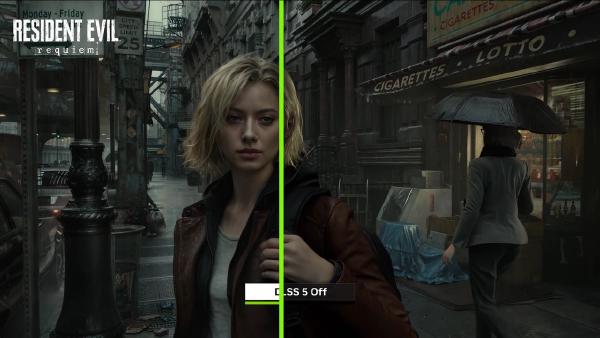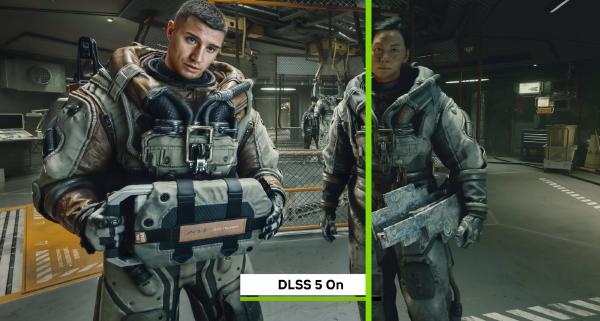
Nvidia’s recent unveiling of DLSS 5 has sparked significant debate among gamers and developers alike, with many expressing concerns over the potential impact on game aesthetics. During a Q&A session at the GPU Technology Conference (GTC) 2026, CEO Jensen Huang took the opportunity to address this backlash directly. As first reported by IGN, Huang’s response to the criticism was straightforward, asserting, “first of all, they’re completely wrong.”
The heart of the controversy lies in how DLSS 5 integrates generative AI to enhance graphics. Huang emphasized that while the technology employs advanced AI techniques, the ultimate decision on its implementation remains in the hands of developers. “DLSS 5 fuses controllability of the geometry and textures and everything about the game with generative AI,” he explained. “It’s not post-processing, it’s generative control at the geometry level.”
Despite Huang’s defense, many criticisms appear to stem from visual changes showcased in the promotional materials rather than the technology’s functionality itself. Gamers have expressed concerns that these alterations could detract from the artistic vision of their favorite titles. Huang’s insistence that the visual output is not a point of contention puts him at odds with the community’s perceptions. After all, how a game looks is often subjective, and it’s challenging to argue against what players can see with their own eyes.
While Huang remained confident in DLSS 5’s capabilities, the question of how it will be received upon its fall release looms large. Nvidia is likely aware of the need to address these concerns head-on and may choose to present additional demonstrations that highlight the technology’s advantages in a more appealing manner as the launch date approaches.
This marks a critical moment for Nvidia, especially as competition in the PC graphics market heats up. As companies vie for dominance, how they respond to community feedback can significantly sway public opinion and influence future purchases. Nvidia’s reputation hinges on its ability to not only innovate but also listen to the voices of its users.
As we await further details about DLSS 5, it’s essential to keep an eye on how Nvidia navigates this feedback. The company has a track record of pushing boundaries in the graphics industry, but balancing technical advancement with the aesthetic preferences of gamers could prove to be a challenging tightrope walk.
Nvidia has a storied history of catering to gamers and developers alike, having pioneered many technologies that enhance gaming experiences. With the introduction of DLSS 5, they aim to take another leap forward. However, how well they can align their innovations with community expectations will be the true test as we look ahead to the fall.
Image credit: IGN
This article was generated with AI assistance and reviewed for accuracy.