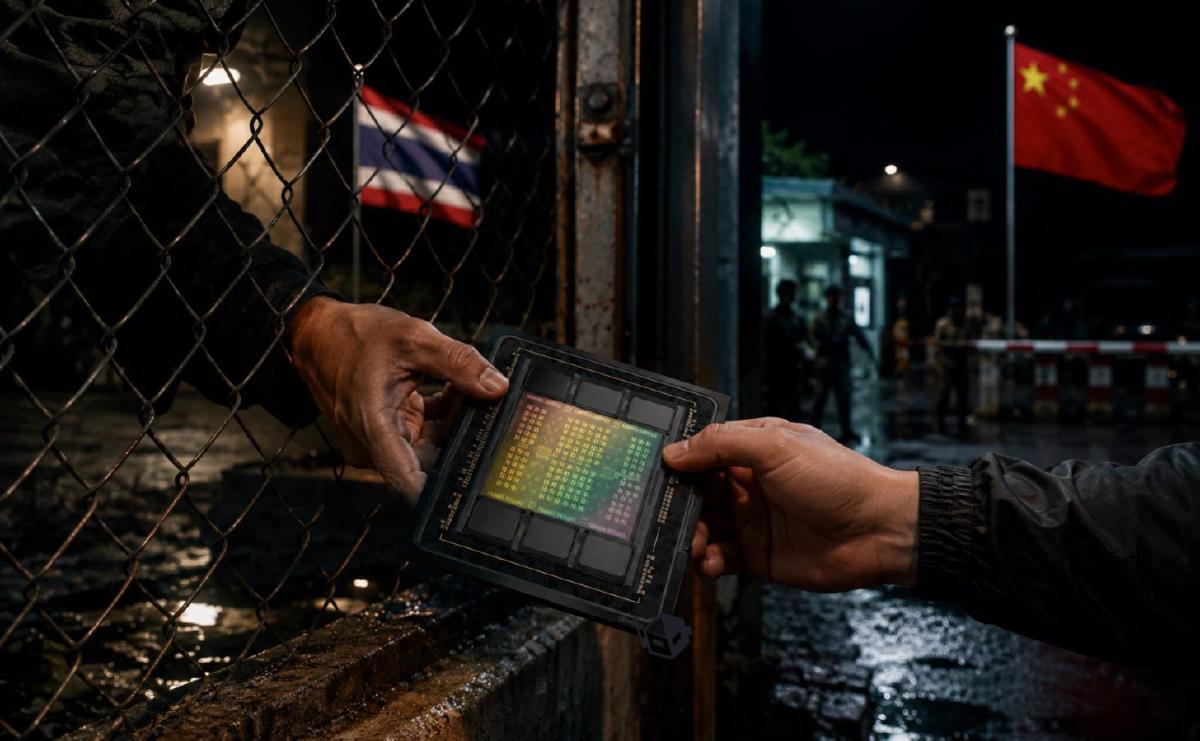
NVIDIA’s AI chips have reportedly found their way to Alibaba, one of China’s major tech players, via illicit channels, prompting serious legal ramifications in the United States. This development comes amid a federal investigation alleging that Supermicro executives participated in a $2.5 billion smuggling operation, as first reported by Wccftech.
Despite China’s increasing efforts to promote domestic AI chip production, major companies like Alibaba continue to seek out NVIDIA’s advanced hardware. This situation highlights the ongoing demand for NVIDIA’s technology in China, even as the country pushes for self-sufficiency in AI chip manufacturing. The U.S. government has imposed restrictions on the export of certain advanced chips to China, aiming to curb the growth of military applications and technological dependence on foreign suppliers.
Reports indicate that the smuggling operation facilitated by Supermicro involved high-ranking executives within the company, further complicating the situation. Allegedly, these individuals helped orchestrate shipments of NVIDIA’s restricted chips through Thailand, circumventing export regulations. The implications of these actions are significant, as the U.S. aims to maintain its technological edge over global competitors.
As per Bloomberg, the indictment of Supermicro executives reveals a complex smuggling network designed to bypass legal restrictions. This case illustrates not only the lengths that companies will go to secure cutting-edge technology but also highlights the challenges regulators face in enforcing export controls. With a market cap exceeding $2 trillion, Alibaba’s insatiable appetite for the latest AI advancements puts it at the forefront of this unfolding saga.
The breach of export laws by Supermicro raises questions about corporate ethics and responsibility, as well as the potential repercussions for the companies involved. The U.S. government is likely to scrutinize Supermicro’s operations more closely in light of these allegations, which may affect its business relationships with both domestic and international partners.
NVIDIA, for its part, has yet to comment on the allegations surrounding Supermicro or the smuggling of its chips to China. However, the company continues to be a leader in the AI hardware market, with its graphics processing units (GPUs) serving as the backbone for many AI applications worldwide. With the ongoing geopolitical tensions between the U.S. and China, NVIDIA’s products have become a focal point of both innovation and regulation.
As the investigation unfolds, both the tech industry and regulators will be watching closely to see how this situation develops. The smuggling case against Supermicro not only highlights the continued demand for NVIDIA’s technology in China but also raises critical questions about the future of international trade in advanced technology.
Supermicro, known for its high-performance server solutions, has long been a key player in the hardware industry. Founded in 1993, the company has established itself as a leader in the design and manufacturing of server and storage solutions. The ongoing investigation could have lasting impacts on its reputation and operations, as well as on the broader tech landscape.
In summary, the journey of NVIDIA’s AI chips through illegal channels to Alibaba underscores the intricacies of global trade in high-tech components, while raising pressing concerns about compliance and the integrity of corporate practices in the tech sector.
Image credit: Wccftech
This article was generated with AI assistance and reviewed for accuracy.