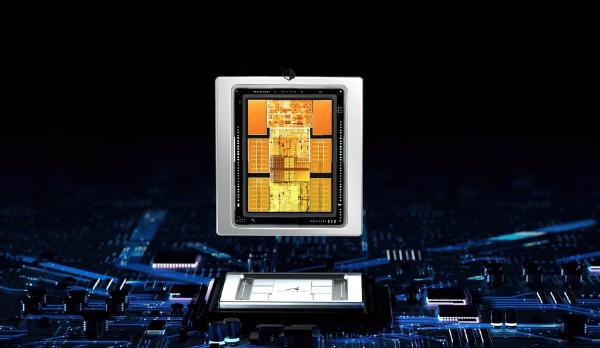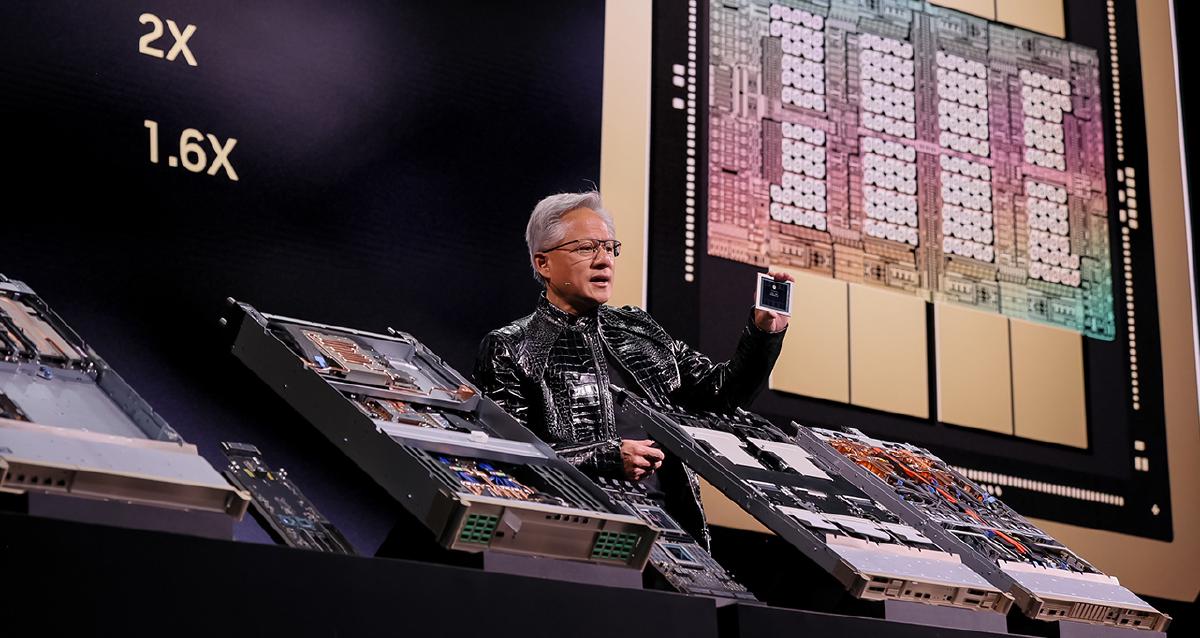
NVIDIA is set to begin shipping its next-generation AI chip, the Vera Rubin, as early as July 2023. This rollout comes despite recent speculation regarding potential design issues affecting the new architecture. As first reported by Wccftech, NVIDIA is moving forward with the Vera Rubin launch, marking a significant step in its efforts to lead the AI hardware market.
The Vera Rubin chip is expected to be a cornerstone of NVIDIA’s AI strategy, designed to enhance the capabilities of data centers handling large-scale AI workloads. Following a series of rumors suggesting that the chip might face design complications similar to those experienced during the Blackwell GPU launch, NVIDIA has effectively quelled these concerns by reaffirming its commitment to meet the scheduled delivery dates. The company has the resources and partnerships necessary to address any pre-shipment challenges that may arise, ensuring a smooth transition into production.
The first shipments will primarily target major AI customers, signaling NVIDIA’s intention to maintain its competitive edge in the rapidly evolving AI sector. The company has been a dominant player in the GPU market, with its products increasingly utilized in AI applications, machine learning, and data processing. The Vera Rubin chip is expected to offer substantial improvements in performance and efficiency over its predecessors, reinforcing NVIDIA’s leadership position.
In terms of specifications, the Vera Rubin architecture is anticipated to introduce advanced features that cater specifically to AI workloads. While detailed specifications have not been officially released, early benchmarks and performance metrics suggest that the new architecture will operate at significantly higher throughput levels compared to the previous generation. This is an essential factor as AI applications demand increasingly robust computational resources.
Mass production of the Vera Rubin chip is projected for the second half of 2026, indicating that NVIDIA is preparing for a larger-scale rollout that could influence the broader market. The timeline aligns with the company’s strategy to continually innovate and adapt to the growing demands of AI technology.
The recent rumors surrounding design issues bear resemblance to the discussions that circulated prior to the Blackwell GPU launch, which also faced similar scrutiny. However, NVIDIA’s confidence in its supply chain and engineering teams has helped it to address these concerns proactively. By leveraging its strong relationships with manufacturing partners, the company aims to avoid potential delays that could impact the adoption of the Vera Rubin architecture.
In the broader context of the semiconductor and AI industries, the Vera Rubin launch is critical for NVIDIA as competition in AI hardware intensifies. Companies such as AMD, Intel, and emerging startups are also racing to develop AI chips that can compete with NVIDIA’s offerings. As such, the successful deployment of the Vera Rubin chip could play a pivotal role in shaping future AI developments and maintaining NVIDIA’s market dominance.
NVIDIA, founded in 1993, has built a reputation for pioneering graphic processing technologies, with its GPUs powering everything from gaming consoles to high-performance servers. The introduction of the Vera Rubin architecture represents another chapter in NVIDIA’s ongoing evolution, as the company continues to push boundaries in both gaming and professional computing.
Image credit: Wccftech
This article was generated with AI assistance and reviewed for accuracy.