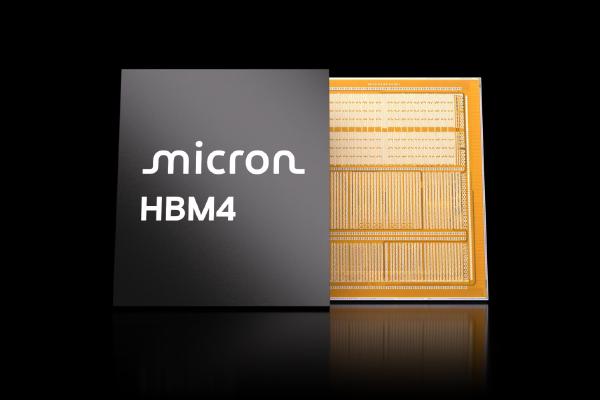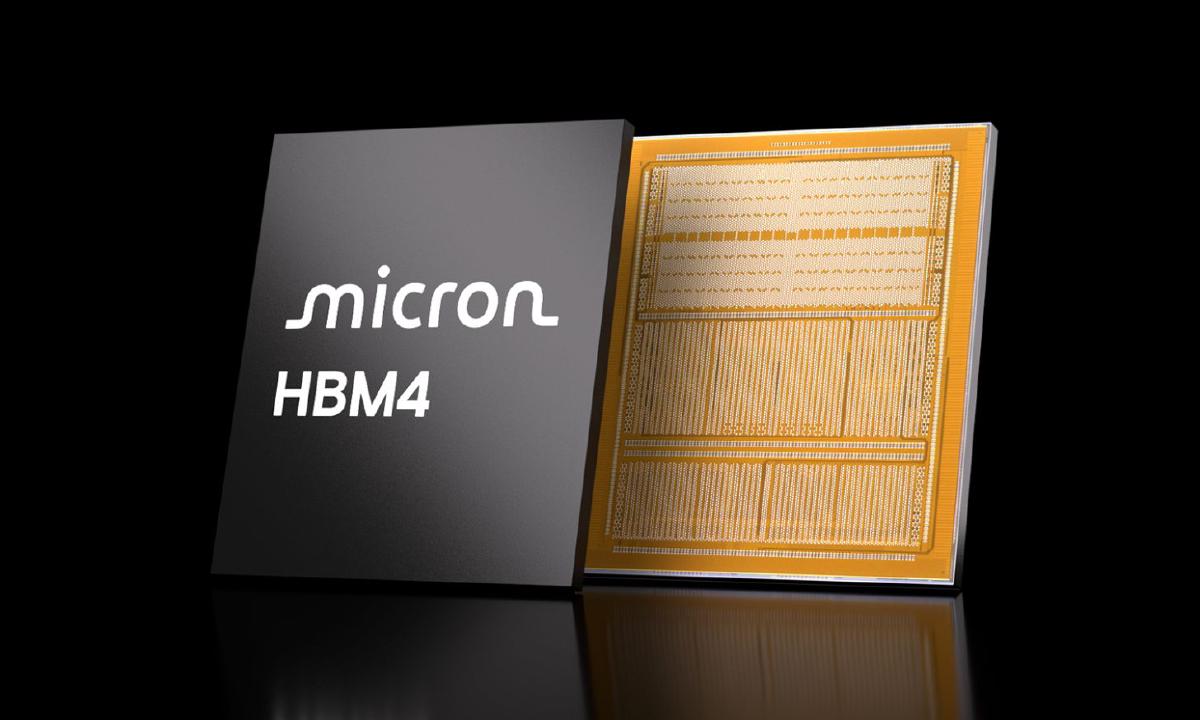
The semiconductor industry is buzzing with news of a new standard that could reshape the HBM (High Bandwidth Memory) landscape. The JEDEC Solid State Technology Association has approved the SPHBM4 standard, a move designed to alleviate the high costs and packaging challenges associated with existing HBM technologies. This new standard is seen as a potential solution as demand for HBM continues to soar, especially among AI and high-performance computing (HPC) applications. As first reported by Wccftech, this shift could be a for many developers and manufacturers.
The rising demand for HBM memory is fueled by its critical role in high-performance applications. Nearly all leading AI and HPC accelerators being released today are utilizing some form of HBM memory. The latest iterations of HBM, particularly HBM4 designs, are already making waves in the industry, with HBM4E samples being tested by top chipmakers. However, as demand escalates, the costs associated with HBM technology have become a significant bottleneck in production.
The high price of HBM memory has been a pressing concern, leading to delays and shortages in the premium DRAM market. With the SPHBM4 standard, JEDEC aims to provide a more economical alternative that retains the impressive speeds of HBM4 while simplifying the packaging process. This could pave the way for wider adoption of HBM technology among developers, especially smaller studios that may have previously found the costs prohibitively high.
By streamlining the packaging requirements, SPHBM4 is expected to allow manufacturers to produce HBM memory more efficiently and at a lower cost. This could make it more accessible to a broader range of applications, particularly in the burgeoning fields of AI and machine learning, where fast data processing is essential.
The introduction of SPHBM4 also reflects the industry’s response to the ongoing challenges posed by supply chain constraints and the increasing scarcity of high-performance memory solutions. As AI workloads continue to expand, manufacturers and developers alike are in desperate need of cost-effective memory solutions that do not compromise on performance.
This development has the potential to foster innovation across a wide variety of sectors, from gaming to advanced scientific research. More affordable HBM technology could encourage indie developers and smaller studios to explore new possibilities in game design and computational applications, which have traditionally been limited by the high costs associated with advanced memory technologies.
As JEDEC rolls out the SPHBM4 standard, how quickly the industry will adapt to these changes and what impact they will have on the broader technological landscape. However, the potential for a more equitable and innovative future in the memory market is certainly on the horizon.
In the context of the gaming industry, smaller developers may soon find themselves with the tools necessary to create more complex and memory-intensive games, further enriching the landscape of PC gaming. With SPHBM4 paving the way, the next generation of indie titles could be as ambitious as they are creative, potentially leading to groundbreaking new experiences that push the boundaries of what gaming can achieve.
Image credit: Wccftech
This article was generated with AI assistance and reviewed for accuracy.