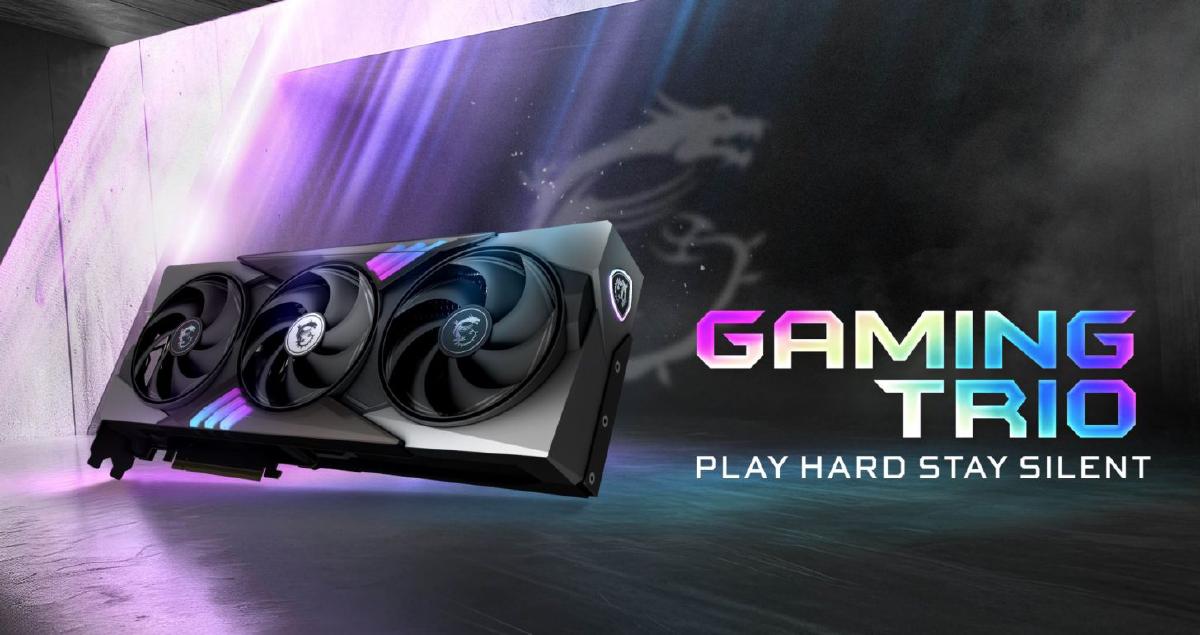
As the tech landscape grapples with persistent supply chain issues, MSI has made a stark prediction for 2026, labeling it as potentially the most challenging year yet for GPU production. In a recent statement, the company expressed concerns over significant shortages in both memory and graphics processing units, which may lead to steep price increases for consumers.
According to MSI, the supply of NVIDIA GPUs has decreased by 20% as manufacturers struggle to meet the growing demand. This supply crunch is particularly pertinent for gamers and content creators, as it could mean paying more for the next generation of GPUs. As first reported by Wccftech, MSI indicated that the price hike could range from 15% to as much as 30%, depending on the model and market conditions.
The ongoing shortages are not isolated to MSI. Over the past few months, both NVIDIA and AMD have been adjusting their pricing models due to fluctuating supply and demand dynamics. While AMD appears to have found some relief with its RDNA 4 GPUs experiencing a slight easing in price, NVIDIA has not been as fortunate. The demand for its RTX 50 series remains robust, prompting the company to raise prices in response to continued market interest.
For consumers, this situation poses a significant challenge. Gamers looking to upgrade their setups or build new systems are now faced with the prospect of higher costs and fewer options. The challenges in sourcing components have made it difficult for manufacturers to keep pace, leading to an overall tightening of the market. MSI is not alone in this struggle, as other GPU manufacturers are also grappling with similar issues, impacting the broader ecosystem.
The ramifications of these developments extend beyond just the price tags on GPUs. As continues to grow, the strain on supply chains could stifle innovation and the release of new titles that demand greater graphical performance. Producers may need to rethink their strategies in the face of rising costs, potentially turning to alternative solutions or waiting for market conditions to stabilize.
As this scenario unfolds, the question remains whether manufacturers can adapt quickly enough to meet both consumer expectations and the realities of production limitations. With demand for high-performance gaming hardware showing no signs of waning, the industry is at a critical juncture.
Looking ahead, gamers will need to keep a close eye on developments as MSI and other companies navigate this challenging landscape. The prospect of price increases may lead many to reconsider their purchase plans or seek alternative routes to obtain the desired hardware without breaking the bank.
In the long run, how manufacturers respond to these challenges could shape the future of PC gaming and hardware availability. As we approach 2026, it’s clear that both gamers and developers will be impacted by the shifting tides of the GPU market.
Founded in 1986, MSI has long been a key player in the gaming hardware space, known for its graphics cards, motherboards, and gaming laptops. The company has consistently focused on delivering high-performance solutions tailored for gamers and content creators alike.
Image credit: Wccftech
This article was generated with AI assistance and reviewed for accuracy.