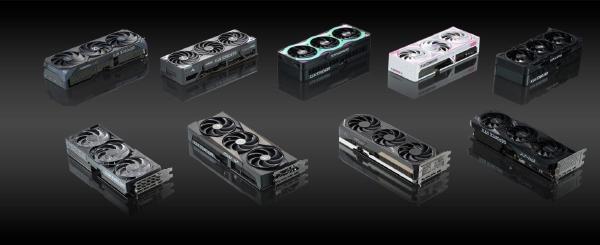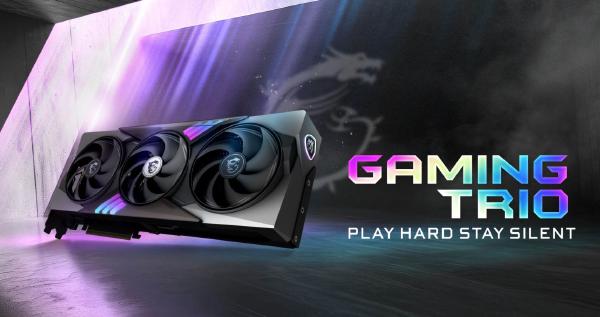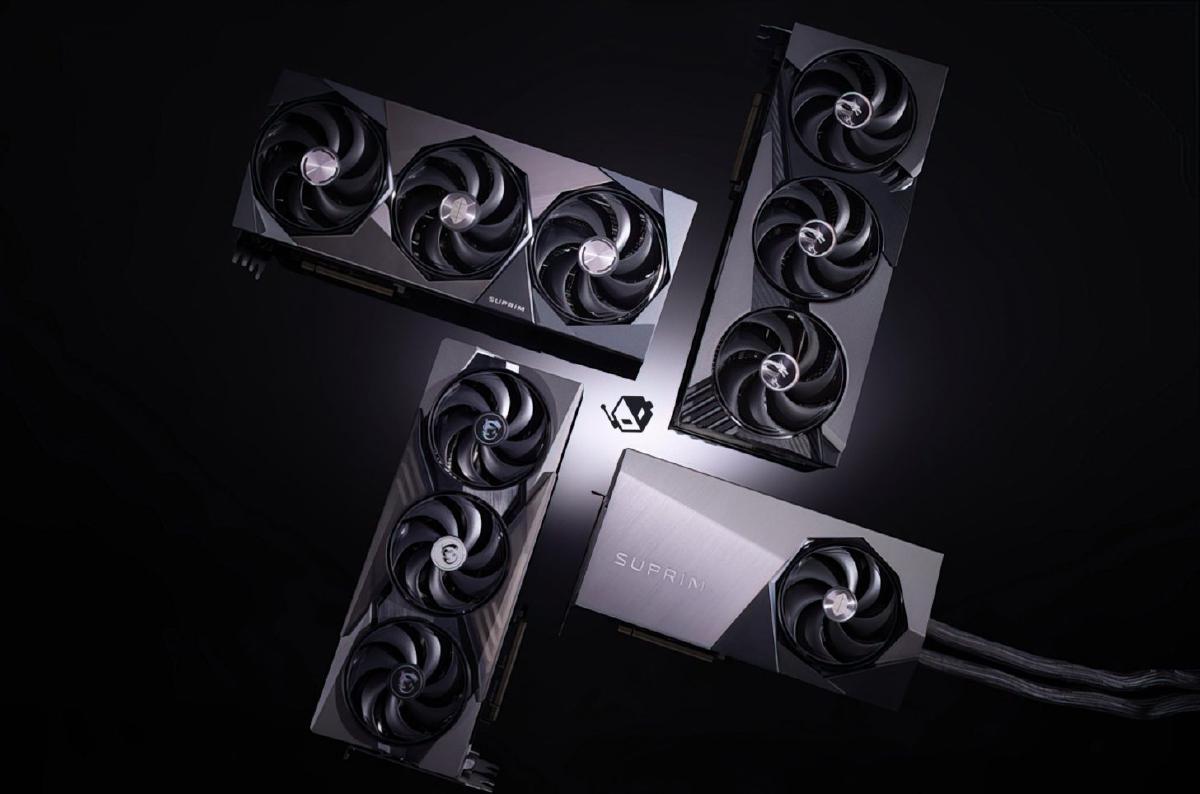
MSI has become the latest NVIDIA add-in board (AIB) partner to increase the prices of its graphics cards, reflecting a significant hike of over 20%. This adjustment comes as ongoing DRAM shortages continue to plague the industry, affecting not only MSI but also other major players like ASUS and Gigabyte. As first reported by Wccftech, this trend is likely to extend beyond China, with US and EU markets expected to face similar price increases in the near future.
The rise in prices follows a series of earlier reports detailing the escalating costs of graphics cards across various brands. Consumers in China, who have already experienced significant spikes in prices, have expressed shock at the current situation. This latest round of increases seems to be a direct response to the continuing supply chain disruptions that have been affecting the electronics industry for several months.
DRAM shortages, primarily caused by a combination of factors including manufacturing challenges and heightened demand from various markets, have put considerable pressure on graphics card manufacturers. The limited availability of memory components has forced manufacturers to adjust their pricing strategies to maintain profitability. As these shortages persist, it is expected that the current price trend will not only continue but may worsen over the coming months.
The implications of these price hikes extend beyond just individual consumers. Gamers and PC builders who have been planning to upgrade their systems or build new rigs may find themselves facing higher costs than anticipated. For many, this could mean postponing purchases, opting for older hardware, or looking for alternatives in a market that has been anything but stable.
As the situation evolves, it is essential for consumers to keep an eye on the market. While MSI is currently leading the way with these price increases, other manufacturers may soon follow suit, further tightening the availability and affordability of high-end graphics cards.
The gaming landscape has been notoriously volatile in recent years, largely due to the pandemic’s impact on supply chains and the insatiable demand for gaming hardware. The current economic climate, coupled with the supply chain issues, has only exacerbated these challenges. Gamers who were hoping for a price correction might have to reconsider their plans as prices remain high and supply struggles to catch up with demand.
MSI, known for its innovative gaming hardware and high-performance graphics cards, has a storied history in the gaming industry. The company’s products are often favored by gamers seeking powerful solutions for demanding applications. However, with the current state of the market, MSI and its competitors face a challenging road ahead.
While the immediate future remains uncertain, it is clear that the ongoing DRAM shortages and the resulting price increases will affect not just the high-end market but also the broader PC gaming ecosystem. For now, gamers and PC builders will need to stay informed and adapt to the changing landscape as they navigate their purchasing decisions in this increasingly challenging environment.
Image credit: Wccftech
This article was generated with AI assistance and reviewed for accuracy.