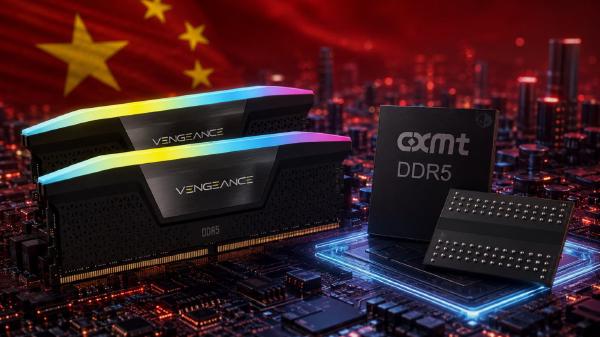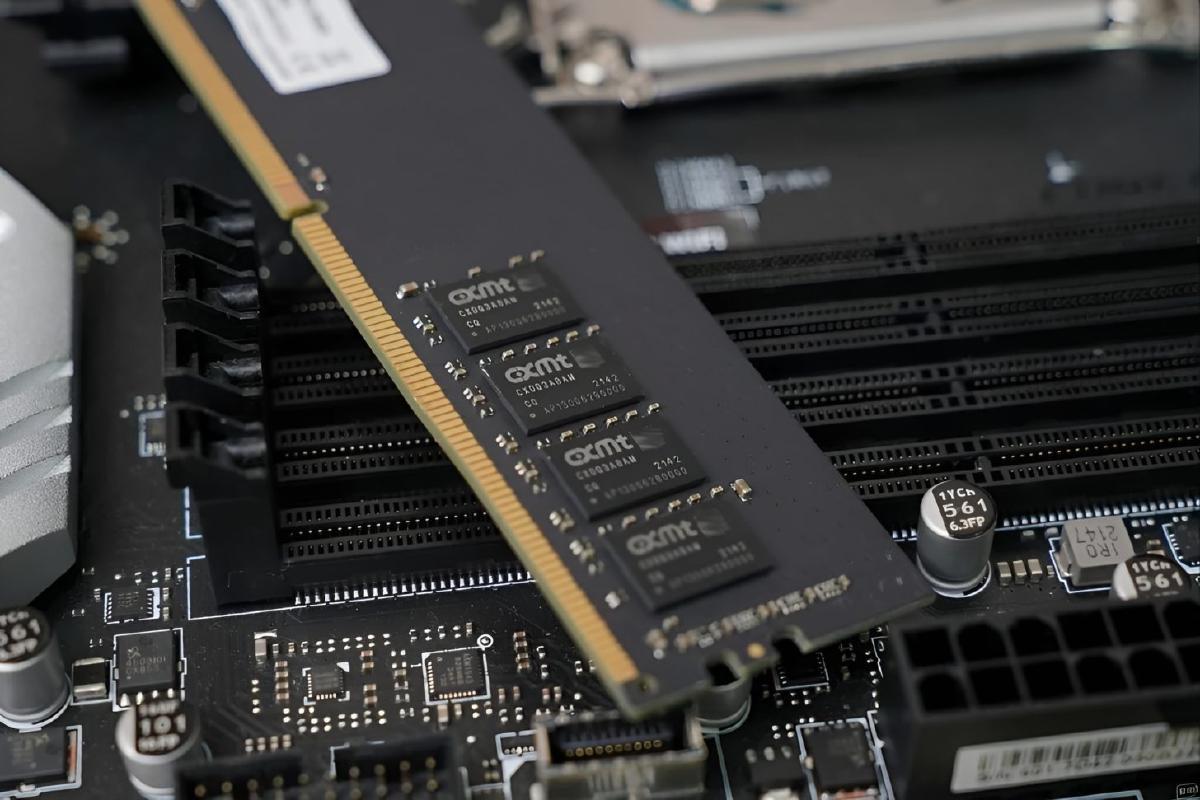
MSI has taken a significant step in the realm of PC hardware by unlocking support for CXMT memory on its AM5 motherboards, as first reported by Wccftech. This development allows users to reach impressive DDR5 speeds of up to 8200 MT/s, marking a substantial improvement from the previous maximum of 6800 MT/s.
This initiative is part of a broader trend in China, where manufacturers are eager to shift away from reliance on foreign brands for their memory needs. By promoting its own domestic memory solutions, China aims to bolster its tech independence and reduce costs associated with overseas DRAM products. CXMT (ChangXin Memory Technologies), China’s leading DRAM manufacturer, is at the forefront of this movement.
As the country accelerates its push towards self-sufficiency, CXMT’s memory products are gradually becoming a preferred choice for local consumers and businesses. While there have been rumors regarding CXMT’s expansion into global markets, the company currently focuses primarily on domestic sales. This shift not only strengthens the local tech landscape but also aligns with national strategies to enhance domestic manufacturing capabilities.
MSI’s support for CXMT memory is a strategic move that reflects a growing recognition of the importance of domestic technology solutions. By integrating this support into their AM5 motherboard BIOS, MSI is empowering users to harness the full potential of CXMT’s high-speed memory. The increased speeds can lead to significant performance improvements, particularly for gamers and professionals who depend on high-performance computing.
The BIOS update is now available for download, allowing users to enhance their systems with this new memory capability. It is a noteworthy moment for PC enthusiasts in China, who can now take advantage of cutting-edge technology that is both cost-effective and locally sourced.
As this trend continues, it will be interesting to observe how other motherboard manufacturers respond to the rise of domestic memory brands. With the tech landscape evolving rapidly, MSI’s move could inspire further innovation and competition within the industry.
In summary, MSI’s unlocking of CXMT memory support on AM5 boards is not just a technical enhancement; it is a reflection of changing dynamics in the global tech market and a strategic pivot towards bolstering China’s domestic capabilities. As memory speeds increase and local brands gain ground, the landscape of PC hardware is set to become even more dynamic.
CXMT is making waves as a significant player in the DRAM market, focusing on high-quality memory solutions tailored to meet the demands of both consumers and businesses alike. This move by MSI showcases the potential for domestic brands to thrive in an increasingly competitive field.
Image credit: Wccftech
This article was generated with AI assistance and reviewed for accuracy.