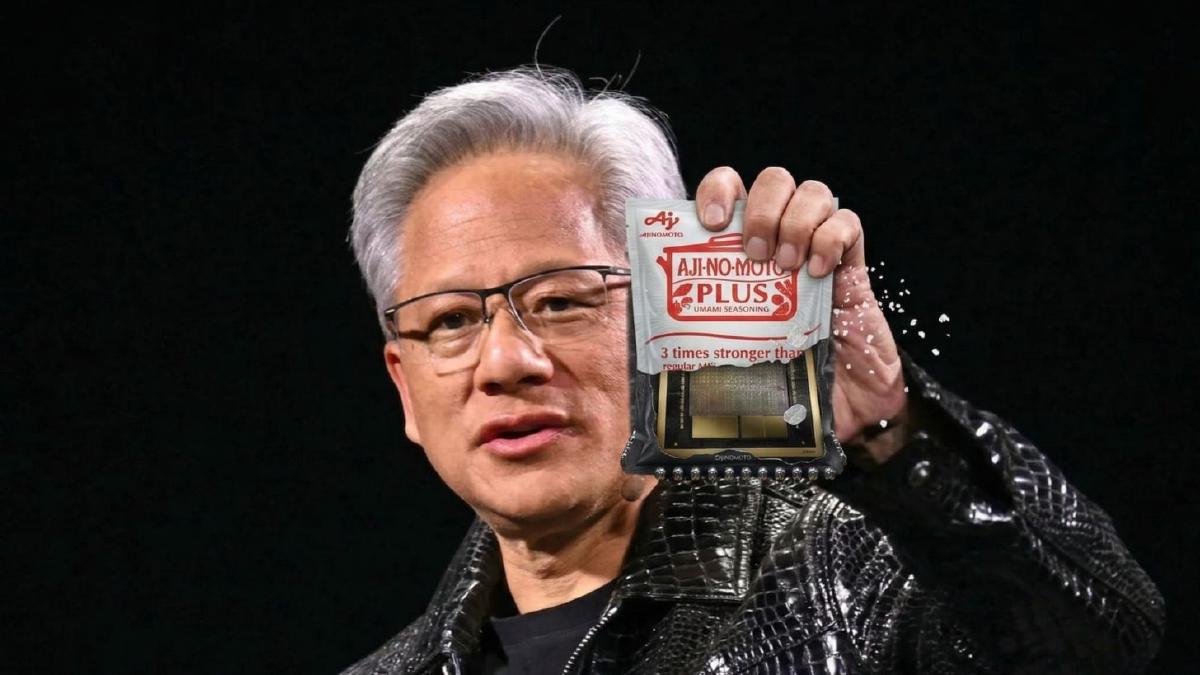
A surprising player is at the center of a critical supply issue impacting the production of AI chips: Ajinomoto, a well-known manufacturer of monosodium glutamate (MSG). This company not only provides flavoring for your favorite foods but also controls the production of an essential material for advanced packaging used in AI chips. As first reported by Wccftech, this shortage underscores the complexities and vulnerabilities of the supply chain amid the booming demand for AI technologies.
The ongoing demand for artificial intelligence has created a ripple effect across various sectors, particularly in semiconductors and advanced packaging. Companies involved in these industries are grappling with shortages that threaten to slow down production timelines and elevate costs. Traditionally, the tech industry has managed its demand cycles through forecasting based on historical data, but the skyrocketing need for AI capabilities has disrupted these established patterns.
Ajinomoto’s connection to the semiconductor market may seem unconventional at first glance. However, the material they produce, Amino Black Film (ABF), is critical for the advanced packaging of microchips. With the AI data center buildout accelerating, manufacturers are scrambling to secure their supplies, putting additional strain on an already fragile system.
Industry analysts have been raising alarms regarding the implications of this situation. The semiconductor industry is notorious for its intricate supply chains, often consisting of numerous components sourced from various global suppliers. The rise of AI has intensified the competition for these materials, making it increasingly difficult to ensure a steady flow. Ajinomoto’s role in this landscape has highlighted how interlinked and dependent sectors can affect each other, with food production intersecting with high-tech manufacturing.
The shortages are not only limited to ABF but extend to several other critical components involved in AI chip production. The demand for these chips has surged as more companies invest in AI technologies, driving up the need for packaging solutions that can meet specific performance and reliability standards. As a result, companies are facing difficult decisions about resource allocation, timelines, and pricing, which could have long-term repercussions for the tech industry.
Recent reports indicate that the shortage of ABF may lead to delays in product releases and increased prices for end consumers. Companies that rely heavily on AI technologies, from cloud service providers to hardware manufacturers, may find themselves hamstrung by these supply constraints. It’s a stark reminder that even the most sophisticated technologies are subject to the same supply chain dynamics that affect everyday consumer goods.
Ajinomoto’s unique position in this landscape raises questions about the broader implications of resource availability and its impact on technological advancement. As industries continue to converge, the intersections between food production and high-tech manufacturing may prompt more companies to reassess their supply chains and consider diversification strategies.
In summary, Ajinomoto’s control over the production of ABF highlights an unforeseen vulnerability in the AI chip supply chain. As demand continues to grow, the repercussions of this shortage could be felt widely across the tech sector, underscoring the need for resilience and adaptability in a rapidly changing environment.
Ajinomoto is a Japanese company that has built its reputation primarily on food production, but its foray into high-tech materials reflects the evolving landscape where traditional industries increasingly overlap with advanced technology sectors.
Image credit: Wccftech
This article was generated with AI assistance and reviewed for accuracy.