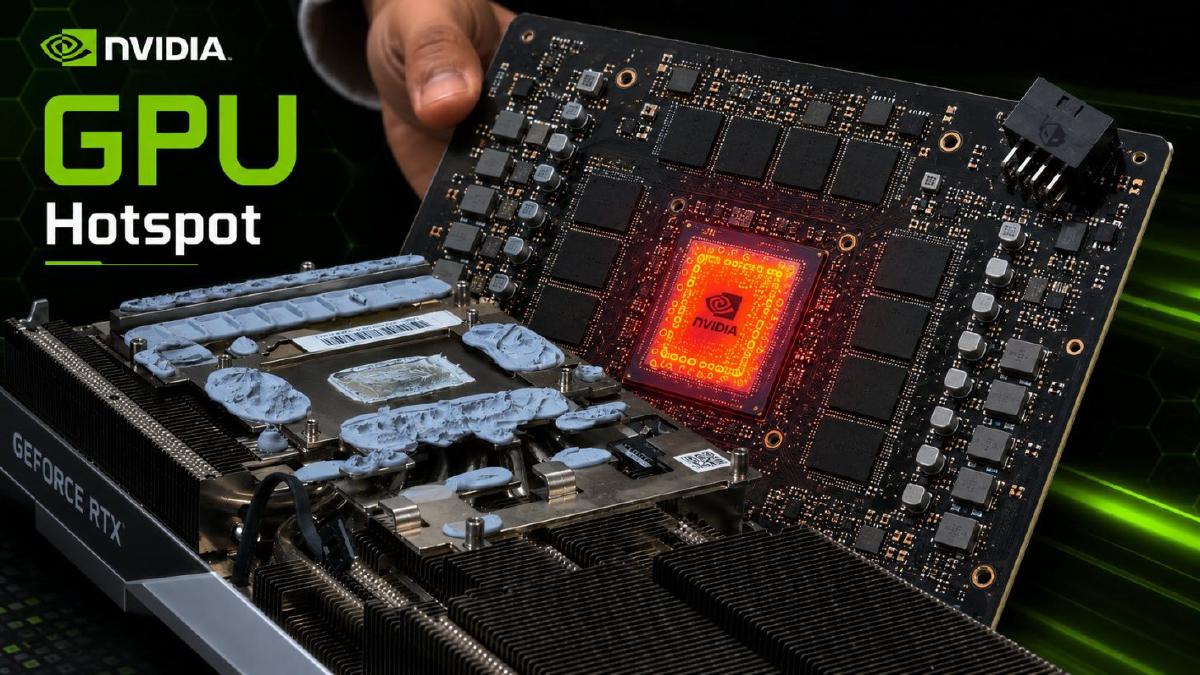
In a surprising turn of events, modders have managed to unlock the GPU hotspot temperature measurement for NVIDIA’s RTX 50 series graphics cards. This development sheds light on potential thermal issues that may be causing these GPUs to underperform during demanding gaming sessions. As first reported by Wccftech, the RTX 50 “Blackwell” generation has seen a troubling omission in its thermal monitoring capabilities, raising concerns among PC gamers and enthusiasts alike.
NVIDIA’s decision to prioritize average temperature readings over GPU hotspot measurements has left many users in the dark about their cards’ true thermal performance. The hotspot measurement, which provides insight into the hottest areas of the GPU, was notably absent in the RTX 50 series, leading to inaccurate readings in essential diagnostic tools. Programs such as HWMonitor and HWiNFO, which gamers rely on to monitor their GPU’s health, have been reporting misleading information due to this omission.
This issue was brought to light by the GPU-Z developers and TechPowerUp, who noted that the removal of hotspot sensors has severely impacted users’ ability to troubleshoot thermal throttling problems. Many users have reported experiencing lower performance when pushing their GPUs to the limit, especially during resource-intensive gaming sessions. With the hotspot data unlocked by modders, the community can now better understand their hardware’s thermal behavior and address potential cooling issues more effectively.
The implications of this unlocking are significant for gamers. Players who invest in high-end GPUs expect optimal performance, and any thermal throttling can be frustrating. The RTX 50 series has already faced scrutiny for its performance levels, especially when compared to its predecessors. By revealing the hotspot temperatures, modders are empowering users with the knowledge to make informed decisions about their cooling solutions.
While the modding community has showcased its ingenuity once again, it raises questions about NVIDIA’s transparency regarding its hardware. Gamers deserve to know the full picture when it comes to their investments. Lack of access to crucial data can lead to dissatisfaction and confusion, particularly when users are troubleshooting performance issues.
NVIDIA’s RTX 50 series, which was designed to cater to gamers looking for cutting-edge technology, must address these concerns head-on. By ignoring the hotspot measurement, the company may have inadvertently placed its users at a disadvantage, but the modding community’s efforts are proving that passionate users can drive change.
As we move forward, it will be interesting to see how NVIDIA responds to these revelations from the modding community. Will they reinstate the hotspot measurement in future driver updates, or will they double down on their current approach? For now, gamers have a powerful new tool at their disposal that can help them optimize their systems and enhance their gaming experiences.
NVIDIA has been a leading player in the graphics card market, known for pushing the envelope with each new generation. The RTX 50 series, named after the famous physicist Robert Blackwell, was anticipated for its blend of power and efficiency. Despite its promise, the recent thermal revelations remind us that even the most advanced technology can have its pitfalls.
As the community rallies around this new knowledge, we can expect to see continued discussions about performance optimization and user experience. This is a reminder of the importance of transparency in the hardware industry and the vital role that modders and independent developers play in holding companies accountable.
Image credit: Wccftech
This article was generated with AI assistance and reviewed for accuracy.