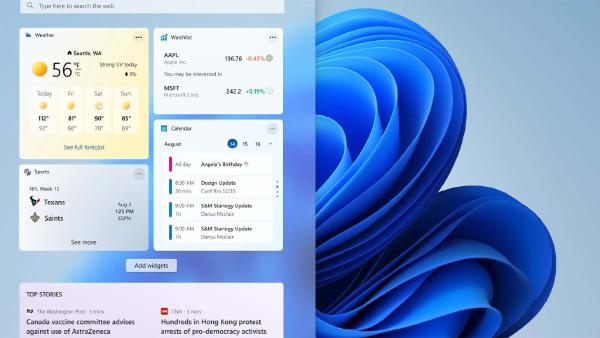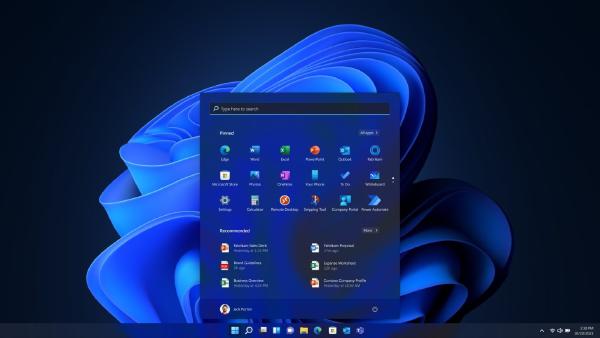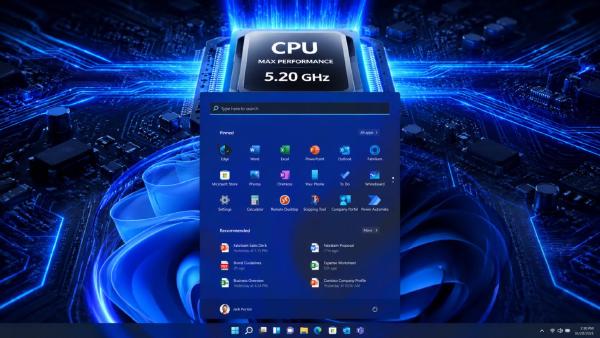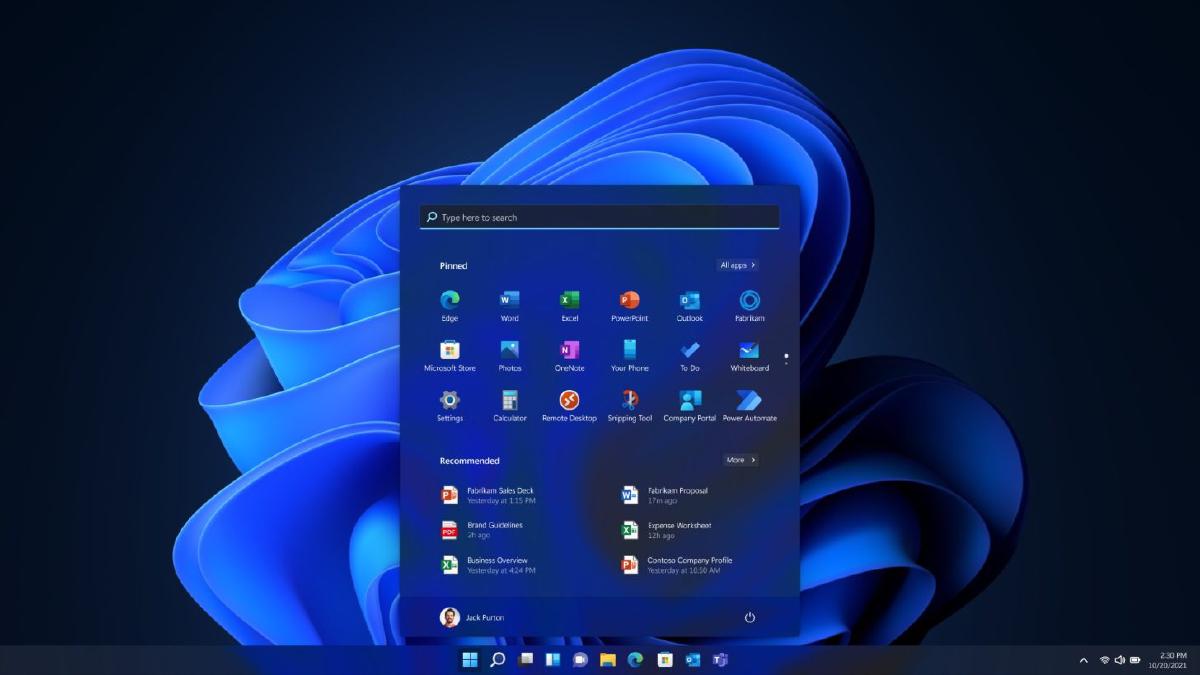
Microsoft has made its stance clear regarding the aesthetic direction of Windows 11, specifically concerning the much-discussed Liquid Glass transparency slider. As first reported by Wccftech, the company has no plans to integrate such a feature, which has garnered attention as a popular customization tool in Apple’s interface.
Mark Rogers, Microsoft’s Partner Director of Design, confirmed that Windows 11 will not include additional customization options that allow users to modify the operating system’s appearance through features like the transparency slider. This decision seems rooted in a desire to maintain a cohesive and streamlined user experience, as Rogers explained that such alterations could complicate the overall design philosophy of Windows.
However, Rogers did not completely close the door on the idea of future updates. While immediate plans do not include adopting the Liquid Glass aesthetic, he left room for the possibility of such features being introduced under specific conditions down the line. This hint suggests that while Microsoft currently prioritizes stability and simplicity, they are not entirely dismissive of user interface enhancements in the future.
For those eager to customize their Windows 11 experience, third-party tools remain available. Various applications and software allow users to tweak visual aspects of their systems, which may be a significant factor in Microsoft’s reluctance to implement built-in transparency features. By relying on external solutions, Microsoft can maintain a standard interface while still accommodating users who crave personalization.
This news intersects with a broader conversation about user interface design in the tech industry. As companies like Apple continue to innovate with visually appealing interfaces, Microsoft’s approach reflects a commitment to functionality over flair. This strategy has its advocates, as many users prefer an operating system that prioritizes performance and stability over aesthetic customization.
As discussions about user interface and design continue to evolve, the pressure on Microsoft to keep up with competitors remains palpable. While the immediate future of Windows 11 does not include a Liquid Glass transparency slider, the landscape of tech is always shifting. Microsoft’s commitment to user experience will surely shape its decisions regarding future updates.
The dialogue surrounding interface customization is particularly relevant as more users seek ways to make their systems feel personal and tailored. As technology advances, the demand for aesthetic flexibility in operating systems is only likely to grow. How Microsoft chooses to respond to these trends will be pivotal in shaping the next steps for Windows 11.
Founded in 1975, Microsoft has been a dominant force in the tech industry, continuously adapting its products to meet the needs of consumers. Windows 11, released in October 2021, aims to combine a modern design with the reliability users expect from the operating system. Although the transparency slider may not be included, the evolution of Windows will undoubtedly reflect the ongoing conversations around user preference and interface innovation.
Image credit: Wccftech
This article was generated with AI assistance and reviewed for accuracy.