Micron Technology has announced a substantial investment of $250 million, a move that coincides with ongoing legal challenges surrounding the DRAM industry. The U.S. federal class-action lawsuit has recently grouped Micron with competitors Samsung and SK Hynix, alleging collusion in manipulating DRAM prices, which has contributed to a significant shortage in the market.
As first reported by Wccftech, this investment appears to be aimed at mitigating potential fallout from the lawsuit. By allocating these funds to initiatives associated with the Trump administration, Micron may be attempting to navigate the legal landscape more favorably. This tactic mirrors earlier strategies employed by major corporations, such as Apple, that have made substantial contributions to influence regulatory and legal outcomes.
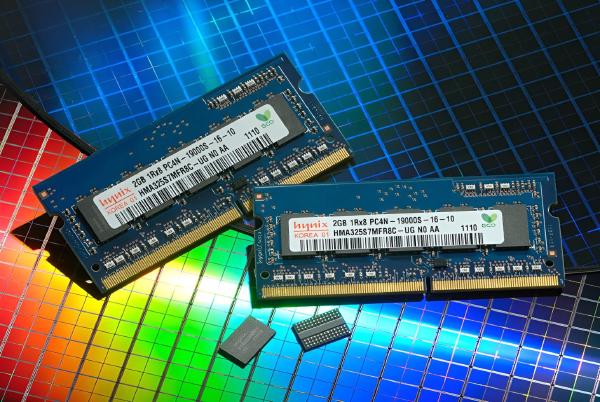
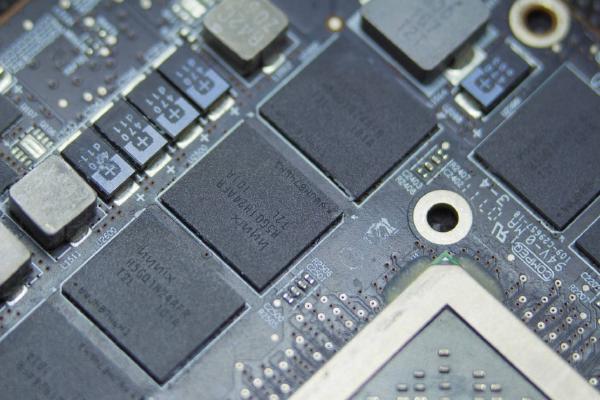
The ongoing lawsuit alleges that these memory manufacturers engaged in anti-competitive practices that have led to inflated prices for DRAM, which is critical for various computing applications. The lawsuit highlights how the collusion among the manufacturers has had a negative impact on both consumers and businesses that rely on affordable memory solutions.
In recent years, the DRAM market has faced volatile pricing, with some manufacturers reportedly forced to sell their products at prices significantly lower than their production costs. This fluctuation has been especially pronounced in the wake of the pandemic, where the demand for memory in devices such as PCs and gaming consoles surged, exacerbating the supply constraints.
Micron’s investment is not solely about appeasing political figures; it also reflects a broader strategy to enhance its public image and solidify its standing in the memory market. By targeting initiatives that benefit children, Micron is likely aiming to improve its reputation, showcasing its commitment to social responsibility. This can be crucial for a company under scrutiny and seeking to mitigate negative perceptions that might arise from the lawsuit.
Furthermore, the implications of this investment extend beyond legal strategy; they also touch on the ongoing challenges within the semiconductor supply chain. As demand continues to rise, ensuring a stable supply of DRAM is vital for numerous industries, including gaming, where performance hinges on memory efficiency.
The outcome of the lawsuit could have far-reaching effects, not just for Micron, Samsung, and SK Hynix, but for the entire electronics ecosystem. If the allegations hold merit, the implications might lead to stricter regulations and oversight in the memory sector, potentially altering the competitive landscape.
Micron’s strategic investment appears to be an attempt to navigate this turbulent period while also recognizing the critical importance of public perception in today’s interconnected market. As the legal proceedings progress, all eyes will be on how these moves impact not just the companies involved, but also the consumers relying on their products.
Micron Technology, founded in 1978, is a leader in memory and storage solutions, supplying essential components for a wide array of devices. The company has historically played a crucial role in the semiconductor industry, particularly in providing DRAM and NAND flash memory used across various computing platforms.
Image credit: Wccftech
This article was generated with AI assistance and reviewed for accuracy.