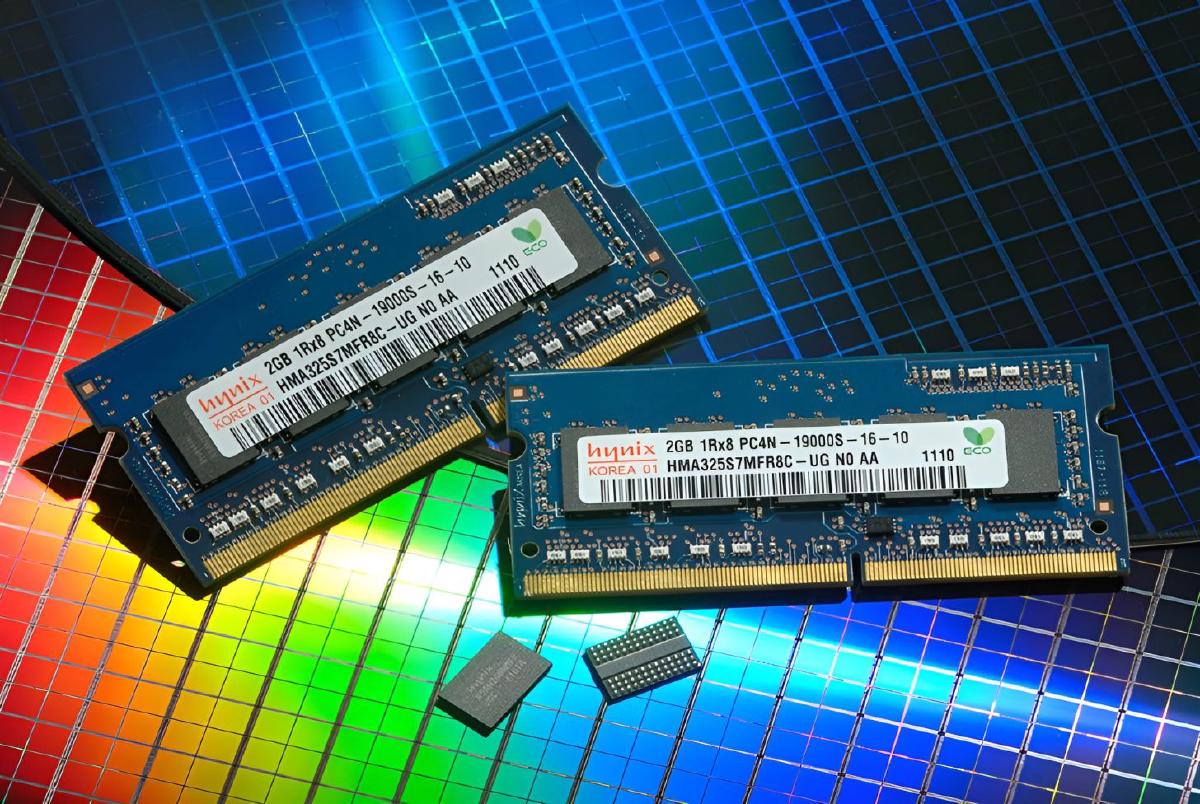
The ongoing memory supply crisis is taking a new turn, as major technology companies are increasingly opting for multi-year contracts with DRAM suppliers. This shift, as first reported by Wccftech, indicates that firms like Samsung and Micron are taking proactive measures to secure supply chains amid soaring demand. The implications of these agreements suggest that memory shortages may persist through the end of the decade.
Recent reports indicate that the appetite for memory products among large tech companies has reached unprecedented levels. The surge in demand, driven by advancements in artificial intelligence, cloud computing, and gaming technologies, has prompted hyperscalers,companies that operate vast data centers,to lock in long-term supply agreements. While such arrangements are unconventional in the memory industry, they reflect a strategic pivot that could have lasting impacts on the market.
Notably, these long-term contracts are not just a safeguard for tech giants; they carry significant financial commitments, with billions of dollars at stake. By securing supplies in advance, companies like Amazon, Google, and Microsoft are looking to avoid the pitfalls of supply chain disruptions that have plagued the tech sector in recent years. This approach is indicative of a broader trend towards vertical integration, where companies seek to gain control over their supply chains to ensure stability and predictability.
Samsung and Micron’s willingness to engage in these contracts suggests they anticipate sustained high demand for DRAM products. The memory market has been characterized by volatility, with supply outpacing demand during certain periods and vice versa at others. By committing to long-term partnerships, both suppliers and tech companies aim to smooth out these fluctuations and create a more predictable business environment.
However, this move raises questions about the future availability of DRAM products for other sectors. As Big Tech secures substantial portions of supply, smaller companies and other industries may find themselves squeezed. The long-term contracts could exacerbate existing shortages, leading to increased prices and diminished availability for essential components in consumer electronics and gaming systems.
The ramifications of this trend extend beyond just the tech giants themselves. For the gaming industry, heightened memory costs could translate into higher prices for consoles and GPUs. Systems like the Xbox Series X and the latest gaming PCs could see price increases as manufacturers pass on rising costs to consumers. The implications for game developers are similarly concerning, as the availability of memory resources may hinder their ability to push the boundaries of gaming experiences.
As the memory supply landscape evolves, it’s crucial for stakeholders across the tech spectrum to adapt to these shifts. Companies will need to evaluate their production plans and strategies for sourcing components to remain competitive in an increasingly constrained market. The long-standing belief that memory shortages were a temporary issue may need to be reassessed, as the new normal could involve prolonged shortages impacting multiple sectors.
In summary, the transition towards long-term supply contracts among big tech firms signals a significant adjustment in the memory market. This strategy, designed to secure stable supply amid soaring demand, may have lasting effects on pricing and availability across various industries. Stakeholders will need to keep a close eye on these developments as they work to navigate the complexities of the evolving landscape.
The memory industry is vital for a range of applications, from cloud computing to gaming, making these developments crucial not just for big tech but for consumers and developers alike. Companies like Samsung and Micron play essential roles in this space, driving the technology that powers modern digital experiences.
Image credit: Wccftech
This article was generated with AI assistance and reviewed for accuracy.