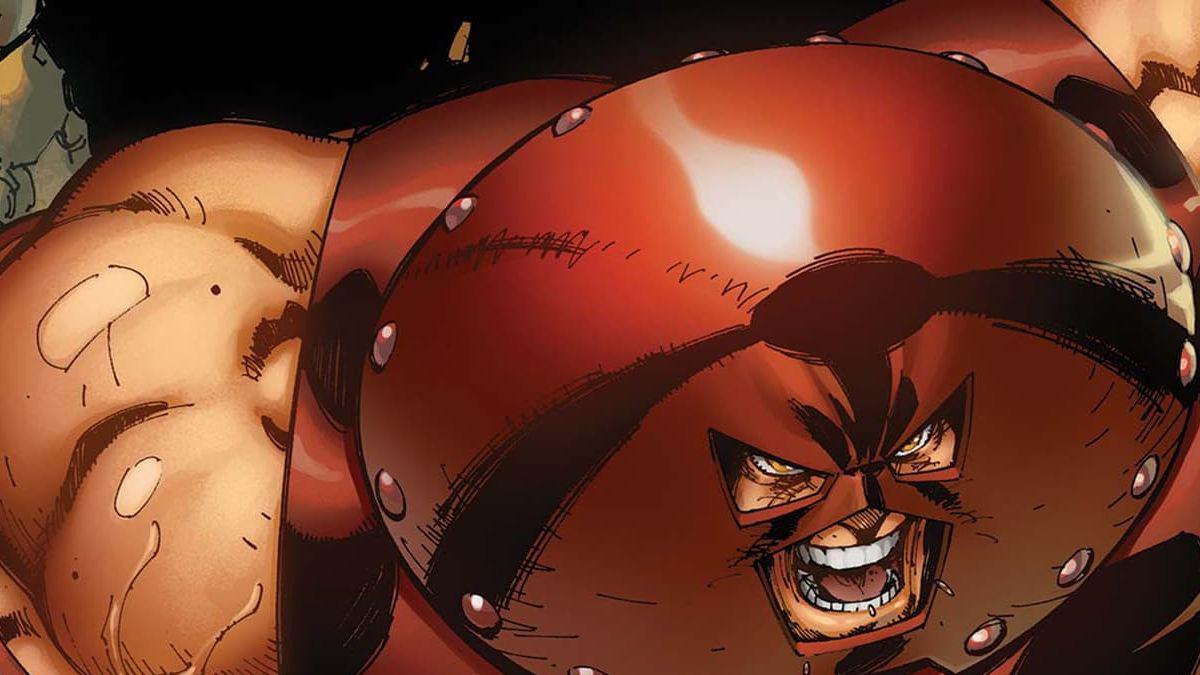
In an intriguing revelation regarding the development of fighting games, Marvel’s insistence that their iconic character Juggernaut should not be able to jump posed significant challenges for Capcom. As first reported by PC Gamer, this restriction created a unique set of gameplay hurdles during the character’s integration into Capcom’s renowned fighting titles.
Juggernaut, a behemoth of a character in the Marvel universe, is known for his immense strength and durability. However, his portrayal in video games has often been a balancing act between staying true to the source material and ensuring engaging gameplay mechanics. Capcom’s designers faced a particularly tough situation with Juggernaut’s jumping abilities, which are a staple in most fighting games.
The crux of the problem lies in the fact that traditional fighting games thrive on mobility, with jumping providing players critical options for both offense and defense. By imposing such a stringent limitation on Juggernaut, Capcom had to find alternative ways to represent his formidable presence without compromising gameplay mechanics. The character had to be designed to retain his iconic traits while ensuring that players still enjoyed a balanced and dynamic fighting experience.
While Juggernaut is recognized for his staggering power, limiting his ability to jump forced Capcom’s developers to innovate. They had to emphasize other attributes, such as ground-based attacks and unique movement patterns that encapsulated Juggernaut’s character without detracting from the overall flow of gameplay. This led to creative solutions, including powerful ground slams and charge attacks that allowed Juggernaut to maintain his intimidating persona while still being effective in matches.
The challenge also highlights the broader relationship between game developers and licensers. In this case, Marvel’s stipulations shaped not just how Juggernaut is portrayed but also influenced the gameplay mechanics of the fighting game genre as a whole. Balancing authentic representation of characters with engaging gameplay remains a recurring theme in video game development, especially when adapting material from established franchises.
In response to the limitations imposed, Capcom’s developers have continuously demonstrated their ability to adapt. Juggernaut’s presence in games like “Marvel vs. Capcom” showcases how they managed to create a character who resonates with fans while still fitting into the strategic framework necessary for competitive play.
This incident with Juggernaut is just one of many examples of how the intricacies of character development can lead to unexpected challenges in game design. As developers continue to work with established intellectual properties, the balance between fidelity to source material and robust gameplay will remain an ongoing dialogue in the industry.
Capcom has long been at the forefront of fighting game development, with franchises like “Street Fighter” and “Marvel vs. Capcom” setting benchmarks for the genre. As they navigate the complexities of licensing and character creation, the lessons learned from Juggernaut’s unique development story only add to their storied legacy in the gaming world.
Image credit: PC Gamer
This article was generated with AI assistance and reviewed for accuracy.