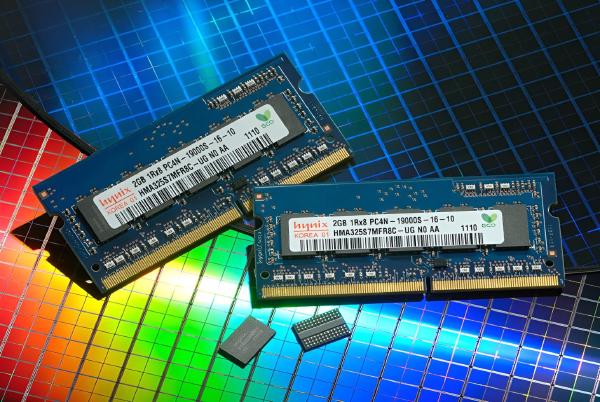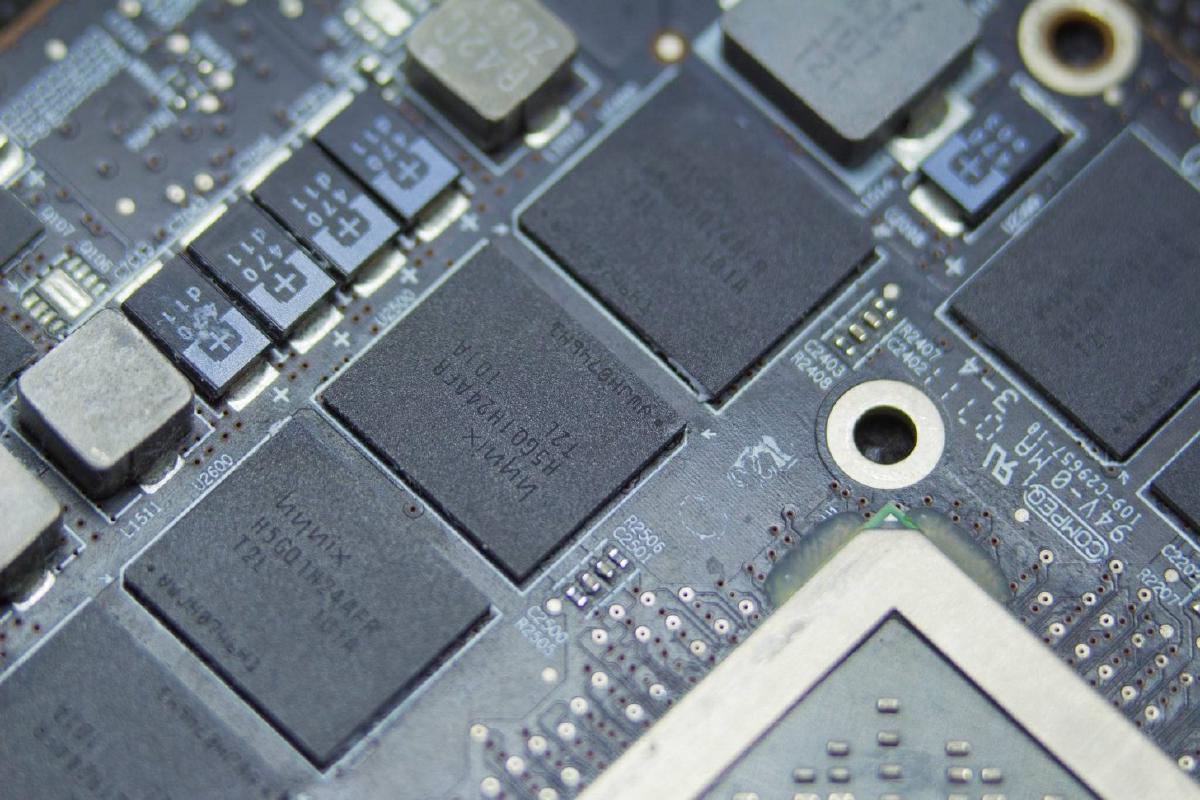
In a recent update, Lenovo has sounded the alarm bell for gamers and developers alike, asserting that high memory prices are likely to be the new standard for the foreseeable future. As first reported by Wccftech, the tech giant outlined a sobering survival guide in light of the ongoing “RAMageddon,” a term that encapsulates the dire memory shortage crisis affecting the industry.
According to Lenovo, the prices for DRAM and NAND memory components are not expected to return to the pre-crisis levels of early 2025, emphasizing that these elevated costs may persist well beyond the year 2030. The warning comes amid an escalating supply-demand gap, which has resulted in significant challenges for major players in the tech market.
Leading memory manufacturer Micron has echoed these concerns, admitting that they are unable to keep pace with demand even for their most strategic customers. This situation is compounded by industry stalwarts like Samsung and SK Hynix, who have also signaled that the memory shortage is worsening. The implications for gamers and smaller developers are significant, as high memory costs can lead to increased prices for gaming PCs and consoles, as well as potential delays in game development.
The challenges posed by these supply chain issues are particularly acute for indie developers, who typically operate on tighter budgets and rely heavily on affordable hardware to bring their creative visions to life. As memory prices continue to rise, the financial strain could hinder innovation and prevent emerging studios from competing in an already crowded market.
Lenovo’s insights highlight a critical issue that could reshape the landscape of gaming and technology for years to come. The company is advocating for strategies that could help navigate this challenging environment, urging developers to consider how memory needs might evolve and adapt over time.
By emphasizing the importance of resilience and adaptability, Lenovo aims to provide guidance to developers facing these unprecedented challenges. Whether it’s through optimizing existing resources or exploring alternative technologies, the company encourages a proactive approach to tackle the rising costs of memory.
As the situation unfolds, gamers and developers will need to keep a close eye on these trends. Understanding how memory prices impact everything from hardware purchases to game development timelines will be crucial in making informed decisions.
In an industry that thrives on innovation and creativity, the looming specter of high memory prices could serve as both a challenge and a catalyst for change. Developers may need to rethink their approaches, potentially leading to new technologies or alternative solutions that could mitigate the impact of these rising costs.
With constantly evolving, it’s essential for both players and creators to stay informed about how external market forces can shape their experiences and opportunities. The memory shortage might be a tough hurdle to overcome, but it can also inspire fresh ideas and inventive solutions that drive the industry forward.
As we look to the future, the ongoing dialogue about memory pricing and availability will continue to be a critical topic for both established entities and the indie scene. The situation is fluid, and while the outlook may appear grim, history has shown that challenges in the tech world often pave the way for unexpected innovations and breakthroughs.
Lenovo, a prominent name in the technology sector, has been a driving force in PC innovation and is committed to supporting developers and gamers as they navigate this new reality.
Image credit: Wccftech
This article was generated with AI assistance and reviewed for accuracy.