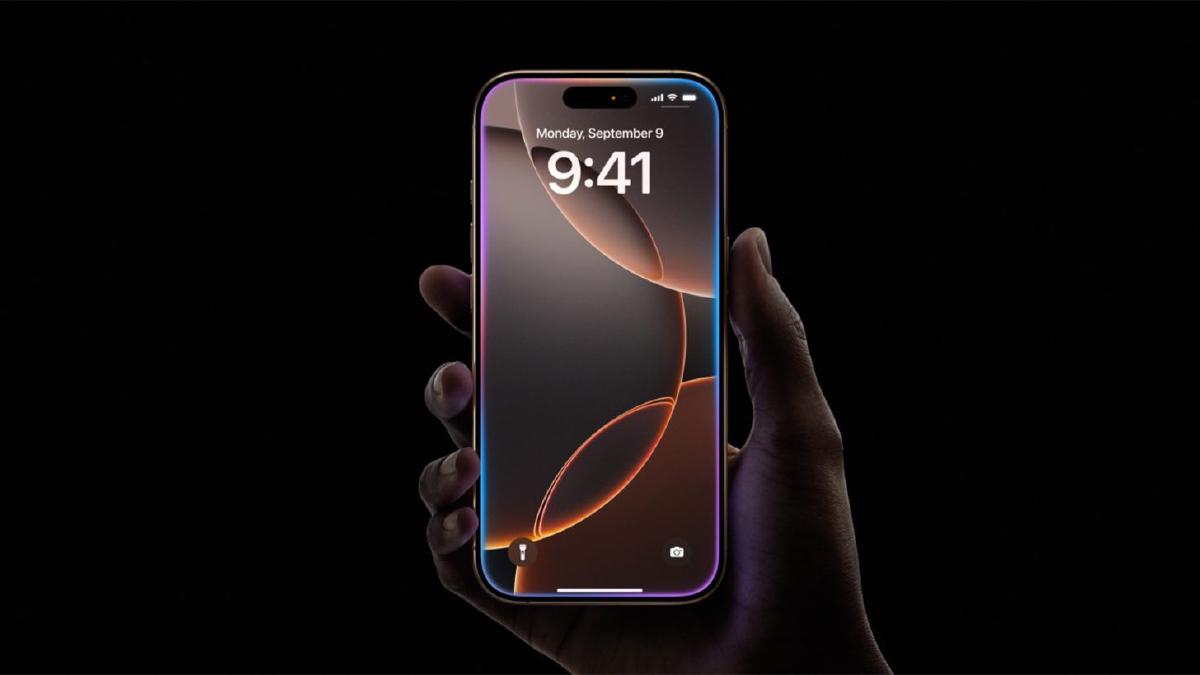
As Apple’s product lineup gears up for a significant launch later this year, the tech giant’s shift towards Korean display manufacturers illuminates a stark contrast to its Chinese counterparts. This development indicates a major win for companies like Samsung and LG, which are set to provide 100 percent of the OLED displays for the upcoming iPhone 18 Pro and iPhone 18 Pro Max models, as first reported by Wccftech.
The iPhone 18 series is poised to be a pivotal release for Apple, likely driving record sales and providing substantial revenue opportunities for its suppliers. With this launch, both Samsung and LG have positioned themselves to not only supply OLED panels but also reinforce their reputations as reliable manufacturers within the competitive landscape of mobile technology.
In contrast, China’s BOE, which had previously appeared to be a strong contender for Apple’s OLED contracts, has again missed out. Despite several chances to secure these lucrative orders, BOE has been unable to meet the stringent quality requirements set forth by Apple. This failure highlights ongoing challenges within the Chinese manufacturing sector, particularly in the realm of advanced display technology.
For Apple, partnering with established brands such as Samsung and LG offers a dual advantage: it ensures top-tier display quality and strengthens their supply chain against future disruptions. The OLED technology used in the iPhone 18 models is expected to enhance display performance significantly, delivering richer colors and improved energy efficiency, both crucial for maintaining Apple’s edge in the smartphone market.
The implications of this partnership extend beyond just the iPhone 18. As Apple continues to expand its product offerings, the reliance on Korean manufacturers for displays may set a precedent for future collaborations. With the growing demand for OLED technology in various devices,including tablets and wearables,Samsung and LG stand to benefit greatly from their exclusive contracts.
A deeper look into the manufacturing capabilities reveals that while BOE has made advances in display technology, its inconsistent quality and failure to meet Apple’s high standards have hindered its progress in gaining substantial contracts. Samsung and LG have demonstrated a solid track record of manufacturing excellence, which likely played a decisive role in Apple’s decision-making process.
As the tech landscape evolves, the competitive dynamics between countries in the display manufacturing sector are becoming increasingly clear. The growing reliance on Korean firms for OLED technology puts pressure on Chinese manufacturers to innovate or risk falling behind. This trend could have far-reaching implications not only for Apple but also for the global smartphone market at large.
In summary, Apple’s decision to partner exclusively with Samsung and LG for the iPhone 18 series OLED displays signals a significant shift in supply chain dynamics. As China grapples with ongoing challenges in securing high-stakes contracts, Korean suppliers are seizing the opportunity to solidify their positions in the market.
Apple, founded in 1976, is a leading technology company known for its innovative products, including the iPhone, iPad, and Mac. Samsung and LG, both South Korean giants, have long been influential players in the display manufacturing sector, particularly in OLED technology.
Image credit: Wccftech
This article was generated with AI assistance and reviewed for accuracy.