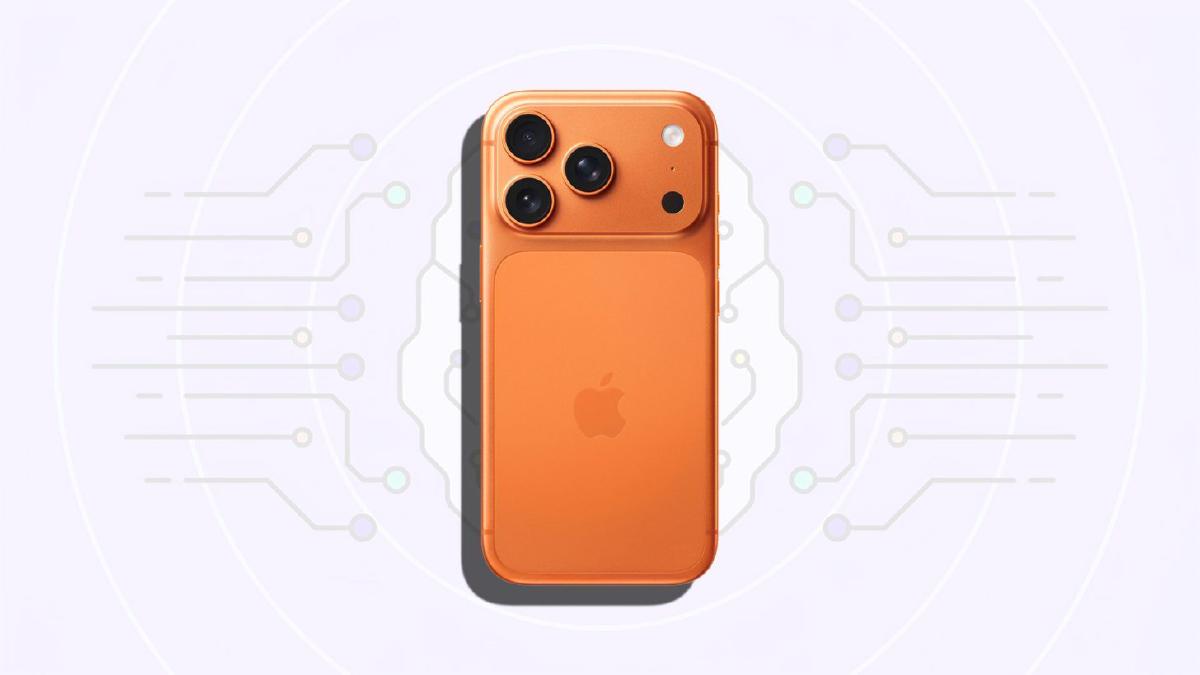
Recent developments in mobile technology have taken a surprising turn, as the iPhone 17 Pro has been showcased running a large language model (LLM) with 400 billion parameters. This is a significant feat considering that even compressed versions of such models typically require a staggering minimum of 200GB of RAM. As first reported by Wccftech, the demonstration has sparked interest and discussion about the capabilities of modern smartphones and their evolving hardware.
Running a model of this magnitude on a mobile device is no small task. Traditionally, such LLMs are confined to high-end workstations or cloud computing environments because of the extensive memory and processing power they demand. The iPhone 17 Pro, while equipped with Apple’s latest A17 Pro chip, was not initially seen as a candidate for such resource-intensive applications.
The demonstration, however, revealed that with some ingenuity and clever optimizations, the iPhone 17 Pro could indeed handle this challenge. The user behind the demonstration managed to execute the model locally on the device, showcasing Apple’s engineering prowess and the potential of mobile hardware. While specific details of the techniques employed have not been fully disclosed, it appears that the performance relied on both software optimizations and potentially some form of memory management to accommodate the significant demands of the LLM.
The implications of this demonstration are noteworthy. It highlights not just the raw power of the A17 Pro chip, but also the advancements in mobile architecture that allow for such complex computations. Apple has consistently pushed boundaries with its mobile devices, and this latest achievement serves as a testament to their commitment to performance and innovation.
As mobile applications continue to integrate more sophisticated artificial intelligence features, the ability to run complex models directly on devices could provide significant advantages. It may allow for faster processing times, enhanced privacy by keeping data local, and reduced reliance on cloud resources, which can be subject to latency and bandwidth issues.
While the iPhone 17 Pro’s ability to handle a 400 billion parameter model is impressive, it is important to recognize that such feats are not typically practical for everyday use. The demands placed on the device during this operation would likely lead to thermal throttling and battery drain, reducing the viability of extended use. Nevertheless, this successful demonstration expands the horizons for what mobile hardware can achieve and sets a precedent for future devices.
Apple’s ongoing innovation in mobile technology is evident in its ability to push the limits of what users can expect from smartphones. The iPhone 17 Pro, equipped with cutting-edge hardware and software optimizations, marks a significant step in the evolution of mobile computing. As developers continue to explore and leverage these capabilities, we may see even more ambitious applications of machine learning and AI in the mobile space.
In summary, the iPhone 17 Pro’s recent demonstration of running a 400 billion parameter language model showcases the powerful potential of modern mobile hardware and sets the stage for future advancements in mobile AI applications. As technology continues to evolve, we can expect to see more groundbreaking achievements that challenge our understanding of what mobile devices can accomplish.
Image credit: Wccftech
This article was generated with AI assistance and reviewed for accuracy.