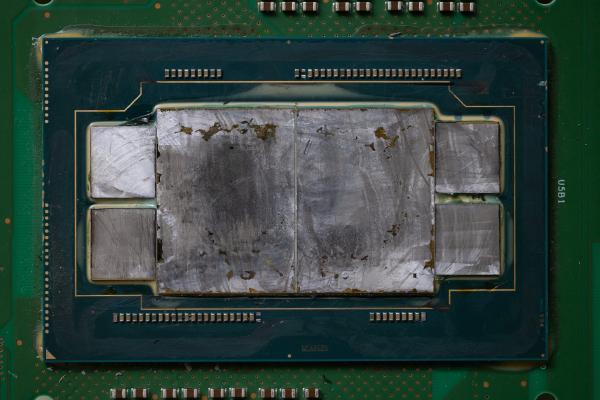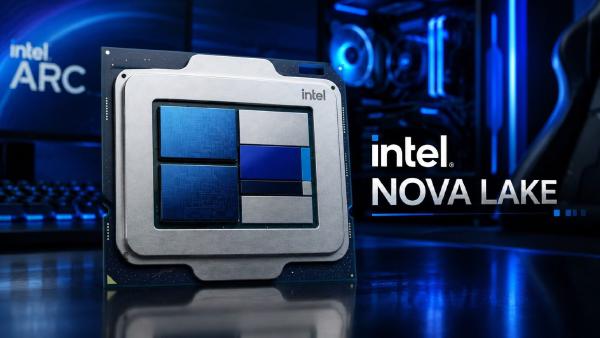
Intel is set to unveil its next-generation mainstream Xeon CPU lineup, codenamed Dunlow, which will utilize the Nova Lake-S architecture. As first reported by Wccftech, this new lineup promises impressive specifications, including configurations that support up to 28 cores while maintaining a power envelope of 95 watts. This marks a considerable evolution from the last mainstream Xeon family, which was based on the Raptor Lake architecture and featured only up to 8 cores in the Xeon E-2400 series.
The Dunlow platform represents a significant leap forward for Intel’s Xeon range, which has been relatively stagnant in the desktop sector. While the company did roll out the Bartlett Lake-S chips, they are not classified as Xeons and were tailored for edge computing applications. Thus, the introduction of Nova Lake-S CPUs is particularly anticipated, as they will cater to mainstream users seeking robust performance.
The architectural enhancements of Nova Lake-S are designed to improve both single-threaded and multi-threaded workloads, making these CPUs suitable for a variety of applications, from gaming to professional content creation. The increase in core count will allow users to handle demanding tasks with greater efficiency. With 28 cores, the new Xeon lineup could potentially compete more directly with AMD’s offerings, which have gained significant traction in recent years.
Heat management is another aspect of interest, particularly given the 95W TDP rating. Intel appears to be focusing on balancing performance with thermal output, a crucial factor for users looking to build or upgrade their systems without requiring excessive cooling solutions. This could make the Dunlow CPUs appealing to a wider range of users, including those in the workstation segment as well as gamers who might leverage the cores for multitasking and streaming.
Intel’s existing Xeon E-2400 series, based on Raptor Lake, has been a reliable, albeit limited option, particularly for users who prioritize stability and longevity over extreme performance. The jump to the Dunlow platform signifies a clear response to the evolving needs of both consumers and industry professionals, who increasingly demand higher performance for diverse applications.
Overall, the upcoming release of the Nova Lake-S Xeon CPUs on the Dunlow platform is expected to reignite interest in Intel’s Xeon line, especially as it prepares to compete against AMD’s Ryzen Threadripper and EPYC series. As the launch approaches, details regarding performance benchmarks and socket compatibility are awaited, which will further clarify how these new processors will fit into the current market landscape.
Intel has historically been a leader in the CPU space, with its Xeon line serving critical functions in enterprise environments. The introduction of the Dunlow platform is poised to bolster that legacy, offering enhanced capabilities and performance enhancements that could attract a broader audience. With these advancements, Intel aims to solidify its position as a go-to choice for high-performance CPUs across various sectors.
Image credit: Wccftech
This article was generated with AI assistance and reviewed for accuracy.