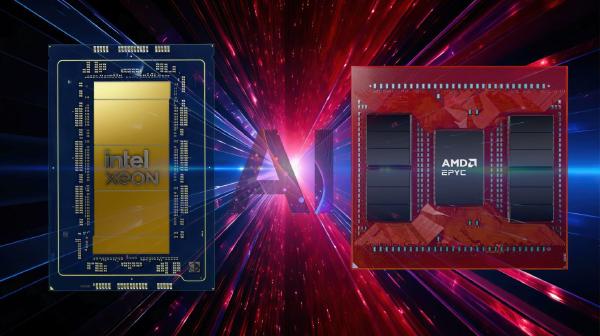
Intel’s upcoming Nova Lake-S desktop CPUs are poised to make a significant impact in the CPU market, particularly with their advanced integrated graphics capabilities. As first reported by Wccftech, the Nova Lake family, which includes the Core Ultra 400S series, will feature a robust 12Xe3P integrated GPU that can consume up to 40 watts solely for graphics processing. This move positions Intel to better compete against AMD’s Ryzen APUs, which have been gaining traction in the performance segment.
The Nova Lake-S CPUs are expected to showcase a power level of 154 watts for PL2, indicating that these chips are designed for rigorous computing tasks, including gaming and content creation. The 16-core configuration promises not only high performance but also noteworthy efficiency, enabling users to tackle demanding applications without the need for a dedicated GPU.
Intel has committed to enhancing the integrated graphics experience with the 12Xe3P variant. Unlike previous iterations, which often required users to opt for discrete GPUs for optimal performance, the new iGPU aims to deliver a satisfactory experience for casual gamers and creative professionals alike. The presence of 12 execution units marks a step up in graphical capabilities, allowing for better frame rates and improved rendering times in many popular titles.
In the mobile and edge configurations, the CPU will feature a reduced version with only eight Efficient cores. This variety allows Intel to cater to different market segments, from high-performance desktop users to more power-conscious mobile devices. The overarching goal is clear: to reclaim market share against AMD, which has seen significant success with its Ryzen series that often incorporates competitive integrated graphics.
As Intel prepares to roll out the Nova Lake CPUs, these advancements signal a strategic shift within the company, focusing on integrated solutions that meet the needs of modern users. The gaming landscape is evolving, and Intel’s response to AMD’s integrated graphics solutions is an attempt to regain its foothold in this competitive space.
The detailed architecture of the Nova Lake series is still under wraps, but with the focus on power efficiency and performance, it is likely that these CPUs will support advanced technologies such as Ray Tracing and AI-based enhancements. This could result in a more immersive gaming experience, even for those who might not invest in high-end discrete graphics cards.
Performance benchmarks for Nova Lake-S CPUs are eagerly anticipated as they approach release. Enthusiasts will be keen to see how these chips compare to existing AMD offerings as well as previous Intel generations. With the right execution, Intel’s Nova Lake could redefine the expectations for integrated graphics in desktop CPUs.
Intel is known for its innovation in chip technology, and the Nova Lake series represents a strategic effort to enhance both CPU and GPU performance on a single chip. This could appeal to a wide range of users, from casual gamers to professionals seeking a balance of performance and efficiency in their computing solutions.
As the launch date approaches, all eyes will be on Intel to see if its Nova Lake-S CPUs can indeed deliver the promised performance and efficiency, setting a new standard in the CPU market.
Image credit: Wccftech
This article was generated with AI assistance and reviewed for accuracy.