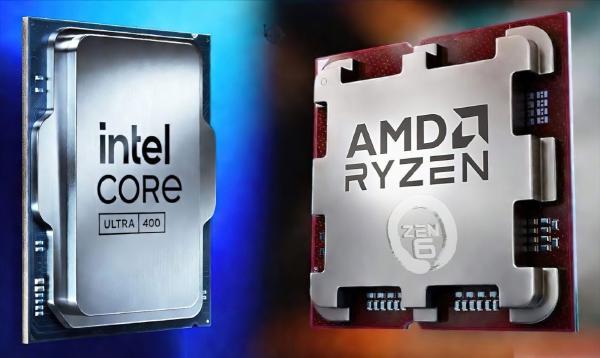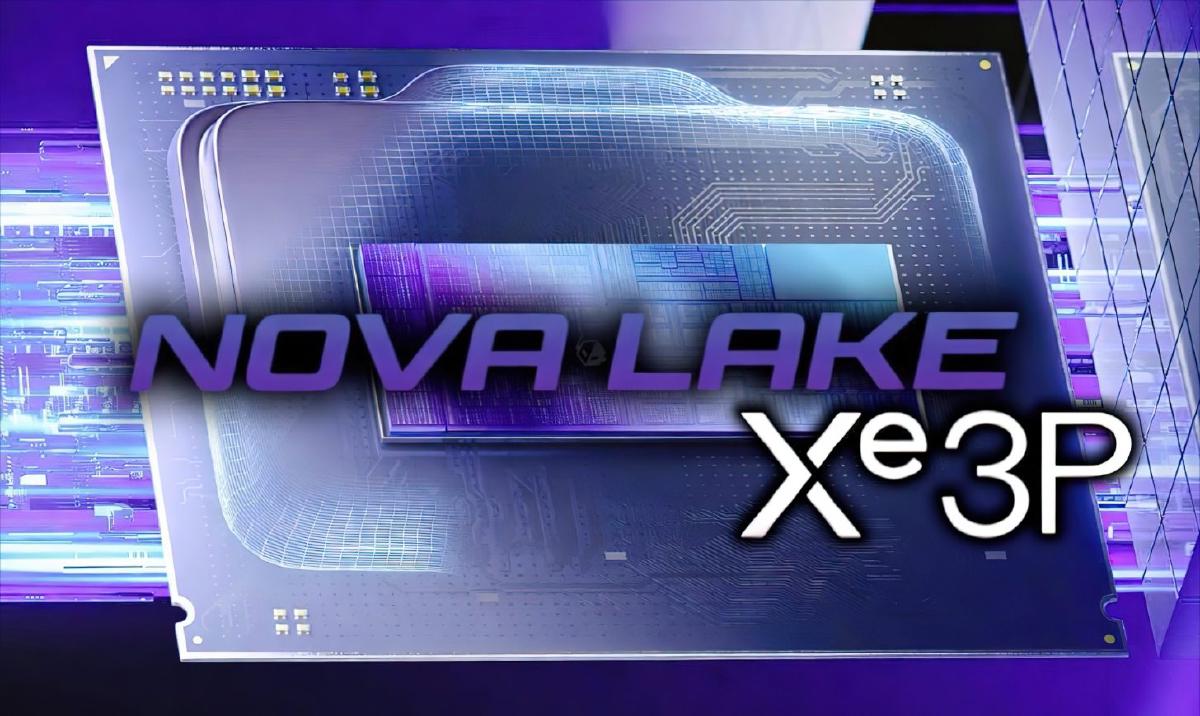
Intel is gearing up for a significant push into the desktop CPU market with its upcoming Nova Lake line, reportedly incorporating a powerful integrated graphics solution. As first reported by Wccftech, this move aims to counter AMD’s stronghold with its Ryzen APUs, which have garnered a loyal following thanks to their impressive performance.
The Nova Lake CPUs are rumored to blend both the Xe3 and Xe3P graphics architectures. The Xe3 architecture is expected to power the integrated graphics unit, while the Xe3P will likely enhance the media and display engine components. This dual-architecture approach suggests that Intel is focusing on both raw graphical performance and media capabilities, potentially offering a well-rounded solution for gamers and creators alike.
In addition to the desktop variants, Intel plans to roll out certain laptop editions that will utilize the full Xe3P architecture for both graphics processing and media handling. This could mean that users looking for mobile options will also experience a significant boost in performance, further closing the gap between Intel and AMD in both desktop and portable gaming markets.
Intel’s decision to ramp up its integrated graphics capabilities comes at a crucial time, as AMD has established itself as the go-to choice for many gamers and PC builders who prioritize balanced performance and value. With Nova Lake, Intel appears to be preparing a serious contender that could redefine expectations for integrated graphics.
The Nova Lake series is anticipated to offer powerful performance not just for gaming, but also for content creation, streaming, and multitasking. Gamers especially will be keeping a close eye on how these chips perform against their AMD counterparts, particularly in scenarios where discrete graphics cards might not be an option.
As the competitive landscape evolves, it’s exciting to see Intel make strides to reclaim some ground in the APU market. The integration of advanced graphics technology within their CPUs could entice users who are looking for a powerful all-in-one solution without the need for additional hardware.
Intel has a storied history in the CPU market, and with the Nova Lake series, it seems poised to continue that legacy. With AMD’s Ryzen APUs dominating discussions around high-performance computing, Intel must ensure that Nova Lake not only meets expectations but exceeds them to win back the hearts of gamers, creators, and tech enthusiasts.
As we await more details on the specifications and release dates for the Nova Lake CPUs, anticipation continues to build. Will Intel successfully challenge AMD’s reign, or will it need to rethink its strategy once again? For now, gamers and PC builders have much to look forward to as the battle of the processors heats up.
Intel, founded in 1968, is a leading technology company renowned for its innovations in semiconductor manufacturing. The company’s commitment to pushing performance boundaries continues to drive its development of cutting-edge CPUs and graphics technologies.
Image credit: Wccftech
This article was generated with AI assistance and reviewed for accuracy.