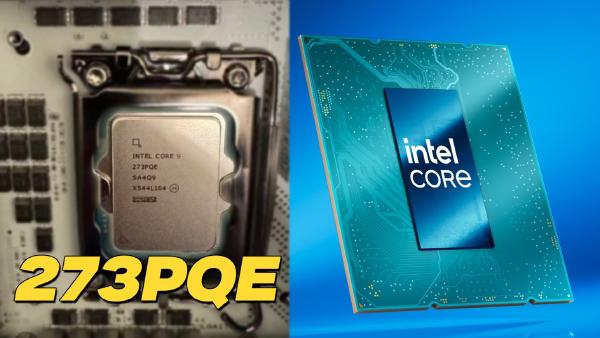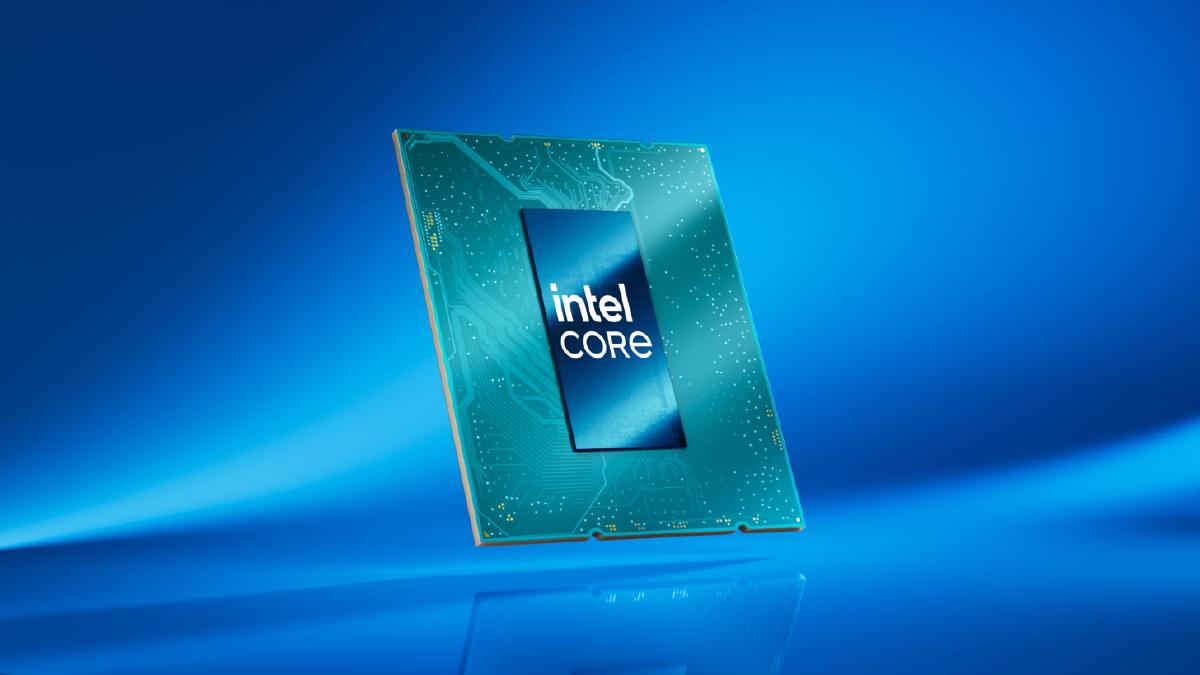
Intel’s latest flagship CPU, the 12-core Bartlett Lake, has underperformed in gaming benchmarks when compared to its predecessor, the four-year-old Core i9-13900K. As first reported by Wccftech, recent tests conducted by PC Games Hardware reveal that despite having more performance cores, the Bartlett Lake CPU does not deliver a significant improvement in gaming performance over the established i9-13900K.
The testing process evaluated the Core 9 273PQE, which features 12 performance cores (P-cores) alongside additional efficiency cores. Results indicated that the new CPU was unable to differentiate itself significantly from the older 8 P-core and 16 efficiency core configuration of the i9-13900K. In fact, the performance metrics showed that both CPUs frequently ended up in a dead heat across various gaming scenarios.
Given the lack of advancement in gaming performance, the decision not to release a dedicated 10 or 12-P-core only model seems logical. The results suggest that the incremental performance upgrades that the Bartlett Lake architecture was expected to bring to gaming are not materializing. This raises questions about Intel’s strategy moving forward, especially in the competitive landscape of high-performance CPUs.
Several factors could explain this stagnation in gaming performance. For one, the Raptor Lake and Raptor Lake Refresh architectures were optimized for gaming tasks, providing a well-balanced combination of cores that may still outperform newer designs in specific scenarios. Additionally, many modern games are not designed to exploit the full capabilities of a 12-core CPU effectively, which means that simply increasing core count may not translate into better results in real-world applications.
Benchmarking tools used in these tests assess various gaming titles across different resolutions and settings. The results pointed to a consistent trend, where the i9-13900K continued to hold its ground against the newer Bartlett Lake CPU. This is a notable development, as such performance parity in a product released almost four years later could raise concerns for Intel regarding its innovation trajectory.
Intel’s engineering team will need to reevaluate its approach, particularly if it aims to capture the gamer segment effectively. The benchmarks suggest that while the technical specifications include more cores, they do not necessarily correlate to improved gaming experiences. Users invested in gaming performance might find themselves better served by the older i9-13900K unless Intel can showcase substantial advancements in future iterations.
As the CPU market continues to evolve, AMD remains a formidable competitor with its own lineup of high-performance processors, further intensifying the pressure on Intel to adapt and innovate. The delayed performance boost from the Bartlett Lake lineup has opened the door for AMD to capture a greater share of , which could have long-lasting impacts on Intel’s strategic positioning.
For now, gamers and PC enthusiasts will watch closely for Intel’s next steps. The tech giant must reassess its core architecture and performance focus if it hopes to reclaim the top spot in gaming benchmarks and avoid falling further behind in an increasingly aggressive market.
Intel, a pioneer in the CPU market, has been a key player in the evolution of processor technology. The company’s upcoming releases will be critical in determining its future success against competitive forces.
Image credit: Wccftech
This article was generated with AI assistance and reviewed for accuracy.