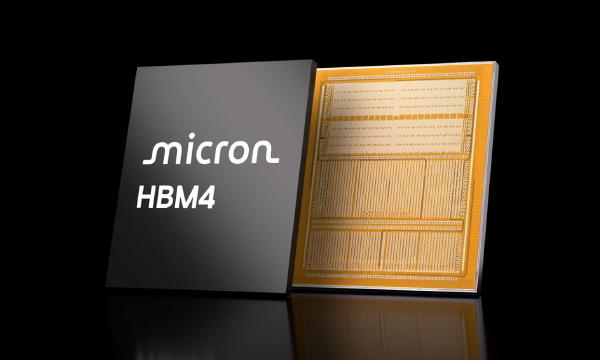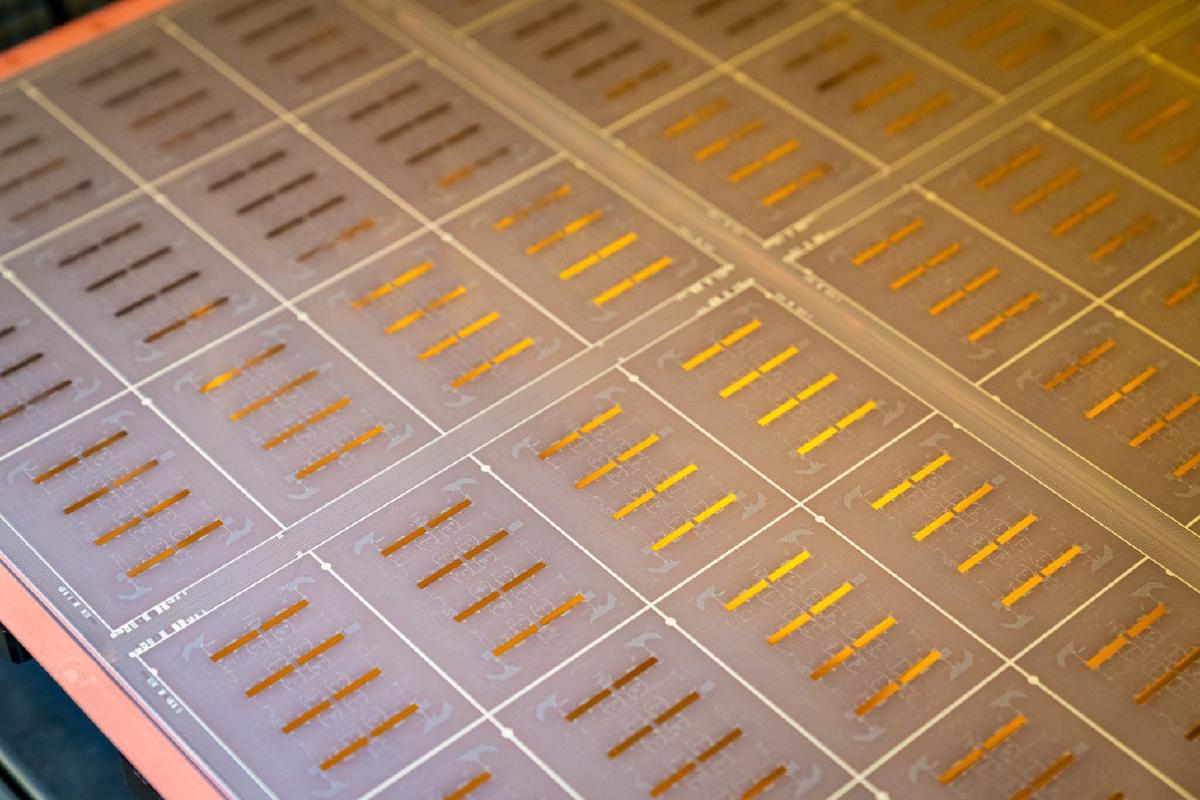
Intel showcased its innovative EMIB-T packaging solution at the Electronic Components and Technology Conference (ECTC 2026). This advanced technology aims to overcome existing limitations in AI and high-performance computing (HPC) sectors, positioning itself as a critical player in the evolving landscape of chip manufacturing. As first reported by Wccftech, EMIB-T enables the creation of ultra-large die complexes, achieving over ten times the capacity of traditional reticle dies and supporting data rates exceeding 12 Gb/s with HBM4e DRAM.
At the conference, Intel highlighted the pressing need for advanced packaging technologies to address the increasing demand for high-performance chips. With the current semiconductor industry facing supply challenges, EMIB-T could provide a viable solution, enabling manufacturers to push the boundaries of what’s possible in chip design and integration.
The EMIB (Embedded Multi-Die Interconnect Bridge) technology itself is not new; however, the introduction of EMIB-T represents a significant advancement. It boasts a flexible architecture that allows for the integration of multiple chiplets, enhancing both performance and functionality. This flexibility is particularly beneficial for next-generation applications in AI and HPC, where large data sets and complex computations are the norms.
Intel’s EMIB-T is designed to facilitate seamless communication between various processing units, significantly reducing latency and increasing bandwidth. Its capability to utilize multiple dice in a single package not only leads to improved efficiency but also reduces the overall footprint of the chips, making it easier for manufacturers to meet the demands for smaller, more powerful devices.
The implications of EMIB-T extend across various sectors, including gaming, where high-performance processors are essential for delivering immersive experiences. As game developers continue to push the limits of graphics and gameplay mechanics, the need for more advanced and efficient computing solutions becomes paramount. With EMIB-T, Intel aims to set a new benchmark for what is achievable in both consumer and enterprise technology.
Intel’s ambitious presentation at ECTC 2026 underlines its commitment to leading the industry in advanced packaging solutions, particularly as competitors face constraints with existing technologies. By focusing on scalability and integration, the company appears poised to establish EMIB-T as an industry standard, helping developers and manufacturers alike to meet the burgeoning demand for advanced processing power.
As the gaming and AI sectors continue to evolve, Intel’s EMIB-T technology could influence the design and performance of next-generation hardware. By enabling chips to process more data faster and more efficiently, Intel is not just addressing current market demands but also paving the way for future advancements in technology.
Intel is a global leader in semiconductor manufacturing, known for pushing technological boundaries. With products that span from consumer CPUs to cutting-edge graphics hardware, the company is committed to innovation, particularly in AI and HPC realms. EMIB-T is the latest example of its efforts to redefine what’s possible in chip technology.
Image credit: Wccftech
This article was generated with AI assistance and reviewed for accuracy.