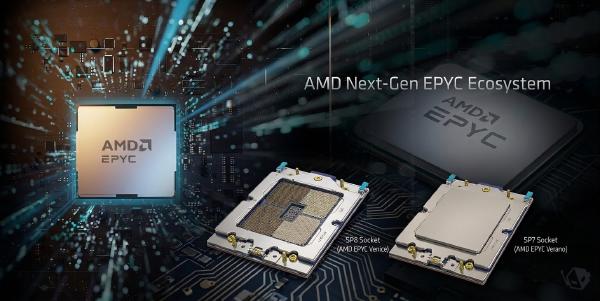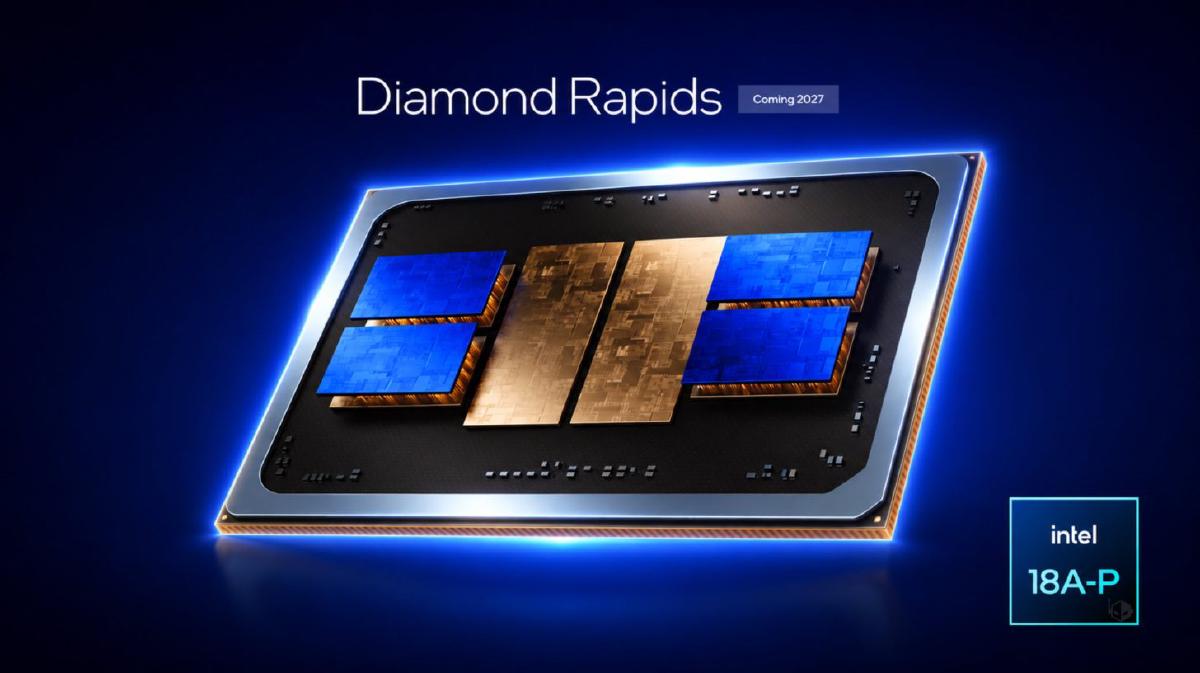
Intel is stepping up its game in the data center CPU arena with the forthcoming Diamond Rapids “Xeon 7,” which is designed to feature up to 256 performance cores. This latest offering is part of a strategic push to compete directly with AMD’s EPYC Venice line, which caters to the growing demand for high-core-count processors. As first reported by Wccftech, the launch of these new chips is scheduled for 2027, indicating a significant wait ahead for tech enthusiasts and data center operators alike.
The initial concept for Diamond Rapids was ambitious, with earlier plans suggesting variants that could potentially reach a staggering 384 or even 512 cores. However, the reality is shaping up to be more measured with the anticipated 256 cores providing a robust solution for enterprise-level tasks. This adjustment reflects Intel’s strategy to recalibrate its offerings in light of the competitive landscape dominated by AMD.
Intel’s Xeon CPUs have long been a staple in server environments, known for their performance and reliability. With Diamond Rapids, Intel aims to not only meet but exceed the demands placed on modern data centers, where workloads are increasingly parallel and require a higher number of cores to operate efficiently. The forthcoming Xeon 7 will leverage Intel’s next-gen P-Core technology, which is expected to enhance performance while maintaining energy efficiency , a crucial factor in large-scale deployments.
Despite the promising specifications of the Diamond Rapids, the timeline for its release raises questions. While the 2027 launch might seem distant, it offers Intel ample opportunity to refine its technology. This delay could also provide the company with the chance to incorporate feedback from early adoption of its current generation of processors, ensuring that the Diamond Rapids will be a competitive offering against AMD’s continually evolving EPYC series.
As AMD continues to innovate and expand its presence in the high-core-count segment, Intel faces a critical juncture. The rivalry between the two firms has intensified, with AMD making significant inroads into markets that were traditionally dominated by Intel. Consequently, the need for Intel to deliver a powerful and efficient solution with Diamond Rapids is more pressing than ever.
The Diamond Rapids “Xeon 7” is part of Intel’s larger strategy to reclaim leadership in the data center segment, where core count and performance are paramount. By setting its sights on the 256-core count, Intel is positioning itself as a contender in a space where performance per watt and scalability are critical.
In summary, while the Diamond Rapids may not fully embody the original vision of having 384 or 512 cores, its planned 256-core configuration is still a noteworthy advancement for Intel. As the tech landscape continues to evolve, the competition with AMD’s EPYC Venice will undoubtedly shape the future development of both companies. Enthusiasts and professionals alike will be keeping a close watch on how this narrative unfolds in the coming years.
Intel has a long history in CPU manufacturing, with its Xeon line being a cornerstone for data centers globally. The company continues to invest heavily in research and development to ensure it remains a key player in the ever-competitive tech industry.
Image credit: Wccftech
This article was generated with AI assistance and reviewed for accuracy.