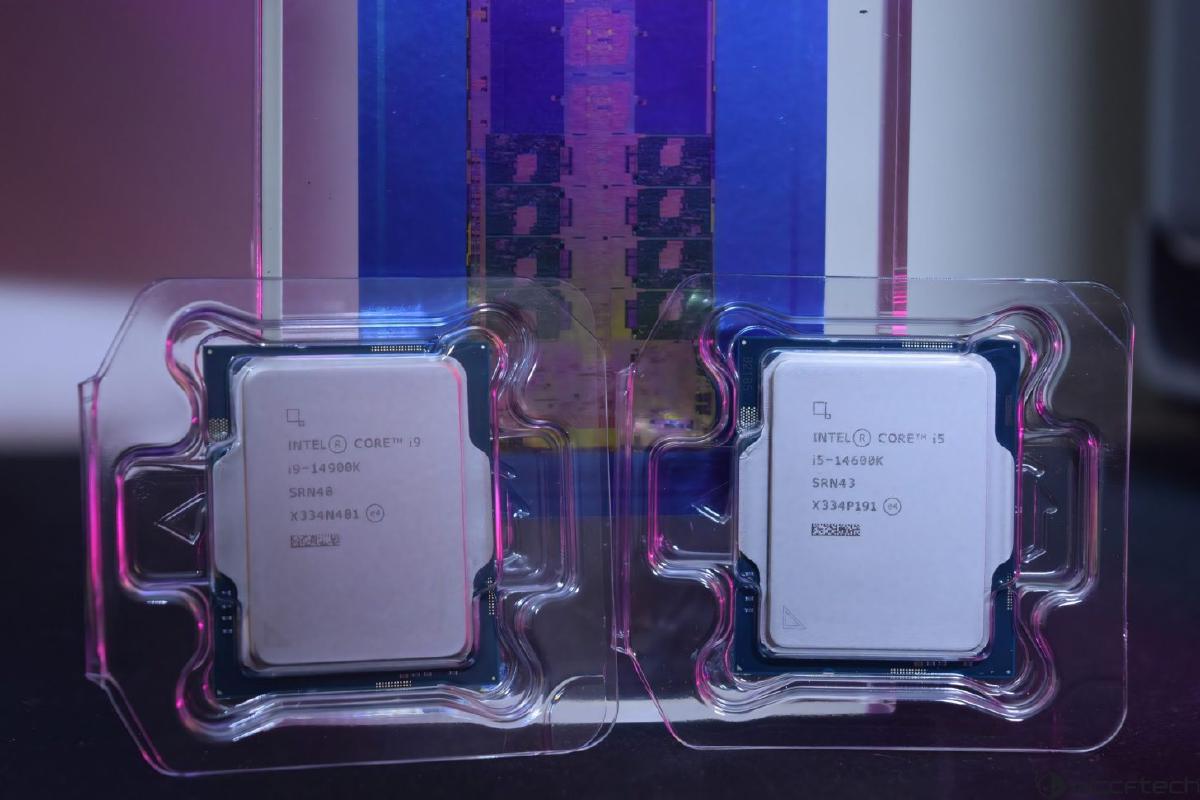
Intel is taking steps to ensure PC builders have access to its older Raptor Lake CPUs for the foreseeable future. As reported by Wccftech, this decision comes in response to the ongoing surge in DDR5 memory prices, which have made upgrading a challenging endeavor for many consumers.
The tech giant’s client division has recognized that the current landscape of rising component prices is pushing potential builders away from upgrades. With no immediate relief in sight regarding DDR5 pricing, Intel aims to keep Raptor Lake CPUs readily available. This strategy not only provides an alternative for those reluctant to invest in expensive memory but also reflects Intel’s commitment to supporting the PC building community.
The trend of rising component prices has been troubling for PC enthusiasts and casual builders alike. With every aspect of the hardware ecosystem feeling the pressure, both AMD and NVIDIA have also faced criticism for pricing strategies that cater more to high-end users rather than the average gamer. Intel’s move to maintain Raptor Lake availability highlights the company’s awareness of these challenges.
Raptor Lake was introduced to the market in late 2022, offering a range of performance options for gamers and productivity users. The CPUs were praised for their impressive multi-threaded capabilities, making them suitable for gaming, content creation, and other demanding tasks. However, as DDR5 memory continues to see inflated prices, Intel’s decision to extend the lifespan of Raptor Lake may provide a necessary lifeline for builders who are wary of recent costs.
While the market grapples with these price fluctuations, Intel is also actively working on the next generation of processors. By maintaining a connection to its older offerings, the company is demonstrating flexibility in its product strategy, aiming to cater to a wider audience during challenging economic times.
As the situation unfolds, Intel’s dedication to providing accessible options for PC builders will likely resonate well with fans. Many see the Raptor Lake CPUs as a viable, cost-effective solution to the current memory crisis. With so much uncertainty in the market, having reliable, established technology available could help bridge the gap until prices stabilize.
Ultimately, Intel’s decision to keep Raptor Lake CPUs on shelves is more than just a business move; it’s a message of support to the PC building community that they are not forgotten during these turbulent times. As consumers watch and wait for improvements in memory pricing, Intel’s efforts may provide a much-needed reprieve for those looking to upgrade their systems without breaking the bank.
Intel has been a long-standing leader in computer hardware, known for its innovative processors and market adaptability. Raptor Lake, part of their 13th-generation line-up, aimed to give gamers and creators a competitive edge with enhanced performance and efficiency.
Image credit: Wccftech
This article was generated with AI assistance and reviewed for accuracy.