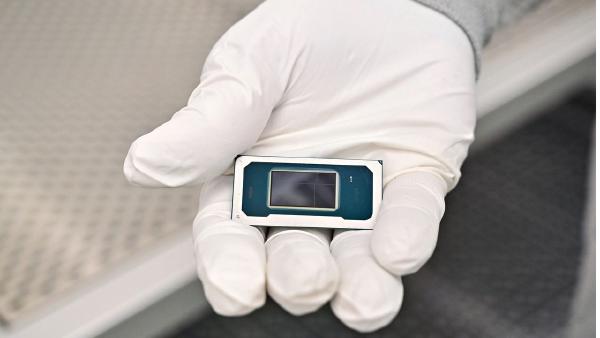
Recent developments suggest that a new era in handheld gaming PCs might be on the horizon with Intel’s Panther Lake processors. As first reported by PC Gamer, these upcoming chips could significantly enhance the performance of portable gaming devices, provided they can navigate the challenges posed by skyrocketing RAM prices.
Intel’s Panther Lake architecture is gaining attention for its potential to deliver powerful integrated graphics, which could be a game changer for smaller, indie developers looking to create visually stunning titles for handheld platforms. By incorporating advanced graphics capabilities directly into the CPU, developers may find it easier to optimize their games for a range of systems without needing to rely heavily on external GPUs.
The impact of these advancements is particularly relevant in an environment where many gamers are seeking high-quality experiences on the go. With the rise of titles that demand more processing power, having a reliable and performant CPU becomes essential. The Panther Lake chips, with their improved architecture, promise to provide that necessary horsepower, allowing for smoother gameplay and richer graphics in portable formats.
However, the looming question is whether the current surge in RAM prices will hinder the success of these devices. As the cost of components continues to rise, manufacturers may face difficulties in keeping prices competitive. If costs remain prohibitive, it could limit the accessibility of these new devices to a broader audience, effectively sidelining new entrants into the handheld market, particularly those from smaller studios.
In the current landscape, where indie games often push the boundaries of creativity and innovation, the potential for Intel’s Panther Lake to empower these developers cannot be overlooked. Games that leverage the capabilities of the Panther Lake chips could prove to be both visually impressive and performance-oriented, providing a unique selling point in a crowded market.
Additionally, Intel’s commitment to refining its technology aligns with a growing demand for devices that can provide an excellent gaming experience without breaking the bank. As handheld gaming continues to evolve, the success of Intel’s chips could also pave the way for new indie ventures, allowing smaller developers to bring their visions to life on a platform that supports cutting-edge graphics and seamless performance.
As the gaming industry watches closely, the intersection of cost, performance, and creativity remains vital for the future of handheld gaming. Developers and consumers alike will be eager to see how these new Intel chips perform in real-world scenarios, especially as they seek to balance innovation with affordability.
The excitement surrounding Panther Lake is palpable, and if Intel can navigate the challenges of component pricing, the landscape of handheld gaming may well undergo a significant transformation.
Intel has been a key player in the gaming industry for years, known for its processors that power not only PCs but also a range of gaming consoles and laptops. With the advent of the Panther Lake architecture, the company is positioning itself to further innovate within the realm of portable gaming devices, setting the stage for an influx of new gaming experiences in the near future.
Image credit: PC Gamer
This article was generated with AI assistance and reviewed for accuracy.