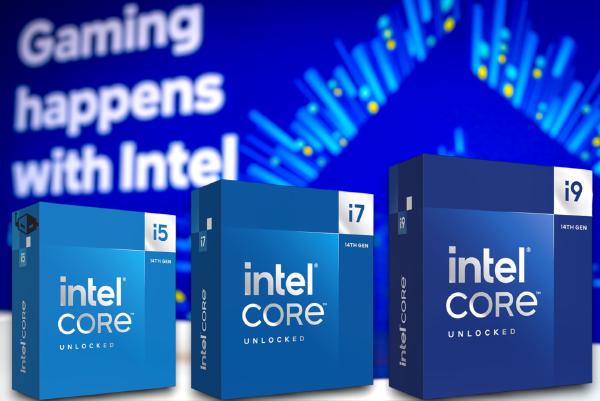
Intel is making strategic shifts in its desktop CPU ecosystem to enhance longevity and compatibility, as first reported by Wccftech. The company aims to align its CPU socket strategy with that of its competitor, AMD, offering users a more extended support experience across multiple generations of processors.
Recent insights from insider Jaykihn indicate that the new direction is part of a broader initiative within Intel’s client team, which is reportedly rethinking its desktop strategy. Robert Hallock, a key figure at Intel, has also hinted at this renewed focus on socket longevity and compatibility. This effort appears to acknowledge the concerns raised by consumers regarding obsolescence in the rapidly evolving CPU market.
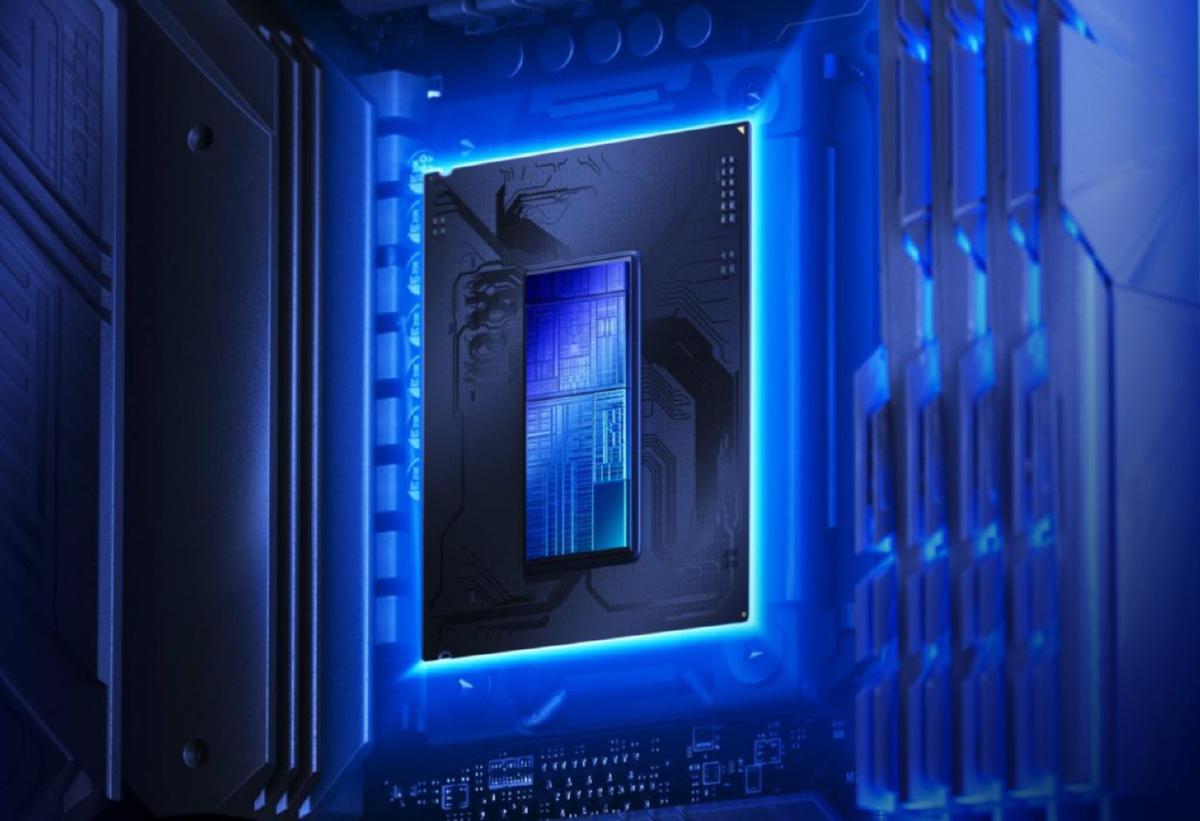
Currently, Intel’s LGA 1700 socket is the foundation for its 12th generation Alder Lake processors, and it is expected to be compatible with future generations of chips as well. The potential for socket longevity could extend the lifespan of motherboards significantly, similar to AMD’s AM4 socket, which has supported numerous generations of Ryzen processors.
In addition to committing to socket longevity, Intel is also reportedly planning a refresh for its Raptor Lake series, maintaining the LGA 1700 socket architecture. This refresh could allow users to upgrade their CPUs without needing to replace their entire motherboard. Such an approach is likely to appeal to builders and gamers alike, who tend to seek the best performance without incurring the additional costs associated with upgrading multiple components.
The move to enhance socket support may be Intel’s response to the increasing competition from AMD, which has gained a significant foothold in the desktop and gaming markets with its Ryzen processors. AMD’s strategy of providing backward compatibility has been a major selling point, allowing users to upgrade their CPUs without the need for new motherboards, thus making it a more cost-effective option.
Intel’s new approach reflects a growing understanding of consumer needs in the desktop market. By offering multiple generations of CPU support on existing sockets, Intel could potentially reduce the frequency of costly upgrades for users, creating a more sustainable ecosystem for PC gaming and productivity.
The Raptor Lake refresh is expected to retain the same socket layout as its predecessors, allowing for seamless transitions for users looking to upgrade their CPUs. This could enable Intel to regain some market share lost to AMD by offering a more attractive upgrade path and addressing consumer concerns over product lifecycles.
As Intel continues to evolve its strategy, the focus on socket longevity and performance optimization marks a vital step in its quest to remain competitive in the desktop CPU market. With conflicting signals from the industry, this shift may help Intel re-establish its footing and better serve its user base.
Intel, a leading name in semiconductor manufacturing, has been a significant player in the CPU market for decades. The company has faced increased competition from AMD in recent years, particularly in terms of performance and value in the desktop and gaming segments. As it adapts its strategies, Intel aims to enhance its offerings and maintain relevance in a fast-paced technology landscape.
Image credit: Wccftech
This article was generated with AI assistance and reviewed for accuracy.